Online shopping cashback can return a small share of money spent on purchases you already planned. The benefit is simple, although tracking rules and withdrawal conditions deserve a closer look.
For shoppers comparing household essentials, clothing, travel, or electronics, these rewards may reduce the final cost. They work best alongside sensible budgeting, rather than as a reason to buy more.
This guide explains how cashback works, which conditions affect payment, and how to compare options across countries. The aim is a repeatable savings habit, not a promise of effortless income.
What Is Online Shopping Cashback?
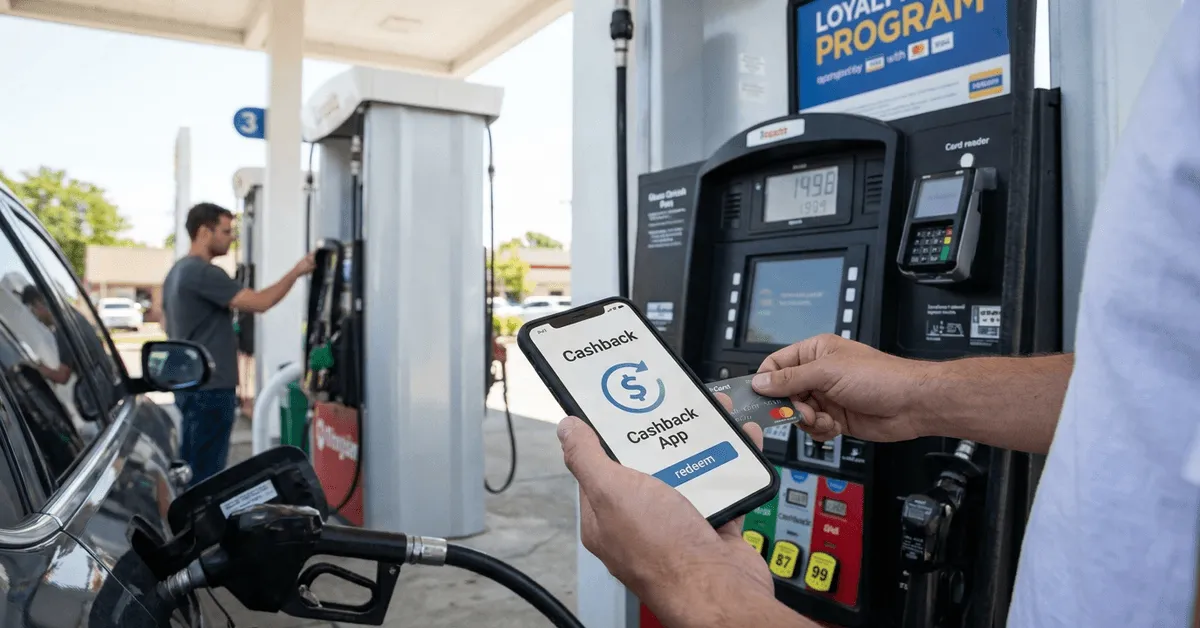
Cashback is a reward linked to an eligible purchase. Depending on the arrangement, it may arrive as money in a rewards account, a bank credit, a card statement credit, or another redemption option.
Many cashback websites operate through affiliate marketing . A retailer pays the service for referring a qualifying sale, and the service shares part of that commission with the shopper as a reward.
Other programs come directly from banks, payment providers, or retailers. Their funding and conditions differ, so similar-looking cashback offers do not necessarily follow the same approval process.
Cashback, Discounts, and Points Are Different
A discount usually lowers the amount charged immediately. Cashback generally arrives later, while loyalty points have a value determined by the program and the redemption options available to members.
That difference matters when money is tight. A pending cashback balance cannot cover today's bill, and points advertised as valuable may offer less flexibility than an ordinary cash payment.
How to Earn Cashback When Shopping Online
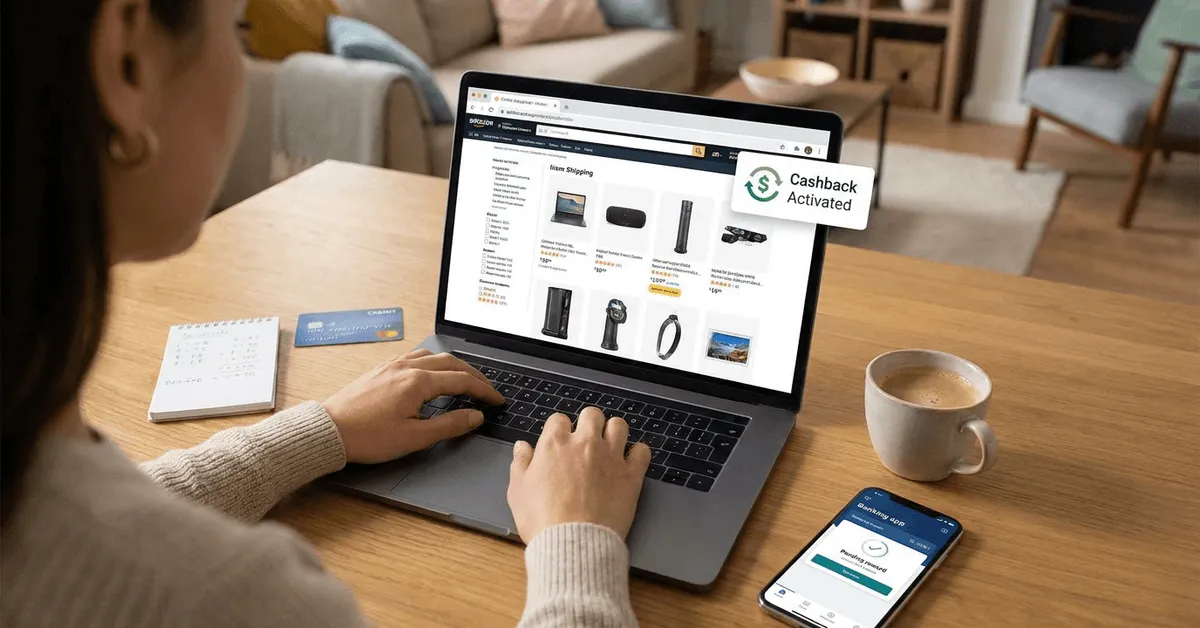
The usual process begins with a participating retailer listed inside a cashback website or app. The shopper activates the offer, follows the tracked shopping link, and completes an eligible purchase.
The transaction may then appear as pending while the retailer checks payment, eligibility, and possible returns. Approval can take weeks or months, especially for travel bookings completed much later.
Once approved, rewards become payable under the program's withdrawal rules. A minimum balance, identity check, supported payout account, or scheduled payment date may affect when money actually arrives.
- Offer review: The listed rate, eligible categories, exclusions, and expiry date establish what the purchase could earn.
- Activation: A shopping portal, browser extension, bank app, or retailer account records the offer before checkout.
- Purchase: The order follows the stated conditions, including any restrictions on discount codes or payment methods.
- Validation: The merchant confirms the qualifying amount after checking cancellations, returns, and other adjustments.
- Redemption: Approved rewards become available through the payout methods supported in the shopper's country.
Which Cashback Options Are Worth Comparing?
There is no single best cashback app for everyone. A useful choice depends on local availability, the shops you already use, payout flexibility, and whether the program adds fees or extra spending.
Shopping portals are only one route. Bank offers, credit card rewards, and retailer programs can also reduce costs, but their conditions differ enough that comparing the headline percentage alone is risky.
| Option | How rewards are earned | Main consideration |
|---|---|---|
| Cashback website or app | Eligible purchases through tracked retailer links | Merchant exclusions, tracking reliability, and payout thresholds |
| Cashback credit card | Qualifying card spending under the issuer's terms | Interest, annual fees, reward caps, and local eligibility |
| Bank-linked offer | Activated offers paid with an eligible card or account | Activation deadlines, spending requirements, and participating merchants |
| Retailer rewards program | Purchases associated with a store membership | Whether rewards are cash, restricted credit, or expiring points |
Credit Card Cashback Needs a Separate Calculation
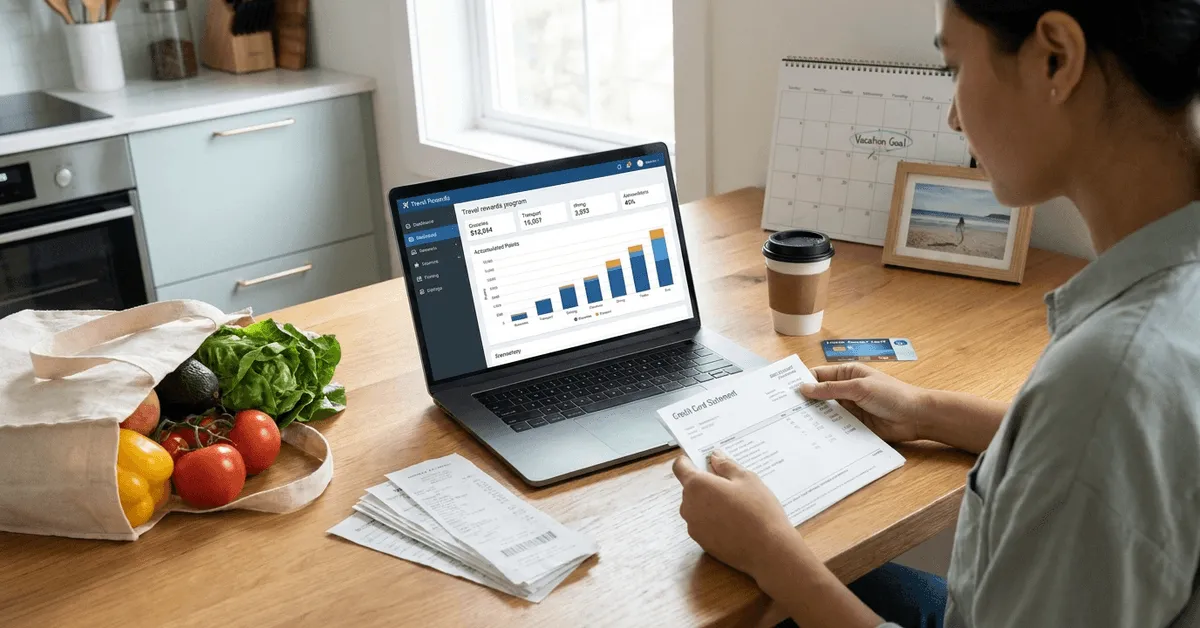
A rewards card can appear attractive, but interest and fees may outweigh everything earned. For someone carrying a balance, reducing borrowing costs will often matter more than collecting another reward.
Card applications may involve credit checks, income requirements, and country-specific rules. A cashback shopping account and a credit application are different products, even when both advertise rewards.
How to Calculate Your Real Cashback Savings
A large percentage does not always produce the cheapest purchase. The more useful comparison is the final cost after delivery, mandatory charges, available discounts, and cashback that actually qualifies.
Suppose a product costs $100 and delivery adds $8. If a 5% cashback offer applies only to the product price, the potential reward is $5, making the effective cost $103 after successful payment.
If another retailer sells the same item for $99 with free delivery, that second offer is still cheaper. Cashback is one part of the calculation, not evidence that a particular store offers better value.
Taxes, shipping, gift cards, and selected product categories may be excluded from the reward calculation. The amount shown at checkout can therefore differ from the amount used to calculate cashback.
Effective cost = total paid minus confirmed cashback and usable discounts. Pending rewards are better treated as uncertain until approval, particularly when comparing expensive purchases or bookings.
Choosing Cashback Programs for Your Country
A worldwide audience faces a practical complication: cashback services are often regional. A familiar brand may operate separate country websites with different retailers, currencies, and membership rules.
Local eligibility deserves attention before registration. Some programs require residency, a supported phone number, or a domestic payment account, even when the website itself is accessible from abroad.
Cross-border shopping adds another layer. Currency conversion fees, import duties, delivery charges, and return postage can outweigh rewards, especially when a foreign retailer advertises a tempting rate.
Payout Methods Can Change the Value
A cash withdrawal is not identical to a store voucher, even when both show the same face value. A voucher has less practical value if it encourages a purchase you would not otherwise have made.
Minimum withdrawal amounts also matter. A generous rate is less useful when your normal shopping habits produce a balance too small to redeem, or when inactivity rules eventually reduce that balance.
- Country support: Membership and purchases are eligible where you live.
- Retailer coverage: Participating stores match your existing shopping habits.
- Withdrawal access: Available payment methods work with accounts you already use.
- Account costs: Fees, deductions, and inactivity conditions are clearly explained.
- Support quality: Missing-purchase claims have a documented process and deadline.
- Privacy choices: Tracking permissions and marketing settings are understandable.
Why Cashback Sometimes Fails to Track
Tracking connects the shopping visit with the eventual purchase. Cookies, browser settings, app switching, or competing referral links can interrupt that connection, even when the order itself succeeds.
An unapproved voucher code may also affect eligibility. Some merchants allow only codes displayed by the cashback service, while others exclude purchases involving particular promotions or employee discounts.
Reading the merchant's tracking instructions can reduce avoidable problems. Where permitted, completing the purchase in the same browser session may help preserve the intended referral connection.
Receipts Make Missing-Cashback Claims Easier
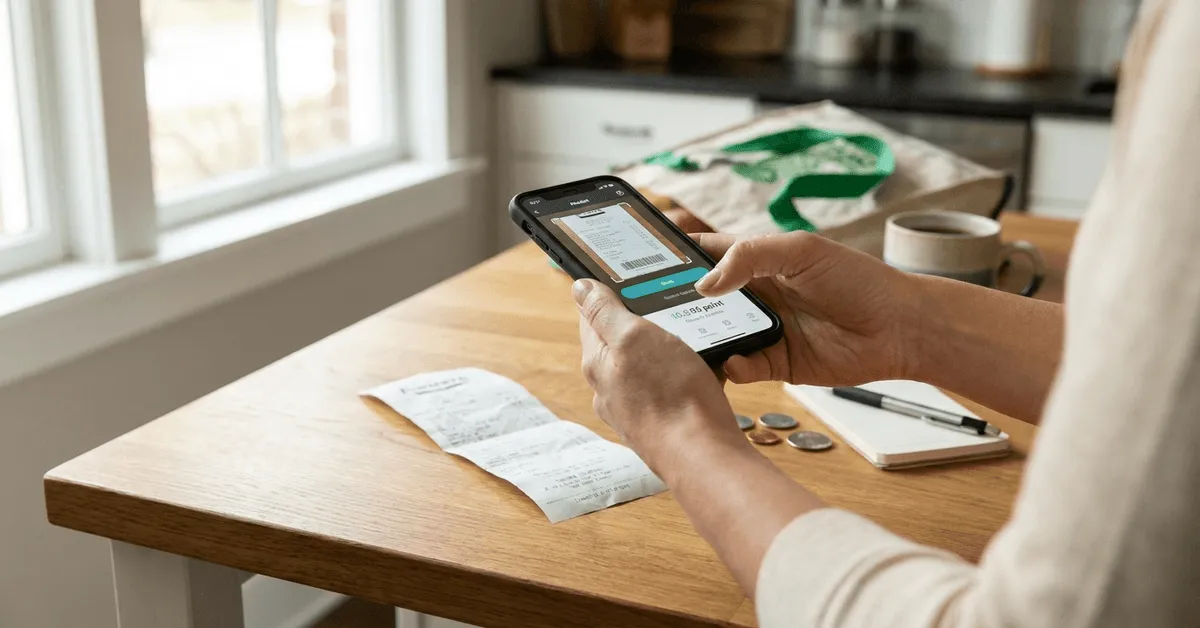
An order confirmation, purchase date, eligible subtotal, and offer record can support a missing-cashback claim. Claim windows vary, and some services require a waiting period before an enquiry is accepted.
Documentation does not guarantee payment. The retailer may still reject an ineligible transaction, but a clear record makes it easier to explain what happened and assess whether the response matches the terms.
Can Cashback Be Combined With Other Discounts?
Cashback stacking means combining compatible savings on one purchase. A retailer sale, an approved coupon, and an eligible payment reward may sometimes work together, depending on each program's rules.
The important word is compatible. Two shopping portals generally cannot both receive credit for the same referral, and activating another referral tool can replace the first service's tracking record.
Payment-card rewards may combine with portal cashback because they operate through different arrangements. Still, eligibility depends on the issuer, retailer, transaction type, and current offer conditions.
A cautious estimate is more useful than an optimistic total. When the terms do not clearly support combining offers, treating one reward as uncertain helps prevent an expensive purchasing decision.
Common Cashback Mistakes That Reduce Savings
The biggest mistake is spending extra to unlock a reward. Buying an unnecessary $40 item to earn $4 does not create a saving; it creates a $36 expense after the cashback is eventually received.
Temporary bonuses can create similar pressure. A welcome offer may require a qualifying purchase, a spending threshold, or completion within a short period, which may not suit your existing budget.
Returns are another common source of confusion. A cancelled or refunded purchase usually loses its associated cashback, and a partial return may reduce the reward rather than preserve the original amount.
Subscription purchases deserve particular care. A one-time reward may look appealing, but recurring charges can quickly exceed it if the service is unnecessary or cancellation conditions are inconvenient.
Cashback Safety, Privacy, and Tax Considerations
A legitimate shopping reward should have clear terms and an identifiable operator. Guaranteed-income claims, requests for gift-card payments, and fees supposedly required to release rewards are warning signs.
Official websites and trusted app-store listings are safer starting points than unexpected messages. A professional design alone does not establish legitimacy, and familiar logos can appear on imitation pages.
Browser extensions may request access to shopping activity or visited websites. Reviewing permissions, privacy policies, and available settings helps determine whether the convenience is worth the data involved.
Tax treatment depends on your location and how the reward was earned. Purchase-linked rebates, referral bonuses, business purchases, and promotional payments may receive different treatment under local rules.
Official Cashback Websites and Registration Options
For eligible shoppers considering registration, the official Rakuten U.S. cashback website provides access to its current joining process, retailer offers, and membership terms.
Another option for comparison is the official TopCashback U.S. website, where shoppers can review account registration, participating merchants, and the conditions attached to available offers.
These links lead to U.S. services, not universal enrollment options. Readers elsewhere may need a supported local service, and registration eligibility should be confirmed before personal information is shared.
For anyone ready to apply for a shopping rewards account, reviewing the official terms first is a sensible next step. Neither registration nor an advertised offer guarantees eligibility or a particular payout.
Conclusion: Cashback Works Best When Spending Comes First
The strongest cashback strategy starts with a purchase that already makes sense. A competitive price, a suitable product, and affordable payment terms matter more than the percentage beside a rewards offer.
From there, the process becomes manageable: a suitable local program, a qualifying transaction, clear records, and realistic payout expectations. Small rewards can accumulate without taking over your shopping decisions.
Online shopping cashback is a cost-saving tool, not extra spending money or guaranteed income. Used selectively, it can lower the cost of everyday purchases while leaving your budget firmly in control.