Free grocery samples can introduce new foods without the commitment of buying a full package. They can also reduce small household expenses, although availability is rarely predictable.
This guide is for shoppers who want to understand food sampling without confusing genuine opportunities with subscriptions or misleading offers. The focus is on eligibility, safety, and real costs.
Sampling works differently across countries, retailers, and brands. Understanding those differences makes it easier to judge whether an offer provides useful value or simply creates another expense.
What Free Grocery Samples Actually Include
A grocery sample is usually a small quantity of food provided to introduce a product or collect feedback. Common examples include cereal portions, snack bars, tea sachets, sauces, and drink mixes.
Some campaigns distribute full-size products rather than miniature packs. These are often part of product testing programs, where selected participants share their opinions after trying an item.
The word free can describe several different arrangements. A product might arrive without payment, require a coupon at checkout, or become free only after an approved purchase receives reimbursement.
These distinctions matter because the financial commitment changes. A mailed sample requires little spending, while a rebate may tie up money and depend on deadlines, stock availability, and claim approval.
Where Legitimate Free Food Samples Come From
Food manufacturers sometimes distribute samples through their own websites, newsletters, or promotional campaigns. The purpose is usually to introduce a launch, encourage trial, or gather consumer feedback.
Supermarkets also provide samples through tasting stations, loyalty programs, and selected online orders. Availability depends on the retailer, participating stores, supplier funding, and local regulations.
Independent testing communities connect brands with potential users. Membership may create access to applications, but joining a community does not mean that every member receives products or regular deliveries.
Food fairs and community events sometimes include complimentary tastings from producers. Admission, travel, or membership charges can still apply, so a free portion does not necessarily mean a free outing.
How Free Grocery Samples by Mail Usually Work
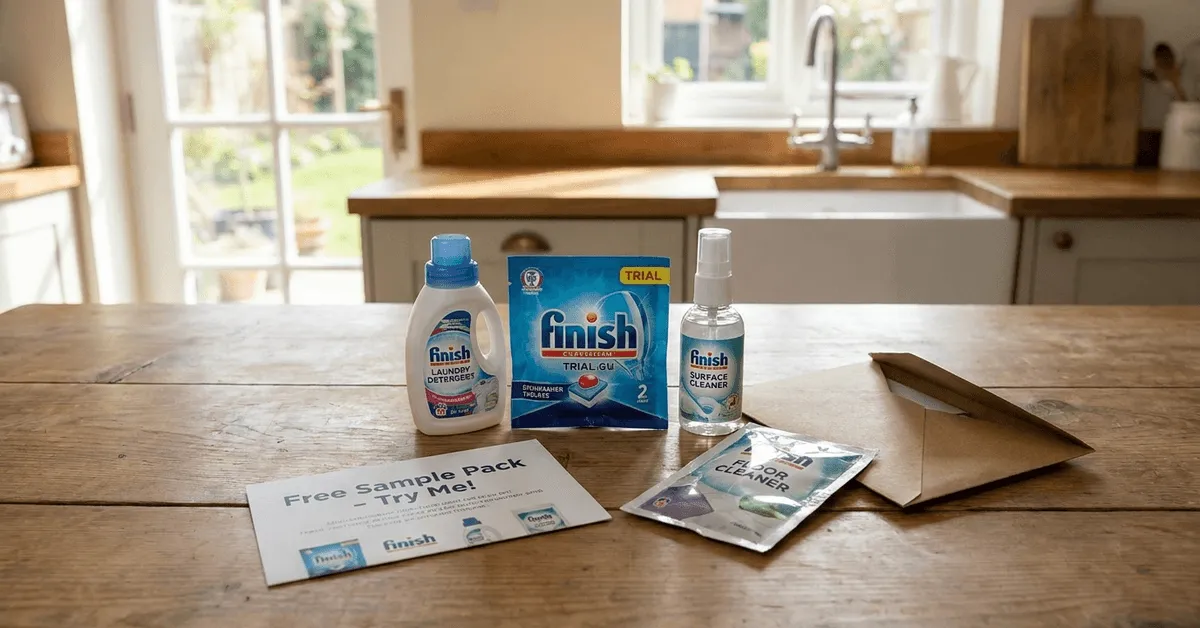
Free samples by mail usually begin with a registration form or a campaign application. Organizers may request an address and basic household details to determine eligibility and arrange fulfillment.
Brands often limit campaigns to specific countries, regions, or delivery areas. A website that accepts international visitors may still ship a particular sample only within one participating market.
Food shipping involves practical limits that cosmetics or stationery may not face. Temperature control, shelf life, customs restrictions, and ingredient rules can make cross-border delivery more complicated.
Delivery estimates are not guarantees, and limited stock can run out. A genuine campaign may close quickly or select only part of its applicant pool, even when an application was completed correctly.
How Grocery Product Testing Programs Select Participants
Grocery product testing generally matches people with a brand's research needs. Selection may depend on shopping habits, household size, location, dietary preferences, or previous product use.
A campaign for family breakfast cereal may need different testers from one for specialty coffee. Not being selected does not necessarily reflect the quality of an application or a participant's past feedback.
Selected testers may receive instructions, a survey, and a feedback deadline. The exact commitment varies, and some campaigns request photos or a review in addition to answers about taste and convenience.
Honest feedback is more useful than automatic praise. Where a public review is requested, the free product relationship may need disclosure under platform rules and applicable advertising or consumer laws.
What In-Store Food Sampling Can Offer
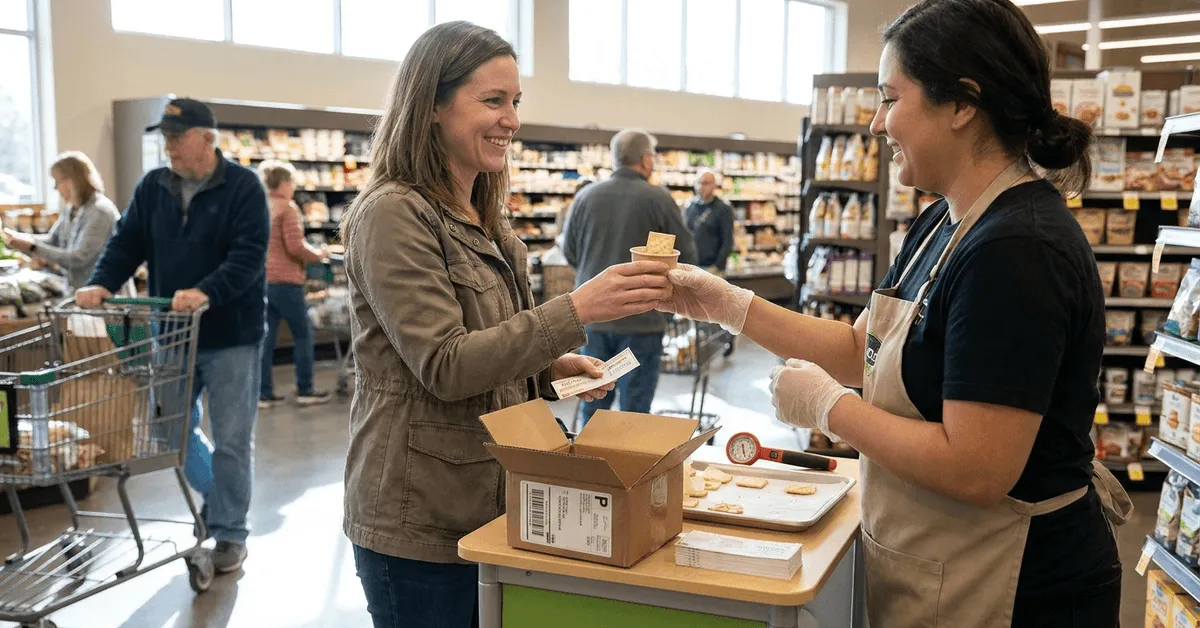
Supermarket tasting stations provide an immediate way to assess flavor, texture, or preparation style. They are especially useful for unfamiliar foods that might otherwise become an unwanted purchase.
A tasting portion is normally intended for immediate consumption, not as a replacement for a grocery shop. Availability can change by store, day, staffing level, promotional schedule, and remaining stock.
Warehouse clubs may offer frequent demonstrations, but access can depend on membership or visitor policies. A membership purchased only for samples is unlikely to make financial sense for most households.
Sampling counters also create sales opportunities for retailers. Enjoying a free bite creates no practical obligation to buy the item, and an attractive demonstration does not establish its everyday value.
When Coupons and Cashback Offers Make Food Free
Free grocery coupons sometimes cover the full price of a specified product. Others provide only a discount, include a maximum redemption value, or apply exclusively to a particular pack size.
Cashback offers work differently because the shopper usually pays first. Reimbursement may depend on a valid receipt, an eligible store, the correct barcode, and a claim submitted within the stated period.
An advertised full refund may not cover taxes, delivery charges, service fees, or substitutions. Minimum payout thresholds can also delay access to money that appears as a balance inside a rewards app.
Combining a coupon with cashback is not automatically permitted. Some offers exclude other discounts, while others calculate payment from the amount actually spent. The campaign terms determine the result.
Why Food Sample Availability Varies Worldwide
There is no single global source that consistently sends free food to everyone. Campaigns reflect local distribution networks, marketing budgets, consumer research priorities, and rules governing promotions.
In some markets, supermarket apps and loyalty accounts carry most digital offers. Elsewhere, manufacturer campaigns, tasting events, or locally operated testing communities may be more visible channels.
A familiar international brand may run entirely separate promotions in different countries. Eligibility for one national campaign does not transfer automatically to another version of the brand's website.
Imported samples can also involve customs restrictions or charges. Those costs may outweigh the value of a small food parcel, particularly when the sender does not explain responsibility for import clearance.
How to Apply for Food Product Testing
A typical application begins with a member profile and a short screening questionnaire. Accurate answers help organizers match products with suitable households and reduce unsuitable invitations.
Application forms may ask about grocery purchases, dietary habits, or who uses a product at home. These questions can serve a research purpose, but that does not make every request for information necessary.
Readers interested in applying can explore opportunities through the official Home Tester Club website and select their market. Campaign availability and selection depend on local program requirements.
Registration is not a guarantee of free groceries or a particular testing assignment. Available campaigns, participation rules, and feedback expectations are determined by the program and individual offer.
How to Recognize Hidden Costs and Misleading Offers
A small shipping charge changes the economics of a free sample. That fee may exceed the retail value of the food, especially when the package contains only a single serving or an unfamiliar product.
Some trial offers enroll participants in recurring deliveries. The initial item may be inexpensive, but later payments can make the arrangement unsuitable for someone seeking genuinely free food samples.
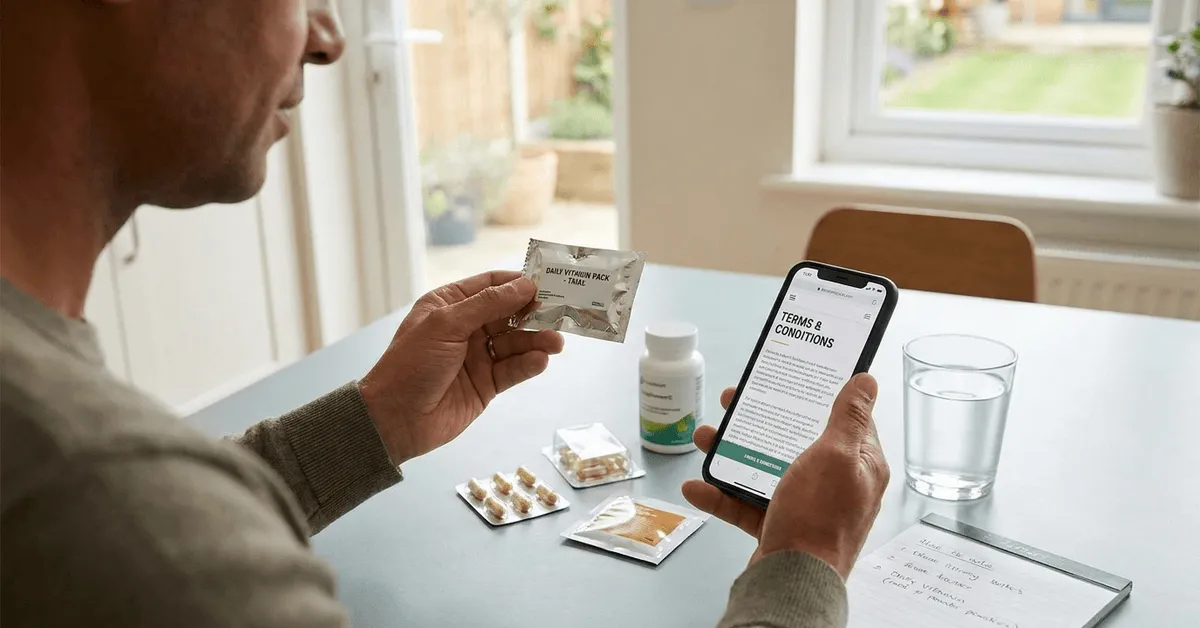
Warning signs include guaranteed selection, unexplained processing fees, pressure timers, and requests for gift cards. A professional design alone does not establish that a sampling website is trustworthy.
Legitimate opportunities have understandable terms and an identifiable organizer. Mandatory unrelated purchases or paid tasks mean the offer involves more than simply receiving a complimentary grocery product.
Personal Information and Privacy in Sampling Programs
Physical delivery normally requires a recipient name and address. That practical need is different from requesting bank credentials, identity documents, or unrelated sensitive details for a snack sample.
Registration can also involve marketing consent and research data. A privacy notice explains how an organizer describes its collection, sharing, retention, and deletion practices for participant information.
Optional newsletter subscriptions are not always the same as essential campaign messages. The distinction matters because a one-time sample request can otherwise lead to ongoing promotional emails or texts.
Online quizzes sometimes advertise a reward before revealing numerous partner offers. When the path becomes unclear or demands keep expanding, the original promise may no longer describe the actual arrangement.
Food Safety, Allergens, and Dietary Requirements
Food safety matters just as much for a free item as for a purchased one. Damaged seals, unexpected odors, unclear labeling, or poor temperature control can make a complimentary product unsuitable.
Ingredient lists and allergen statements vary across countries. A product with familiar branding may use a different recipe abroad, and a sample-sized package may provide information in a different format.
People with allergies or strict dietary requirements need reliable product information rather than assumptions based on a campaign title. Terms such as plant-based do not necessarily mean allergen-free.
Perishable deliveries require particular care because shipping delays can affect temperature. When safe handling cannot be established, the financial value of a sample does not justify a possible health risk.
What Free Samples Can Realistically Save
The most useful saving may be avoiding a full-size purchase that would go unused. A small trial can reveal an unsuitable flavor or texture before a household commits part of its regular grocery budget.
Samples are less useful when they encourage extra spending on delivery, memberships, or products nobody needs. Their value depends on what they replace, not simply on the price printed beside an offer.
Time is part of the calculation too. Lengthy applications and repeated screening questions can produce little return, especially when selection is uncertain and the eventual product has a low retail value.
Free products are also too unpredictable to replace reliable food support. Households facing food insecurity may find more consistent help through local food banks, community services, or public assistance.
Free Grocery Samples Are Most Valuable When the Terms Are Clear
Finding free grocery samples is less about chasing every offer and more about understanding the exchange. A useful opportunity has clear eligibility, manageable requirements, and no unexpected costs.
Brand campaigns, store tastings, and product testing can all provide genuine value. None guarantees a steady supply, and the strongest benefit is often discovering what suits a household before spending more.
The best outcome is simple: a suitable product, a transparent process, and no pressure to spend beyond its value. That is what separates a worthwhile food sample from an offer that merely sounds generous.