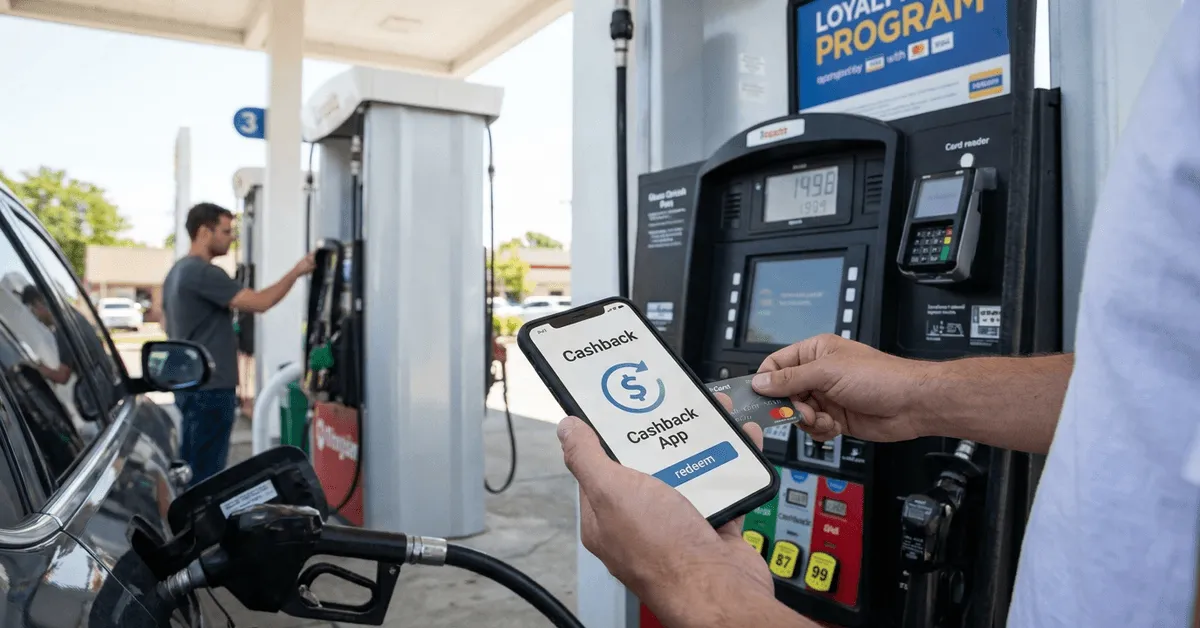
You do not need a suitcase by the door to build a useful travel rewards balance. Groceries, household bills, and occasional online purchases can sometimes contribute toward your next trip.
This guide is for occasional travelers who want to understand loyalty points without turning rewards into a second job. The aim is simple: lower future travel costs while protecting your everyday budget.
Learning how to earn travel rewards without traveling starts with a useful distinction. Rewards can support spending you already planned, but they rarely justify spending more than you otherwise would.

How Travel Rewards Work When You Rarely Travel
Travel rewards are points, miles, or credits offered through loyalty programs and financial products. Depending on the program, they may cover part of a flight, hotel stay, or another eligible expense.
Some rewards come directly from airlines or hotels. Others come from banks, shopping platforms, or cashback services that allow eligible balances to become travel savings or transfer to selected partners.
The important detail is that earning and traveling do not always happen together. A person might collect rewards through ordinary purchases for months before using them for one carefully planned holiday.
Travel Points, Airline Miles, and Cashback
Airline miles usually belong to a particular frequent flyer program, while hotel points belong to a hotel loyalty scheme. Their usefulness depends on available rewards, prices, partners, and restrictions.
Cashback works differently because its value is generally easier to understand. Cash saved toward a trip can be more flexible than points, especially when travel dates or destinations remain uncertain.
Choosing a Rewards Program That Fits Your Country
A generous offer on an overseas website may be irrelevant where you live. Card eligibility, shopping partners, transfer options, and consumer protections can differ substantially between countries.
A useful starting point is the travel you might realistically book. Nearby airports, preferred hotel locations, and common routes matter more than a large membership network you are unlikely to use.
For someone who travels once every year or two, simplicity often has real value. One suitable program with understandable rules may be more useful than several accounts holding small, scattered balances.
- Local availability: Membership and earning opportunities available in your country.
- Practical redemption: Flights or hotels that match likely travel plans.
- Manageable costs: Fees that do not outweigh realistic benefits.
- Clear rules: Understandable expiration, cancellation, and transfer conditions.
Earning Travel Rewards Through Everyday Spending
Everyday spending is often the most sustainable source of rewards because it already exists in your budget. Eligible groceries, transport, and household purchases can gradually build a useful balance.
Not every payment qualifies, however. Rent, taxes, insurance, utilities, and digital wallet transactions may earn differently, carry processing fees, or be excluded entirely under a particular product.
A small earning rate can still be worthwhile when there is no additional cost. The calculation changes quickly when a payment surcharge exceeds the likely value of the points that transaction generates.
Rewarding Existing Habits Rather Than Creating New Ones
The strongest approach is usually quite ordinary: rewards follow planned purchases rather than influence them. Buying an unnecessary item to collect points is still an extra expense, even during a promotion.
That distinction matters with category bonuses. A supermarket offer can help with an existing grocery budget, but a higher-priced store may erase the benefit before any travel rewards reach your account.
When a Travel Rewards Credit Card Makes Sense
A travel rewards credit card can generate points without frequent travel, where suitable products are available. It is not essential, and eligibility depends on local lending rules and personal circumstances.
Interest charges can quickly exceed the value of rewards. For anyone who expects to carry a balance, a lower-cost borrowing option or a non-credit rewards method will often be the more sensible comparison.
Annual fees also deserve attention. Airport lounge access or hotel benefits may sound appealing, but benefits that go unused have little practical value for someone who takes only an occasional trip.
Welcome Bonuses and Spending Requirements
Some cards offer introductory points after eligible spending within a defined period. These offers are useful only when the required purchases already fit the household budget and repayment is manageable.
Eligibility restrictions, excluded transactions, and previous account history can affect a bonus. Multiple applications may also affect credit assessments, depending on the country and its reporting system.
A comparison based on realistic annual spending is more informative than a headline bonus alone. Fees, foreign transaction charges, earning limits, and redemption options all influence the eventual outcome.
Shopping Portals Can Add Rewards to Planned Purchases
Some airline, hotel, and bank programs operate shopping portals that award rewards for purchases at participating retailers. Availability varies by country, and the same retailer may offer different rates.
These portals typically rely on tracked visits or activated offers to identify an eligible sale. Unapproved discount codes, returns, tracking settings, or excluded products can prevent rewards from posting.
The lowest final price remains the better benchmark. A purchase earning extra points is not necessarily a better deal than the same item sold elsewhere for less, particularly after delivery charges.
Combining Rewards Without Assuming Everything Stacks
A qualifying purchase may earn both a payment card reward and a shopping portal reward. However, combining offers is subject to separate terms, so advertised earning rates should not be treated as guaranteed.
Order confirmations and offer details can help if a qualifying reward goes missing. Posting may take weeks or longer, especially when merchants wait for a return period to end before approving a purchase.
Dining, Groceries, and Other Everyday Partners
Depending on your location, loyalty programs may partner with restaurants, supermarkets, fuel retailers, or transport services. These arrangements can make travel rewards accessible without booking a trip.
Some partner offers require account linking or registration before a purchase. Others operate through a separate retail currency that can later convert into airline miles or another eligible travel balance.
Conversion rates matter here. Keeping supermarket rewards as grocery savings may deliver more value than converting them into travel points, particularly when the conversion creates a small, unusable balance.
Restaurant rewards are best viewed as an occasional extra rather than a reason to dine out more often. A modest reward rarely offsets the difference between a planned meal at home and an additional restaurant bill.
Why Cashback Can Be a Better Travel Rewards Strategy
There is no rule that travel savings must come from airline miles. A straightforward cashback account or card can fund future transport and accommodation without depending on award availability.
This flexibility is especially helpful for travelers who prefer independent hotels, budget airlines, or destinations with limited loyalty coverage. Cash can also cover expenses that points programs exclude.
Some people find a separate travel savings account helpful because it makes small cashback amounts visible. The financial benefit still depends on account fees, access conditions, and any applicable local taxes.
| Rewards approach | Potential advantage | Main limitation |
|---|---|---|
| Airline miles | May suit a specific route or airline partnership | Award seats, surcharges, and changing prices |
| Hotel points | May reduce accommodation costs at participating properties | Property availability and variable redemption prices |
| Transferable bank points | May offer several eligible travel partners | Product eligibility, transfer rules, and fees |
| Cashback | Flexible savings for many travel expenses | May lack the occasional high-value points redemption |
Understanding the Real Value of Points and Miles
Travel points do not have one universal cash value. Their practical value depends on the booking you can actually make, including availability, required cash payments, and the fare you would otherwise choose.
Suppose a hotel night costs 120 units of your currency, or 15,000 points plus 20 in cash. The points replace 100 in spending, giving an approximate value of 0.0067 currency units per point for that booking.
This comparison is most useful when both options have similar cancellation terms and inclusions. A reward booking that excludes breakfast or carries stricter conditions may be less attractive than it first appears.
A luxury redemption can produce an impressive theoretical value, but that figure may not reflect genuine savings. The more relevant comparison is usually the reasonable alternative you would actually purchase.
Why Buying Points Requires Extra Caution
Programs sometimes sell points with promotional bonuses. Buying them speculatively can be risky because prices, availability, and program rules may change before you have a practical opportunity to redeem them.
A purchase is easier to evaluate when a specific reward is available and the total cost is known. Even then, purchased points may be nonrefundable, and availability can disappear before the transaction completes.
Managing Expiration, Transfers, and Changing Rules
Infrequent travelers face a particular challenge: earning slowly can leave rewards unused for a long time. Some programs expire balances after inactivity, while others use different deadlines or conditions.
Not every account action counts as qualifying activity. A login, transfer, purchase, or redemption may affect expiration differently, making the current program terms more reliable than general advice.
Transferable points can offer flexibility, but transfers are often irreversible. Partner availability, account name requirements, processing times, and conversion ratios can all affect whether a transfer works.
A simple record of balances, fees, and relevant dates can prevent avoidable losses. Occasional reviews also create an opportunity to notice program changes before they disrupt a future travel plan.
A Realistic Example for an Occasional Traveler
Imagine a household with 600 units of eligible monthly spending that earns rewards worth an estimated 1% when redeemed. Over a year, that produces roughly 72 units in value before fees or other costs.
If the rewards product costs 60 units annually, only 12 units remain before considering other benefits or charges. A fee-free cashback option could therefore be more useful, even with a less exciting headline.
Actual results depend on earning categories, exclusions, redemption choices, and local products. The example illustrates the calculation, not an expected return or a promise that any particular offer will deliver.
Keeping Rewards Accounts and Personal Information Safe
Rewards balances can attract account theft, and fake bonus messages may imitate familiar brands. Official websites and established apps are safer places to verify an offer than unexpected messages or advertisements.
Unique passwords and multifactor authentication, where available, help protect loyalty accounts. Requests for a password, verification code, or payment to release an unexpected reward deserve particular caution.
Account linking also involves a privacy trade-off. Shopping, dining, and payment partners may process transaction information, so the relevant privacy notices matter alongside the advertised earning opportunity.
Joining a Loyalty Program Without Booking a Trip
Many airline and hotel loyalty programs allow people to join before making a booking. Membership alone does not necessarily earn points, but it provides an account for future eligible activity and partner offers.
Hilton Honors is one example with free standard membership. Its usefulness depends on your likely destinations, participating properties, and locally available earning options rather than membership alone.
Readers who find the program relevant may apply for free membership through the official Hilton Honors enrollment page, subject to its current terms and eligibility requirements.
Conclusion: Meaningful Travel Savings Start With Ordinary Spending
You can earn travel rewards without traveling frequently, but the strongest strategy is usually modest. Existing purchases, sensible program choices, and manageable costs matter more than collecting points quickly.
For some households, the right answer will be airline miles or hotel points. For others, simple cashback will provide better value, fewer restrictions, and a clearer path toward paying for an occasional trip.
The real measure of success is not the size of a rewards balance. It is whether the approach reduces the cost of travel you genuinely want, without adding debt, unnecessary purchases, or avoidable complexity.