Getting free products for honest reviews can sound like an easy way to try useful things without paying retail prices. The reality is more selective, but legitimate opportunities do exist.
This guide is for curious shoppers, first-time product testers, and creators who want to understand the process. It explains eligibility, realistic expectations, disclosures, and common warning signs.
A large social media following is not always necessary. What matters more is matching a campaign, providing useful feedback, and understanding exactly what a company expects in exchange for its product.

How Free Products for Honest Reviews Actually Work
Brands sometimes distribute products to selected consumers before or during a marketing campaign. In return, participants may provide private feedback, complete surveys, or publish clearly disclosed reviews.
The arrangement is an exchange, even when no money changes hands. A company receives consumer insight or exposure, while a participant receives an item under the specific terms of that particular campaign.
Honest feedback is the essential condition. A legitimate testing opportunity should leave room for criticism, mixed experiences, and the possibility that a product simply does not suit its tester.
Product Testing, Gifted Reviews, and Samples Are Different
Not every free item comes with the same responsibilities. Understanding the difference between testing, sampling, and content creation makes it easier to judge whether an opportunity fits your interests.
| Opportunity | Typical exchange | Important limitation |
|---|---|---|
| Consumer product testing | Product use followed by surveys or detailed feedback | Public posting may be unnecessary or restricted |
| Gifted review campaign | A product provided for an independent review or social post | Disclosure and platform rules still apply |
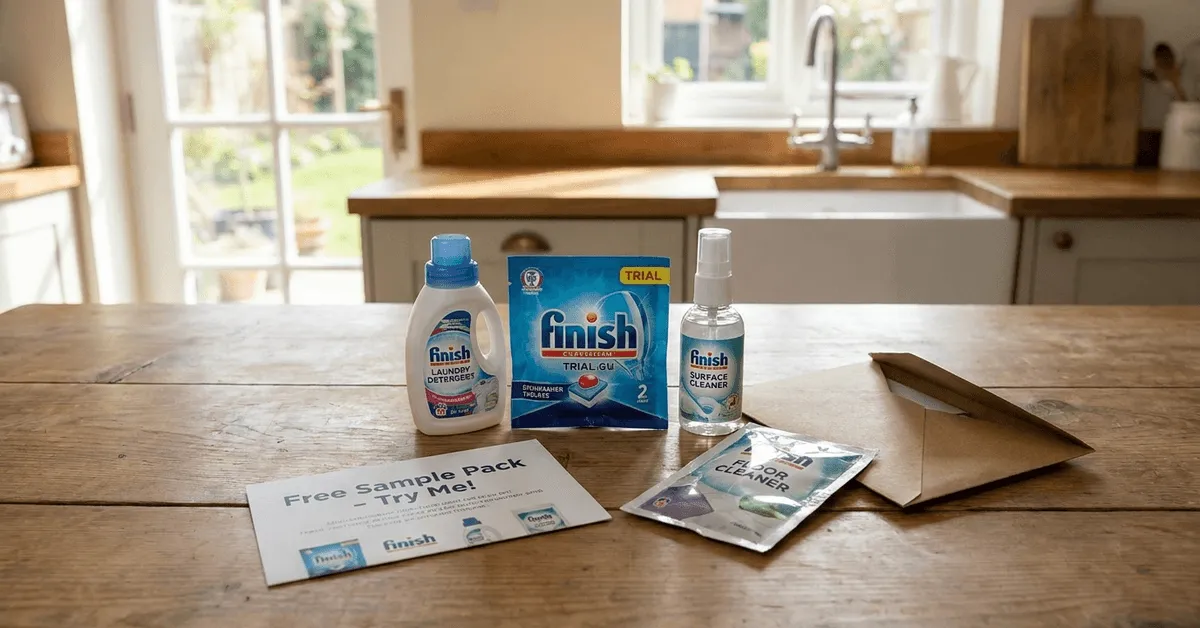
| Free sample offer | A small sample, sometimes followed by an optional survey | A review is not always required |
| Creator partnership | Agreed content deliverables in exchange for products or payment | Content usage rights and deadlines may apply |
| Prototype research | Structured testing of an unreleased item | Confidentiality or returning the item may be required |
A tiny skincare sachet and a full-size kitchen appliance are very different offers. The time commitment, practical value, and responsibilities can vary just as much as the products themselves do.
Some research programs lend equipment rather than give it away. Written campaign terms should explain whether ownership transfers, whether returns are required, and who covers any return shipping costs.
Who Can Become a Product Tester?
Many product testing programs recruit ordinary consumers rather than professional reviewers. Selection often depends on age, location, household needs, shopping habits, or experience with a category.
A campaign for pet supplies might need people who already care for a particular animal. A food trial may target certain dietary preferences, while a software test may require a compatible device.
Follower counts matter more when public exposure is part of the arrangement. For private consumer research, clear observations and reliable participation may be more relevant than an established audience.
Where Legitimate Product Review Opportunities Appear
Established Product Testing Communities
Communities such as BzzAgent and Influenster connect eligible members with selected brand campaigns. Joining does not guarantee a product, and availability depends on the platform, market, and campaign.
These services may use profiles and screening questions to identify suitable participants. A completed account can support matching, but it does not create an entitlement to samples or regular invitations.
Brand Research Panels and Consumer Studies
Some manufacturers operate their own research panels or work with consumer research agencies. Opportunities may appear on official brand websites, in customer newsletters, or through existing customer accounts.
Retailer testing programs are another category, although some accept participants only by invitation. Amazon Vine, for example, is invitation-only; nobody can legitimately sell a guaranteed place in it.
How Registration and Campaign Selection Usually Work
The process generally begins with an account and a profile describing relevant interests or household details. Some services also request connected social accounts when campaigns involve public content.
- Registration establishes basic eligibility, including supported location and minimum age.
- Profile questions help identify potentially relevant products and research categories.
- A campaign questionnaire checks whether the participant matches a particular study.
- An invitation explains the product, required activities, deadlines, and applicable conditions.
- Selected participants receive instructions and complete the agreed feedback process.
A screening questionnaire is not the same as an acceptance notice. Campaigns often need a narrow audience, and an unsuccessful application may simply mean the requested demographic is already represented.
Accurate answers matter more than answers that seem attractive to a brand. Misstating household details or product experience can produce unsuitable matches and may violate a program's participation rules.
What Makes an Honest Product Review Useful?
A useful review explains what happened during ordinary use, rather than repeating the packaging. Readers usually benefit from practical details about setup, comfort, performance, durability, or convenience.
Context makes an opinion more meaningful. A lightweight bag might work well for short errands but feel uncomfortable with heavier groceries; both observations can be true without making the review inconsistent.
Specific feedback is more helpful than automatic praise. Describing the testing period, relevant conditions, and any limitations gives readers a clearer basis for deciding whether an item suits them.
Observations Versus Claims
Personal experience does not establish a universal result. A reviewer can describe how a moisturizer felt on their skin, but that experience does not prove it treats a medical condition or works for everyone.
The same distinction applies to supplements, cleaning products, and electronics. Manufacturer claims and independent observations are different kinds of information, and neither should be presented as the other.
Disclosure Rules for Free Products and Reviews
Receiving a product can create a connection that readers need to understand. Where disclosure rules apply, the fact that no cash payment was involved does not automatically remove that responsibility.
In the United States, the FTC's disclosure guidance for social media influencers explains relevant principles.
Other countries have their own advertising and consumer protection requirements. A platform's disclosure tool may help, but whether it is sufficient depends on the content, placement, and applicable local rules.
Wording such as “I received this product free from the brand for testing” communicates the relationship directly. The disclosure belongs where people can readily notice it, not buried among unrelated hashtags.
Retailer Review Policies Still Apply
A brand's permission does not override a retailer's review policy. Some shopping platforms prohibit reviews connected to free products, reimbursements, discounts, or other incentives outside approved programs.
Amazon generally prohibits incentivized customer reviews outside its permitted arrangements, such as Vine. An offer to buy an item and receive reimbursement after reviewing it is a serious warning sign.
Disclosure alone does not make a prohibited review acceptable. The relevant question is both whether the relationship is transparent and whether the destination platform allows that type of review at all.
Worldwide Availability, Shipping, and Hidden Costs
Free product testing is not equally available worldwide. Programs may operate only in selected countries, and individual campaigns can have narrower shipping areas or local eligibility requirements.
International deliveries may involve import duties, local taxes, or handling charges. Even when the item itself costs nothing, those charges can make participation less useful than the headline suggests.
A campaign may also involve mobile data, travel, accessories, or return costs. Written terms matter because “free product” describes the item price, not necessarily every expense connected with participation.
How to Recognize Product Testing Scams
Scammers often borrow the language of legitimate research: exclusive selection, ambassador access, or guaranteed testing rewards. Familiar branding alone is not evidence that a message came from the company.
- Guaranteed acceptance into selective or invitation-only programs.
- Upfront membership payments presented as necessary to unlock free products.
- Requests for passwords, one-time security codes, or unusual payment methods.
- Promises of reimbursement only after a five-star review appears.
- Unexpected links that imitate a known company's website address.
- Pressure to act immediately without access to written campaign conditions.
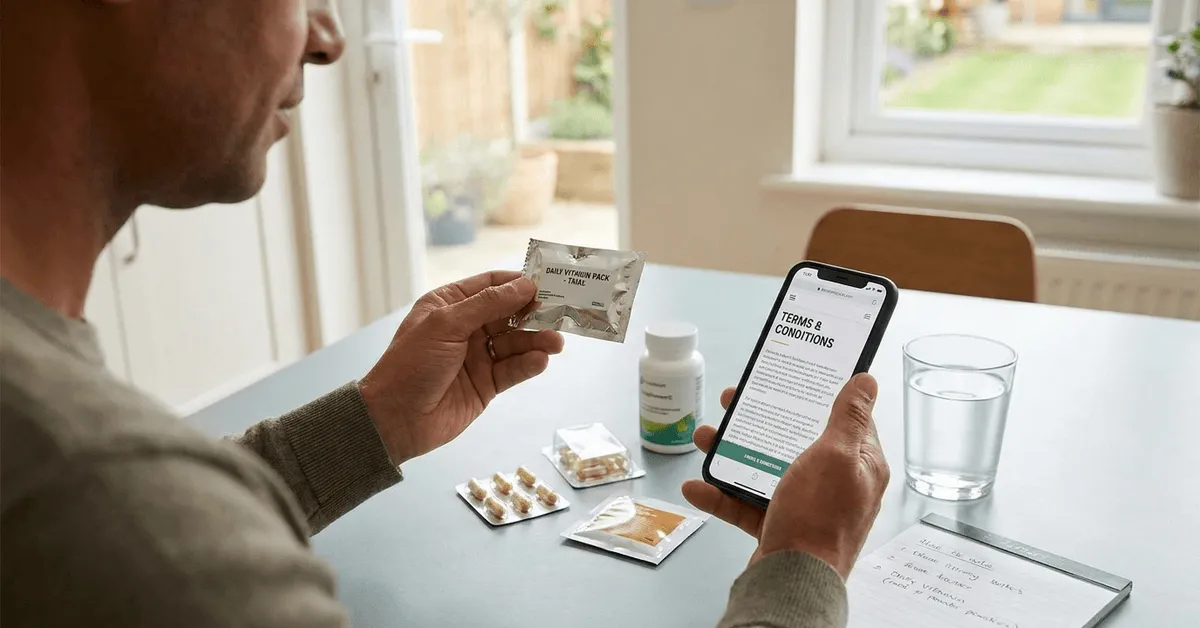
A small shipping charge does not automatically prove fraud, but it changes the offer. Payment pages, recurring subscriptions, and cancellation conditions deserve particular attention before any purchase decision.
Legitimate research may require identity or payment information in certain circumstances. Even then, a clear explanation, a trustworthy collection process, and a relevant privacy policy should be available.
Privacy, Testing Safety, and Practical Boundaries
Product testing profiles can contain sensitive household information. Questions about children, health, income, or buying habits deserve more thought than a routine preference for a particular snack flavor.
Privacy notices explain how information may be used, shared, or retained. Optional social account connections can also expose information beyond the details entered directly into a registration form.
Receiving an item does not make it suitable for every person. Ingredient lists, allergy warnings, age restrictions, and manufacturer instructions remain relevant, especially for food, cosmetics, and children's products.
Realistic Expectations About Value and Frequency
Most participants will not receive a constant stream of high-value products. Invitations can be irregular, selection is competitive, and many campaigns involve inexpensive household goods or sample sizes.
A product's retail price is not the same as its personal value. An item that takes hours to test and review may offer little benefit if it is something the participant would never otherwise use.
Product-only opportunities are also different from paid work. Depending on the location and circumstances, received goods may have tax implications, so local guidance can matter when participation becomes regular.
Conclusion: Useful Products, Honest Feedback, Clear Expectations
Getting free products for honest reviews is possible, but the strongest opportunities are built on fit and transparency. The product is a testing opportunity, not a reason to promise a favorable opinion.
For eligible readers interested in applying, BzzAgent's official website offers a starting point for registration. Membership does not guarantee selection.
The practical benefit is the chance to try something relevant while contributing useful feedback. Honest observations, visible disclosures, and clear campaign terms keep that exchange worthwhile for everyone involved.