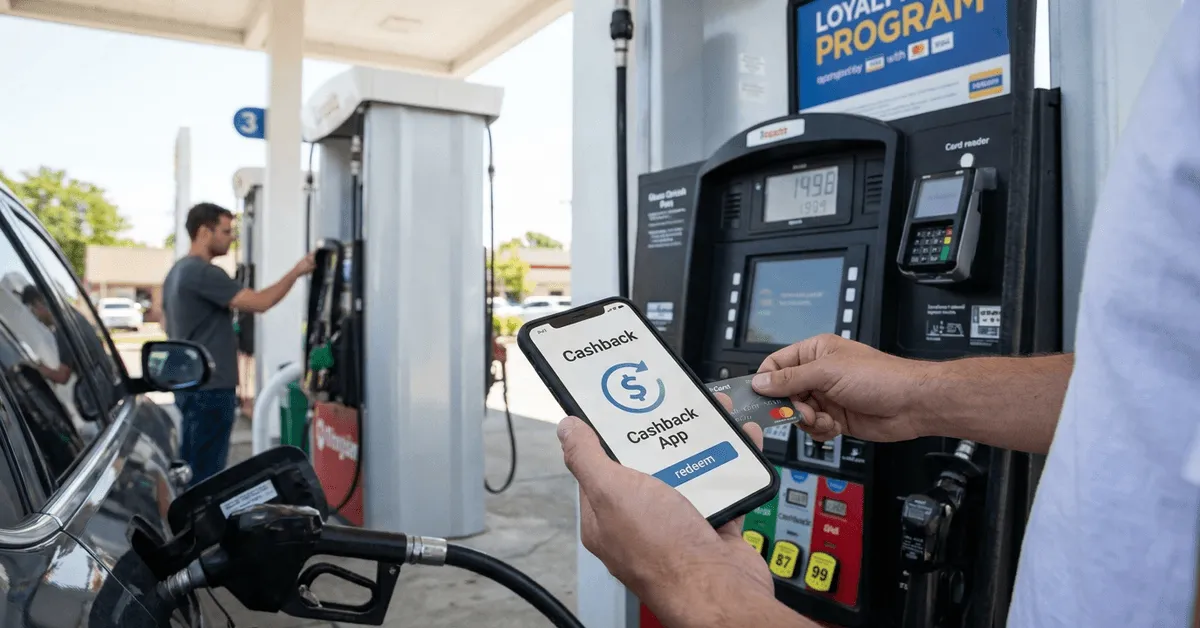
Earning shopping rewards does not have to involve borrowing money. Several cashback programs work with debit cards, bank payments, digital wallets, or receipts, although availability varies by country.
For people who prefer spending money they already have, these options can make everyday purchases slightly cheaper. The useful part is finding rewards that fit existing habits rather than creating new ones.
This guide explains how to earn cashback without a credit card , what different programs require, and which fees or restrictions deserve attention before a seemingly good offer influences a purchase.
How Cashback Without a Credit Card Actually Works
Cashback usually means receiving part of an eligible purchase price after completing a qualifying transaction. The reward might arrive as money, a bank transfer, a wallet balance, or redeemable points.
Many shopping portals earn a commission when they refer customers to retailers. They share part of that commission with shoppers, so the reward comes from a marketing arrangement rather than a credit facility.
Other programs reward a specific payment method, product purchase, or receipt submission. Each arrangement has different eligibility rules, and a payment accepted by the retailer may not qualify for the reward.
There is also a naming trap: cash handed over at a store checkout after a debit purchase is not a reward. That service withdraws your own money, while purchase cashback provides a separate shopping benefit.
The Main Ways to Earn Cashback Without Borrowing
Debit Card Cashback and Bank Account Rewards
Some banks and financial technology providers offer debit card cashback on qualifying purchases. Because the payment normally comes from your available balance, earning rewards does not require credit.
These programs may offer a standard reward rate, rotating merchant offers, or limited promotional categories. Monthly caps, account charges, and minimum funding requirements can change their actual value.
A reward account is not automatically the cheapest account. A modest cashback payment can disappear behind maintenance fees, foreign exchange charges, or overdraft costs when those apply to your situation.
Online Cashback Shopping Portals
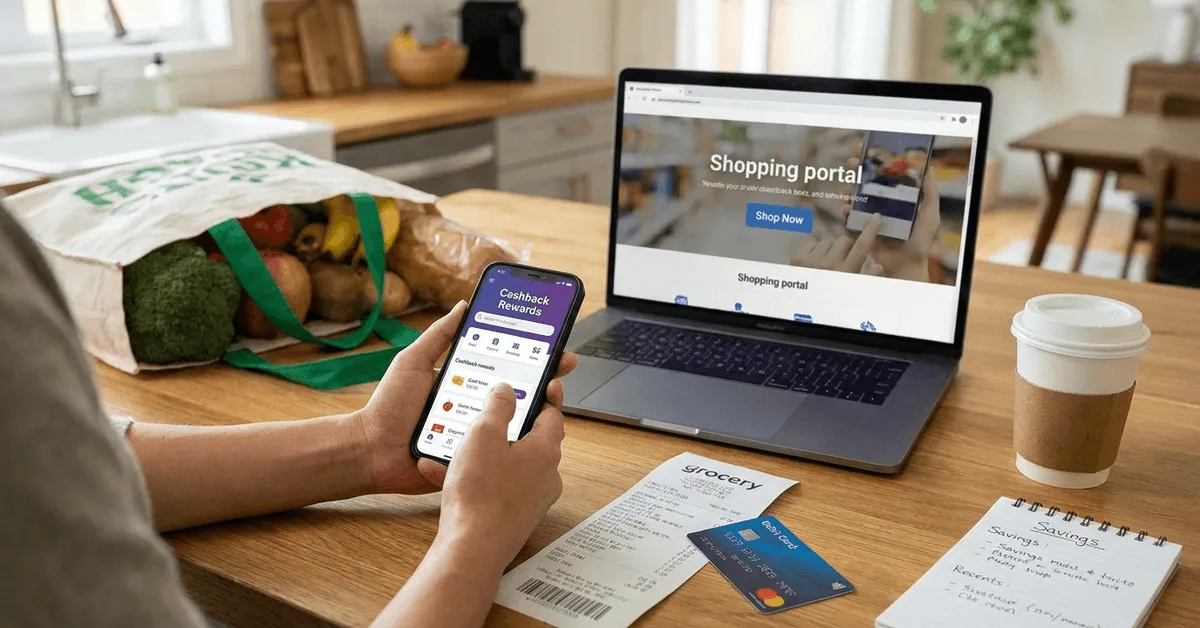
A cashback shopping portal lets eligible members visit participating retailers through tracked links. Many purchases can qualify when paid by debit card, but the retailer and offer terms determine eligibility.
The typical process starts with signing into the portal, selecting a retailer, and shopping during the tracked visit. Some offers need activation, and certain products or payment methods may be excluded.
The retailer normally validates the purchase before the reward becomes payable. Returns, cancellations, tracking problems, and excluded coupon codes can reduce the amount or prevent payment altogether.
Receipt Cashback Apps
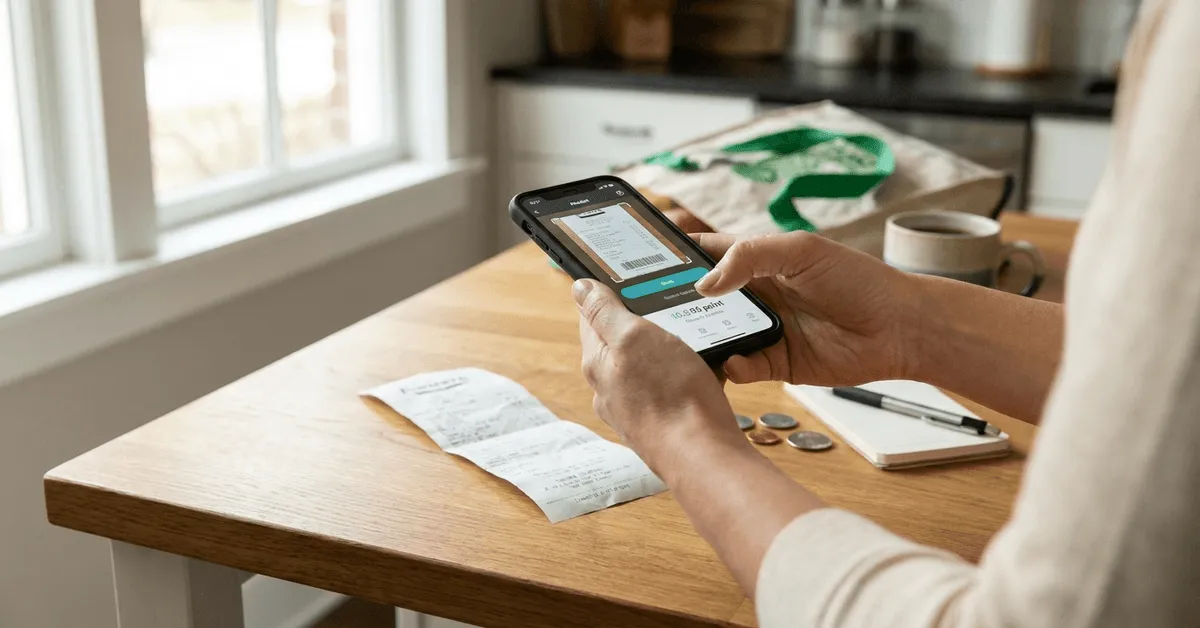
Receipt cashback apps reward eligible purchases after a shopper submits proof of payment. Depending on the program, purchases paid with cash or a debit card may qualify without any linked credit account.
Offers often apply to a particular brand, pack size, retailer, or purchase period. A product that looks almost identical may not qualify, which makes the details more important than the headline reward.
Some services request a photograph of a paper receipt, while others connect to retailer accounts or process digital receipts. Submission deadlines and withdrawal thresholds can affect whether an offer is worthwhile.
Digital Wallet and Payment App Offers
Digital wallets and payment apps sometimes provide cashback funded by participating merchants. Eligible payments may come from a stored balance, bank account, or debit card, depending on local program rules.
A wallet offer can require activation before checkout, payment through a specific button, or a minimum transaction amount. Simply having the app installed does not necessarily make an ordinary purchase eligible.
The reward may be a restricted promotional balance rather than withdrawable cash. That distinction matters when a benefit expires quickly or can only be used for another purchase within the same service.
Cashback Methods Compared: What Matters Beyond the Rate
The highest advertised percentage is only one part of the comparison. A smaller reward on a planned purchase can be more useful than a larger promotion with difficult conditions or limited redemption options.
| Method | Possible payment source | Main advantage | Important limitation |
|---|---|---|---|
| Debit card rewards | Funds in an eligible account | Rewards may apply automatically | Account fees, caps, and excluded transactions |
| Shopping portals | Payment methods permitted by the offer | Access to multiple participating retailers | Tracking requirements and validation delays |
| Receipt apps | Cash, debit, or other accepted methods | Some offers work after an in-store purchase | Exact product requirements and submission deadlines |
| Wallet promotions | Eligible balance, bank account, or debit card | Convenient for existing wallet users | Regional restrictions and promotional conditions |
| Retailer loyalty programs | Methods accepted under program terms | Rewards on repeat purchases | Benefits may be store credit rather than cash |
How to Compare the Real Value of Cashback Offers
The Final Purchase Price Comes First
A cashback offer does not make an expensive retailer cheaper by default. Comparing the final price with other sellers can reveal that a straightforward discount saves more than a reward paid several weeks later.
A useful comparison includes the item price, delivery charges, unavoidable payment fees, and any realistic reward. Taxes and shipping are sometimes excluded from cashback calculations, depending on the offer.
Withdrawal Rules Can Change the Outcome
Some programs allow withdrawals only after the balance reaches a minimum amount. Others pay on a schedule, so a reward that appears in an account today may not be available to spend or transfer immediately.
The available payout method matters too. A bank transfer may suit one person, while another cannot receive that payment locally. Gift cards can be useful, but they are not as flexible as unrestricted money.
Reward Stacking Is Conditional
Combining a retailer sale, debit card reward, and shopping portal can sometimes increase savings. However, each program sets its own rules, and using an unapproved voucher may invalidate the portal reward.
Two competing shopping portals usually cannot both claim the same referral purchase. A browser extension or later advertising click may also interfere with attribution, leaving the expected reward unconfirmed.
A Simple Example of Cashback Savings
Suppose a planned household purchase costs 100 currency units before delivery, and a portal offers 4% on the full item price. If the order qualifies and is approved, the expected cashback would be four units.
If another retailer sells the same item for 93 units with identical delivery costs and no reward, that second offer is cheaper. The cashback percentage sounds attractive, but the final cost tells the better story.
Now suppose delivery adds six units at the cashback retailer but is free elsewhere. That extra charge makes the difference larger, showing why net savings matter more than the advertised reward percentage.
Finding Cashback Programs in Your Country
Cashback services are not globally interchangeable. Membership eligibility, participating retailers, payout options, and consumer protections differ between countries, even when a familiar brand operates internationally.
A retailer shipping to your location does not prove that its cashback offer accepts residents there. The portal may serve a different market or require a supported local payment account before releasing rewards.
Cross-border shopping introduces another calculation: currency conversion fees and international delivery can outweigh cashback. Import duties and return shipping may also make an apparently cheap purchase expensive.
A practical shortlist would favor programs that clearly support your country, usual retailers, and preferred payout method. Local availability often matters more than the number of offers shown on a homepage.
Official Cashback Websites and Optional Registration
Official provider websites are the appropriate place to review current membership conditions. Reward rates change, so an article or comparison page cannot guarantee what a particular shopper will be offered.
For eligible shoppers, the services below provide official starting points for reviewing cashback offers and applying for membership. Registration remains optional, and neither link guarantees eligibility or earnings.
- Readers interested in the U.S. service can review available offers and register through the official Rakuten cashback website, subject to its current membership and purchase terms.
- Another option is to explore participating retailers and join through the official TopCashback U.S. website, where eligibility, tracking rules, and payout conditions are explained.
These are country-specific examples rather than worldwide recommendations. Readers elsewhere may have more suitable local services, and the relevant regional terms should establish whether participation is allowed.
Privacy and Security Checks Before Joining
Cashback has a trade-off that deserves attention: some providers collect information about shopping activity. Receipt images, linked retailer accounts, and browser extensions can reveal different levels of detail.
A privacy policy should explain what information is collected, how it is used, and whether it is shared. App permissions are worth comparing with the service being offered, especially for optional features.
Legitimate enrollment should not involve sharing a banking password through an unsolicited message or paying a stranger to unlock rewards. Requests for gift cards or cryptocurrency to release cashback are warning signs.
Where account linking is offered, the authorization method and provider identity matter. Readers uncomfortable with ongoing access may prefer a service that works through ordinary shopping links or manual receipts.
A Low-Effort Routine for More Reliable Rewards
A manageable routine usually works better than joining every available program. One suitable portal, a relevant debit offer, and an occasional receipt promotion may cover most opportunities without becoming a chore.
Keeping the order confirmation and a record of the activated offer can help if a transaction fails to track. Providers generally require claims within a stated period and may request supporting purchase details.
Pending rewards are best treated as uncertain until approved and paid. Returns or merchant decisions can change the balance, so relying on unconfirmed cashback for essential expenses creates unnecessary risk.
- Before buying: the product already fits the household budget, and its final price compares well with alternatives.
- At checkout: the payment method, product category, and any discount code meet the published cashback conditions.
- After buying: the transaction appears within the stated tracking period, and relevant records remain available.
- Before withdrawing: the payout method, minimum balance, and any applicable fees are clear.
Common Questions About Cashback Without Credit Cards
Can Cash Purchases Earn Cashback?
Sometimes. Receipt-based promotions and certain retailer loyalty programs may accept purchases paid with cash. The receipt, retailer, product, and purchase date still need to satisfy the specific offer rules.
Does Joining a Cashback Program Affect Credit Scores?
A standalone shopping rewards membership generally does not involve borrowing or a credit application. Opening a separate financial account or adding a credit product can involve different checks and conditions.
Are Cashback Rewards Taxable?
Tax treatment depends on the country and the reason for the payment. Purchase rebates, referral bonuses, and business-related rewards may be treated differently, so local tax guidance is the relevant reference.
Can Cashback Become a Reliable Income Source?
Ordinary purchase cashback is better understood as a possible reduction in spending, not dependable income. Rewards fluctuate with eligible purchases, and buying extra items to earn them usually defeats the purpose.
Conclusion: Better Savings Do Not Require More Debt
Earning cashback without a credit card is possible through eligible debit accounts, shopping portals, receipt offers, and payment apps. The right choice depends on local access and how you already spend.
The strongest approach is also fairly simple: planned purchases, competitive prices, clear eligibility rules, and usable payouts. A reward only improves the deal when it leaves you spending less overall.
For readers ready to compare options, the official registration links above offer a starting point without any obligation to join. Keeping control of spending remains more valuable than any cashback percentage.