The best cashback apps can return a small share of money spent on groceries, fuel, clothing, and other routine purchases. Their real value depends on where you live and how you normally shop.
This guide is for shoppers who want realistic savings without turning every purchase into a research project. It compares popular services, explains common restrictions, and highlights potential trade-offs.
Cashback is not free income, and a larger reward does not automatically mean a better deal. The useful goal is simpler: paying less overall for purchases that already fit your household budget.
How Cashback Apps Work
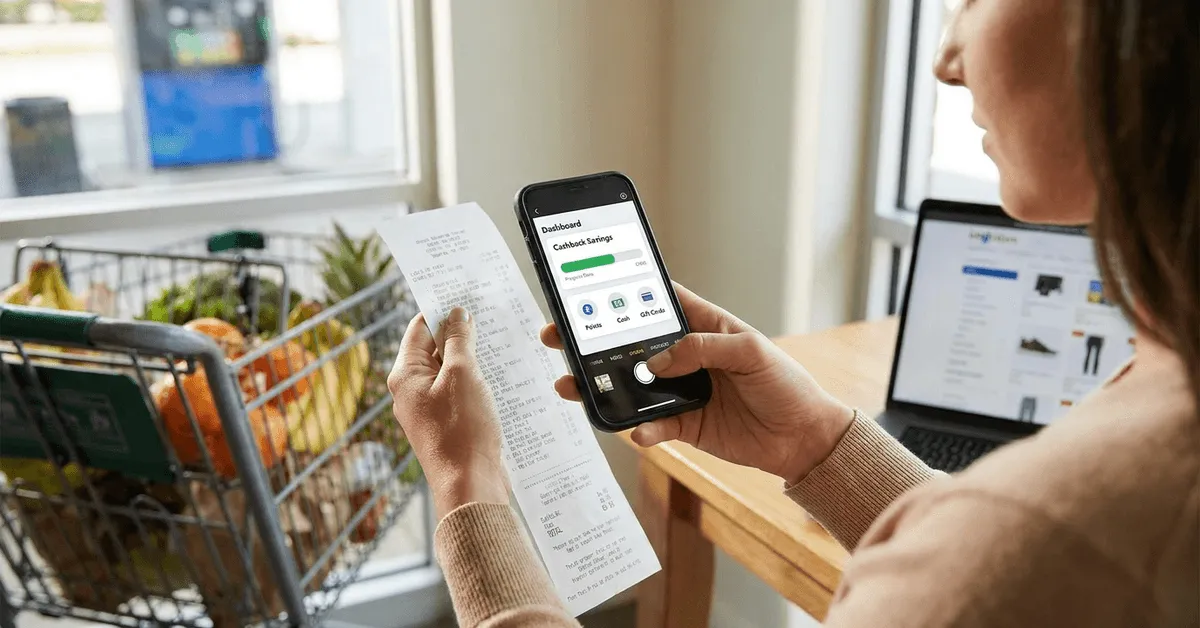
Cashback services reward eligible purchases through retailer partnerships, promotional campaigns, or receipt-based offers. The reward may appear as money, points, account credit, or a gift card.
For online shopping, a service typically sends you to a retailer through a tracked link. If the purchase meets the offer terms and is successfully attributed, the service shares part of its commission.
Other apps match uploaded receipts, linked payment cards, or connected store accounts with qualifying offers. These methods have different privacy implications, so convenience is only part of the comparison.
Pending cashback is not the same as available cash. A retailer may need to confirm payment, check that the return period has passed, and approve the transaction before a reward becomes withdrawable.
Common Types of Cashback Rewards
- Shopping portals: Rewards for eligible purchases started through an app, website, or browser extension.
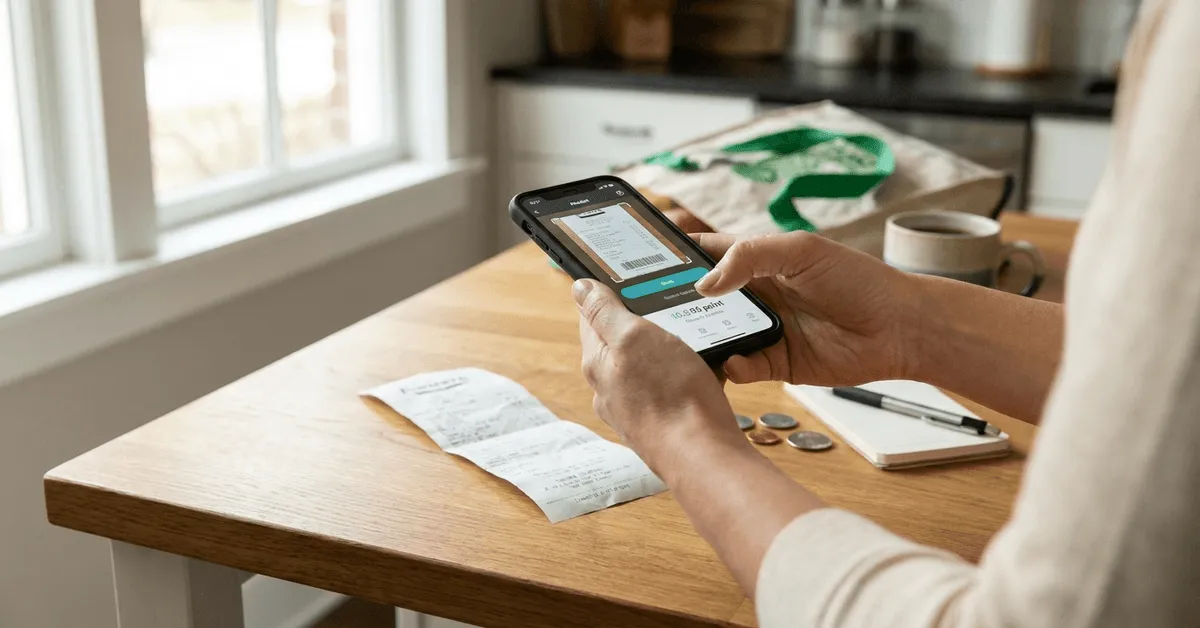
- Receipt rewards: Cashback or points after an eligible receipt is submitted and accepted.
- Card-linked offers: Rewards connected to qualifying transactions on an enrolled payment card.
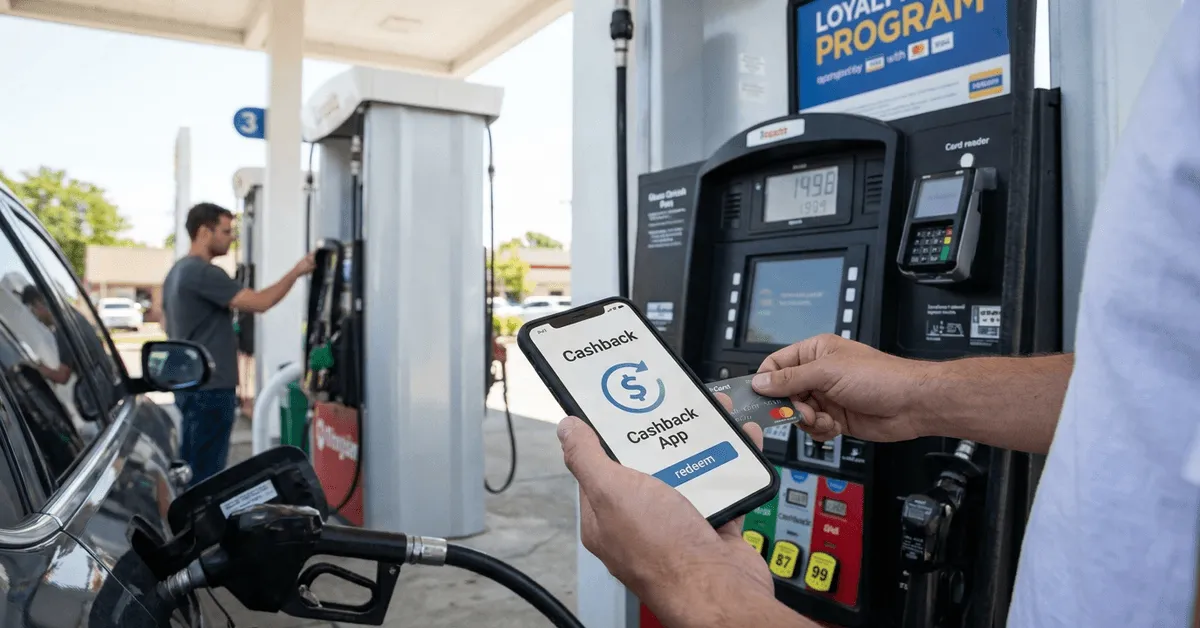
- Location-based offers: Participating fuel stations, restaurants, or shops offer specific rewards.
Best Cashback Apps at a Glance
There is no single winner for every shopper or country. The comparison below highlights established options and their general strengths, rather than promising a particular return or universal availability.
| Service | Main market or regional presence | Typical use | Important consideration |
|---|---|---|---|
| Rakuten | United States; separate services exist in some other markets | Online shopping rewards | Country-specific accounts, retailers, and payment rules |
| TopCashback | United Kingdom and United States through separate sites | Comparing online retailer offers | Membership options and payout terms vary by market |
| Ibotta | United States | Grocery and participating retailer offers | Product requirements and redemption methods vary |
| Fetch | United States | Receipt-based points rewards | Points are not equivalent to immediately withdrawable cash |
| Upside | United States | Participating fuel, restaurant, and grocery purchases | Local coverage and offer conditions matter |
| ShopBack | Selected Asia-Pacific markets | Online shopping and market-specific rewards | Features and participating merchants differ by country |
| Quidco | United Kingdom | Online shopping and selected service purchases | Account options and transaction approval terms matter |
Popular Cashback Apps and Their Practical Strengths
Rakuten: An Option for Routine Online Shopping
Rakuten is a recognizable option for shoppers who frequently buy from participating online retailers. Its usefulness depends less on the brand name and more on whether your usual stores have eligible offers.
A sensible comparison includes the retailer's final price, shipping charges, exclusions, and expected cashback. A lower advertised reward can still produce a better outcome when the underlying purchase costs less.
Rakuten services are market-specific, and an account in one country does not imply access to another country's offers. Payment methods, schedules, and eligibility requirements deserve a local check.
TopCashback: Useful for Comparing Retailer Offers
TopCashback operates separate services for markets including the United Kingdom and United States. It can be useful when comparing rewards on a planned purchase, especially where several portals list the same shop.
The headline rate is only the starting point. Different product categories, new-customer conditions, discount codes, or membership options may change the reward that ultimately applies to a purchase.
UK readers considering this service can review the official TopCashback UK website for current retailer offers, membership details, and applicable payout conditions.
Ibotta: A Grocery-Focused Choice for US Shoppers
Ibotta is particularly relevant to US shoppers looking for rewards on eligible grocery purchases. Depending on the retailer and offer, redemption may involve selecting deals, submitting receipts, or linking accounts.
Product matching matters here. A reward may apply only to a particular brand, package size, quantity, or purchase location, so a similar-looking item might not qualify even when it appears to serve the same purpose.
For households that already buy the featured products, these offers can complement an existing grocery plan. Buying a more expensive substitute solely for cashback, however, can quietly cancel out the saving.
Fetch: Receipt Rewards Rather Than Direct Cash Back
Fetch belongs in this comparison because it rewards shopping activity, but its points model differs from straightforward cash payouts. Redemption options and the points required for rewards need careful comparison.
Receipt-based rewards can appeal to people who prefer a lighter routine than activating many individual offers. Still, submission deadlines, receipt eligibility, and promotional conditions can affect the result.
Gift card value is not identical to cash value. A reward is most useful when it covers spending you already intended, rather than creating a reason to visit another retailer or buy something unnecessary.
Upside: Potential Savings on Fuel and Local Purchases
Upside focuses on offers at participating US businesses, including fuel stations and selected dining or grocery locations. Its practical value depends heavily on the merchants available along your regular routes.
A fuel offer can look attractive until a detour adds extra mileage or a nearby station has a lower pump price. Comparing the final cost per gallon is generally more meaningful than comparing the reward alone.
Some offers require activation and a specific verification process before the purchase qualifies. Payment requirements and interactions with other discounts can also affect the amount ultimately credited.
ShopBack: A Regional Option Across Selected Asia-Pacific Markets
ShopBack is relevant in several Asia-Pacific markets, with a different mix of retailers and features in each location. Availability in one country does not mean identical services are offered in a neighboring market.
Depending on the local service, shoppers may find online retail offers and other reward features. The local platform is the appropriate reference for eligible merchants, withdrawal methods, and account requirements.
Cross-border purchases deserve extra attention because currency conversion, delivery costs, and import charges can outweigh a reward. A cashback offer does not remove the ordinary costs of international shopping.
Quidco: Another Comparison Option for UK Shoppers
Quidco is a UK-focused cashback service covering participating retailers and selected service providers. It gives shoppers another place to compare the return on a purchase they have already decided to make.
Account options, deductions, and promotional conditions may affect the net reward. Comparing the amount likely to reach your account is more useful than choosing whichever service displays the largest percentage.
For insurance, broadband, or similar contracts, product suitability comes first. A cashback incentive is unlikely to compensate for unsuitable coverage, higher recurring charges, or an unnecessarily long commitment.
How to Choose Cashback Apps in Your Country
Country eligibility is the first filter. An app appearing in search results or an app store does not necessarily mean you can register, earn rewards locally, and withdraw them using your preferred method.
A useful local comparison covers supported retailers, accepted receipts, payout currencies, and verification requirements. Access to familiar stores usually matters more than an impressive international brand list.
Where these services are unavailable, local supermarket loyalty schemes, bank reward programs, or payment-wallet offers may be alternatives. Their value still depends on fees, restrictions, and actual spending habits.
- Supported country of residence and any minimum-age requirements.
- Relevant retailers, eligible purchase categories, and local merchant coverage.
- Withdrawal thresholds, payment methods, fees, and currency conversion costs.
- Account inactivity rules, reward expiration, and identity verification requirements.
- Privacy settings, customer support access, and missing-reward claim procedures.
How to Compare Real Savings Instead of Headline Rates
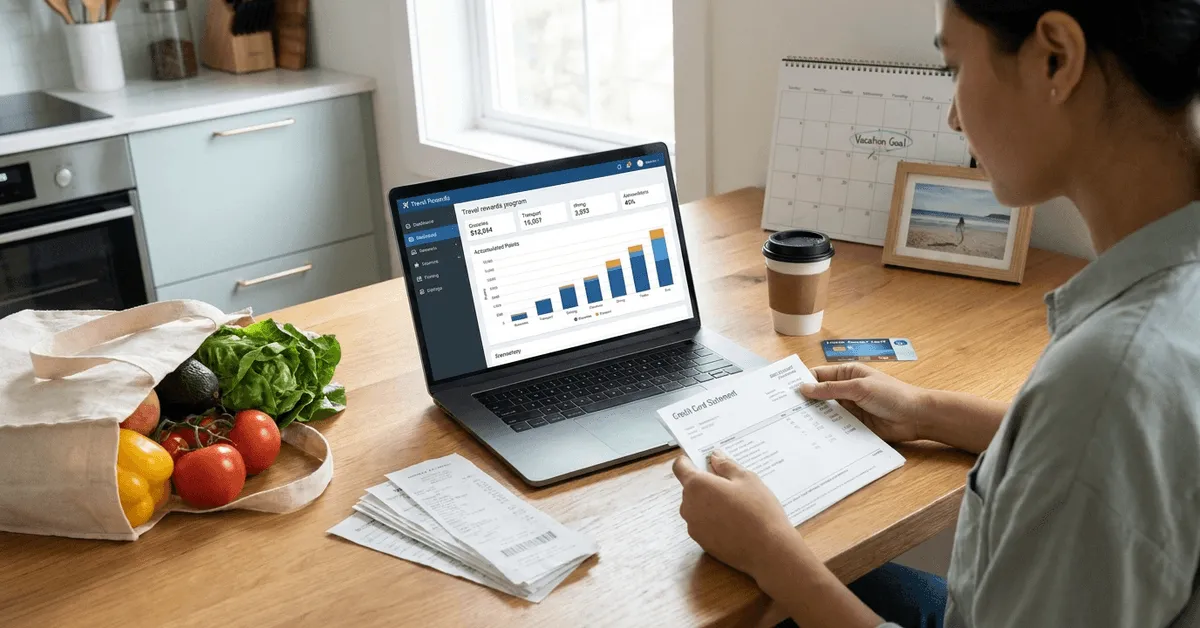
The most useful calculation is the final purchase cost after confirmed rewards . Delivery charges, membership costs, transaction fees, and unnecessary extras all belong in that calculation as well.
For example, a hypothetical $100 purchase with 5% eligible cashback could return $5. If another retailer sells the same item for $92 with no reward and identical delivery costs, the second option is still cheaper.
That example assumes the entire $100 qualifies, which is not always true. Taxes, shipping, gift cards, particular brands, and certain product categories may be excluded from the amount used to calculate cashback.
Monthly results also deserve realistic expectations. As an illustration, $300 of eligible spending at an effective 2% return produces $6, before any relevant fees, reversals, or other account adjustments.
Cashback Terms That Can Change the Outcome
- Up to: The highest rate may apply only to a narrow category or customer group.
- New customer: Existing retailer customers may receive a different rate or no reward.
- Minimum withdrawal: Small balances may remain unavailable until a threshold is reached.
- Pending: The transaction has not necessarily been approved for payment.
- Excluded codes: An unapproved discount code may invalidate the cashback.
Combining Cashback With Discounts Without Losing Rewards
Combining rewards, sometimes called stacking, can work when every participating program allows it. A retailer sale, an approved coupon, and an eligible payment-card reward may coexist, but this is never universal.
Using multiple cashback portals for one transaction is especially unreliable. Attribution commonly goes to one qualifying referral, and switching between portals or extensions can interfere with the original tracking.
Paying credit-card interest to earn rewards usually defeats the purpose. Cashback is most helpful when payment choices remain affordable and do not introduce interest, late charges, or avoidable account fees.
Privacy, Security, and Missing Cashback
Cashback tools may process shopping histories, receipt details, device information, or linked-account data. The exact collection depends on the service and features used, making its privacy policy worth reviewing.
A browser extension can simplify activation, but its permissions still matter. Installing fewer tools and checking the developer's identity can reduce unnecessary exposure without making shopping particularly complicated.
Warning signs include guaranteed-income promises, requests for account passwords through messages, and payments demanded to release rewards. Familiar branding alone does not establish that a message or download is genuine.
When cashback fails to appear, order confirmations, transaction dates, and offer details can support a missing-reward claim. Claim windows vary, and submitting evidence does not guarantee that a retailer will approve it.
Are Cashback Rewards Taxable?
Tax treatment depends on local law and the type of reward. Purchase-linked rebates may be treated differently from referral payments, promotional bonuses, or rewards connected with business expenses.
For business purchases, rewards can also affect how expenses are recorded. Local tax-authority guidance or a qualified adviser is a more reliable reference than assuming another country's treatment applies everywhere.
A Practical Cashback Routine That Stays Manageable
A small, consistent setup often works better than a phone full of overlapping reward apps. One suitable shopping portal and one relevant grocery or receipt service may cover much of a household's ordinary spending.
A brief monthly review can reveal whether the effort is worthwhile. Confirmed rewards, time spent, failed claims, and purchases influenced by promotions provide a clearer picture than a growing pending balance.
- A planned purchase provides the starting point, rather than an app notification.
- A price comparison establishes the cheapest suitable option before rewards.
- The relevant offer terms determine whether cashback improves that option.
- Order records remain available until the reward is confirmed and paid.
- Periodic withdrawals, where permitted, keep usable savings separate from pending balances.
Conclusion: The Best Cashback App Fits Your Existing Spending
The best cashback apps to save money are the ones that match your country, regular retailers, and preferred payout method. A smaller reward on a necessary purchase beats a generous offer on something unnecessary.
Real savings come from comparing final prices, understanding approval rules, and keeping spending decisions separate from rewards. Cashback works best as a modest discount layer, not as a reason to stretch a budget.
US readers interested in applying for a cashback account can explore Rakuten's official registration options, with eligibility, current terms, and privacy details informing that decision.