Getting cashback on grocery purchases can make regular food shopping a little less expensive. The useful part is not chasing every offer, but finding rewards that fit purchases already in your budget.
This guide is for households comparing grocery cashback apps, supermarket loyalty programs, and payment rewards. It explains how the options work, where restrictions appear, and what affects real savings.
Availability varies by country, retailer, and payment provider, so no single method suits everyone. Still, a simple approach can help turn eligible everyday spending into modest, measurable savings over time.
How Cashback on Grocery Purchases Works
Grocery cashback returns part of an eligible purchase after a transaction meets an offer's conditions. Depending on the program, that return may arrive as money, account credit, or redeemable rewards.
The reward usually comes from a retailer, product manufacturer, payment provider, or shopping platform. Each funds offers differently, which helps explain why qualifying products and payout rules vary so much.
A displayed reward is not always immediately available to withdraw. Some programs hold earnings until purchases are confirmed, while others require a minimum balance before a payment can be requested.
Cashback, Discounts, and Points Are Different
An instant discount reduces the amount paid at checkout, while cashback normally arrives afterward. Loyalty points sit somewhere else: their actual value depends on the program's redemption rules.
That distinction matters when comparing offers across supermarkets. A larger points balance does not necessarily beat a smaller cash payment, especially when rewards expire or have limited redemption options.
The Main Ways to Earn Grocery Cashback
Most grocery rewards fit into a few familiar categories. Understanding the differences makes comparisons easier and helps avoid registering for several services that all reward the same narrow type of purchase.
| Method | How it works | Main limitation |
|---|---|---|
| Receipt cashback apps | Eligible receipts or purchases are submitted for rewards. | Product, retailer, and submission restrictions may apply. |
| Supermarket loyalty programs | Member purchases earn rewards or unlock selected offers. | Rewards may remain within the retailer's system. |
| Cashback payment cards | Qualifying transactions earn rewards through the card provider. | Fees, interest, caps, and merchant categories affect value. |
| Online shopping portals | Tracked purchases through participating retailers earn cashback. | Tracking failures and exclusions can prevent payment. |
| Bank-linked offers | Activated offers reward qualifying payments at selected merchants. | Offers may be personalized, temporary, or tightly restricted. |
These methods sometimes work together, but compatibility is never automatic. A retailer discount might combine with a payment reward while conflicting with a manufacturer rebate on the same grocery item.
How Receipt Cashback Apps Reward Eligible Shopping
Receipt cashback apps commonly reward specific products rather than an entire grocery basket. An offer might apply to one package size, a selected flavor, or purchases made at participating stores.
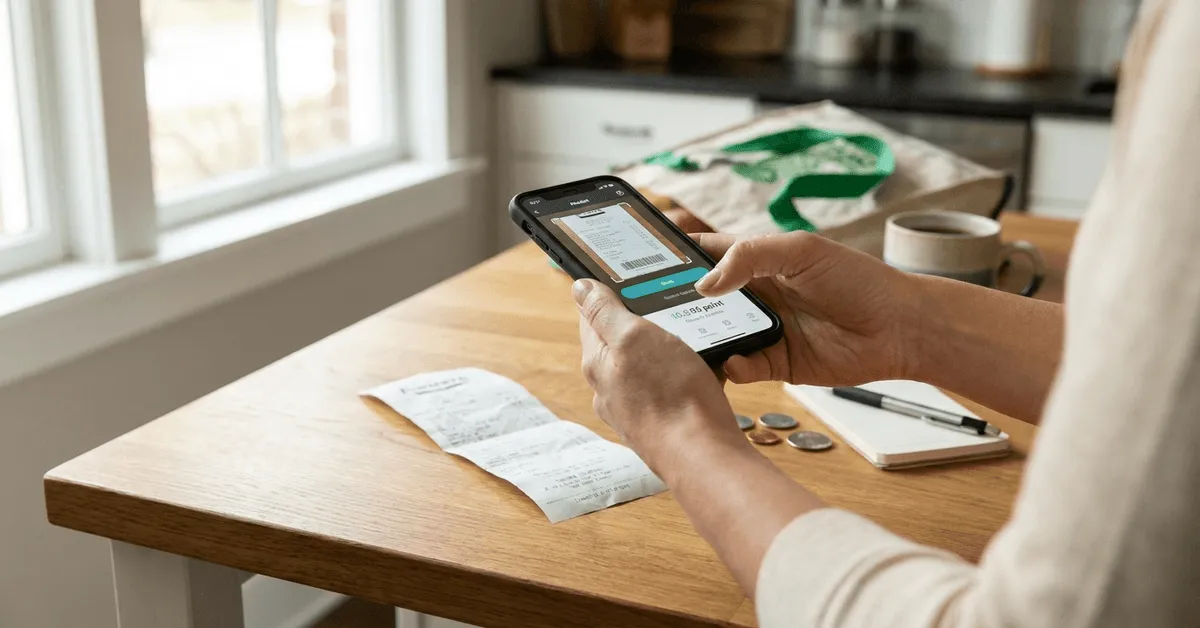
Some services accept uploaded receipt images, while others connect to retailer accounts or recognize linked transactions. The available process depends on the app, country, and retailer involved.
Offer Activation and Product Matching
Many offers require activation before shopping, although some allow later selection within a stated period. The offer terms are the reliable reference for timing, qualifying quantities, and eligible varieties.
Product matching can be surprisingly precise. Two packages may look almost identical, yet only one barcode qualifies, making the displayed product description more useful than the promotional image alone.
Receipt Deadlines and Approval
A clear receipt usually needs to show the retailer, purchase date, eligible products, and transaction total. Missing details or a late submission can cause rejection even when the underlying purchase qualifies.
Keeping a receipt until the reward is approved can make a dispute easier to resolve. Digital order confirmations may help too, although screenshots are not accepted as proof by every cashback service.
Supermarket Loyalty Programs and Member Rewards
Supermarket loyalty programs can be convenient because they connect rewards to a store already in a household's routine. Benefits may include personalized discounts, points, vouchers, or occasional cashback.
Not every member price represents the best available deal. A discounted branded product can still cost more than a comparable store-brand alternative, particularly when package sizes are different.
For regular shoppers, the strongest programs are often those with useful everyday offers and straightforward redemption. A complicated points system is less appealing when its benefits rarely match the shopping list.
Household Accounts and Reward Expiration
Some retailers allow household members to share a loyalty account, but others restrict how accounts may be used. Program rules determine whether pooling purchases or combining reward balances is permitted.
Expiration dates also deserve attention, especially for vouchers issued automatically. A reward that disappears before the next realistic shopping trip has less practical value than its advertised amount suggests.
Cashback Cards: Grocery Rewards Without Extra Debt
A cashback credit card may reward eligible supermarket spending, but approval requirements and product availability differ by country. Debit cards and bank accounts sometimes provide similar merchant offers.
The advertised grocery rate may not apply everywhere food is sold. Warehouse clubs, convenience stores, delivery platforms, and general merchandise retailers can fall into different merchant categories.
Fees, Interest, and Spending Caps
Interest charges can quickly outweigh grocery rewards when a credit card balance is carried. Annual fees and foreign transaction charges may also reduce the benefit, depending on how the account is used.
Higher reward rates sometimes apply only up to a monthly or annual spending cap. Beyond that limit, purchases may earn a lower rate, so the headline percentage does not always describe the full year's return.
For someone who would need to borrow to earn rewards, a no-credit option may be more suitable. Cashback works best as a byproduct of affordable shopping, not as a reason to take on additional debt.
Online Grocery Cashback and Shopping Portals
Online grocery cashback may be available through shopping portals when a participating supermarket or delivery retailer has an active offer. Availability can change, and some offers exclude food entirely.
A portal generally relies on a tracked visit that leads to an eligible order. Switching devices, using certain browser extensions, or applying an unapproved promotional code can interfere with that process.
Grocery orders create another wrinkle: the final charge may change after substitutions or unavailable items. Cashback may therefore be calculated on the confirmed eligible amount rather than the original basket.
Delivery Costs Can Cancel the Benefit
Delivery charges, service fees, and higher online item prices can outweigh a portal reward. A comparison is more useful when it includes the full delivered cost instead of focusing only on the cashback rate.
For households already paying for grocery delivery, a qualifying portal offer may provide an extra saving. Starting a new subscription solely to access cashback is a different calculation, and often a less attractive one.
How to Compare the Real Value of Grocery Rewards
The most useful number is the final cost after realistic rewards , not the largest advertised percentage. That calculation includes unavoidable fees and excludes rewards that are unlikely to be redeemed.
For example, an eligible grocery purchase worth 100 currency units with 2% cashback would generate 2 units. That assumes the full purchase qualifies, no cap applies, and the reward is eventually approved.
If obtaining that reward adds a delivery fee of 4 units, the transaction is more expensive overall. The cashback still exists, but it does not turn the higher-cost option into the better shopping decision.
- Eligible spending: The amount that actually qualifies under the offer.
- Expected reward: The cashback after limits, exclusions, and adjustments.
- Additional costs: Fees or higher prices caused by choosing that option.
- Practical value: Whether the reward can realistically be withdrawn or used.
Unit Prices Still Matter
A product priced at 6 units with 1 unit cashback still costs 5 units after approval. If a suitable alternative costs 4 units for the same quantity, the alternative remains cheaper despite offering no reward.
Comparing price per kilogram, liter, or another consistent measure helps reveal the difference. This is particularly useful when a cashback promotion applies only to a smaller package or a premium product.
Can Grocery Cashback Offers Be Combined?
Cashback stacking means combining compatible savings on one purchase. A typical example could involve a supermarket discount, a manufacturer-funded rebate, and an eligible payment-card reward.
That combination is possible only when every program permits it. Some rebates exclude purchases using other coupons, while some portals reject transactions connected to promotional codes they do not list.
Submitting the same receipt to multiple services may also be restricted. Separate rewards are not automatically compatible simply because each app accepts receipt uploads or displays a similar product offer.
A small, clearly permitted combination is often more useful than a complicated arrangement with uncertain approval. The extra return can be modest, and the time spent resolving rejected claims has value too.
Worldwide Availability, Payouts, and Currency
Grocery cashback services are usually designed for specific markets rather than worldwide use. An app available to download may still require local residency, a supported phone number, or a domestic payment account.
Retailer participation also varies within countries, especially outside major cities. A service with attractive national advertising may offer limited value if nearby stores or usual grocery purchases rarely qualify.
Withdrawal Options and Minimum Balances
Payout methods may include bank transfers, supported digital wallets, statement credits, or gift cards. These options are not interchangeable, particularly when a household needs cash rather than restricted store credit.
A high withdrawal threshold can leave occasional users waiting months to access small earnings. Currency conversion charges or payout fees may reduce the amount received, where those costs apply.
Tax Treatment Depends on Local Rules
The tax treatment of rewards depends on local law and the nature of the payment. Purchase rebates, referral bonuses, and business-related rewards may receive different treatment, so blanket assumptions are unreliable.
Privacy and Safety When Using Cashback Services
Receipt images can reveal more than shopping preferences. They may include store locations, transaction identifiers, loyalty details, and partial payment information, which makes privacy terms worth considering.
Account-linking features may involve broader access to transaction or shopping data. A service's permissions and privacy disclosures can clarify what information it collects, shares, retains, and allows users to delete.
A request for payment to unlock ordinary cashback earnings is a warning sign, especially when paired with urgency. Legitimate identity checks can exist, but unexpected requests deserve independent verification.
- Official websites and verified app-store listings provide more reliable starting points than unsolicited messages.
- Unique passwords and available multifactor authentication can help protect reward accounts.
- Unnecessary permissions may indicate that an app requires more access than its purpose reasonably suggests.
- Guaranteed earnings claims are not a substitute for clear eligibility and payout terms.
A Simple Grocery Cashback Routine
A manageable routine usually begins with the household's normal meal plan and grocery list. Relevant offers can then be compared against those needs, rather than allowing promotions to decide what gets purchased.
One loyalty program and one additional reward method may be enough at first. Adding more services only makes sense when the extra savings remain worthwhile after accounting for effort, privacy, and spending changes.
- A shopping list establishes the purchases that would happen without rewards.
- A brief offer review identifies relevant products and any activation requirements.
- A price comparison checks whether eligible products are genuinely competitive.
- Receipts and confirmations remain available until rewards are approved.
- A monthly review compares redeemed savings with any added costs.
A short monthly review can also reveal whether rewards are encouraging extra purchases. If spending rises faster than cashback earnings, the system may need simplifying, even when the account balance looks encouraging.
Conclusion: Grocery Cashback Works Best When Spending Stays in Control
The best way to earn cashback on grocery purchases is to reward spending that already makes sense. Competitive prices, useful products, and manageable payment habits matter more than an impressive promotional rate.
For eligible U.S. readers, applying to join through the official Rakuten website is one option to explore. Grocery eligibility depends on current retailer offers and exclusions.
Cashback is a useful supplement to a grocery budget, not a replacement for one. When rewards fit ordinary shopping and reach a usable payout, small savings can accumulate without making everyday life more complicated.