Learning how to build credit without a credit card can open up useful options for first-time borrowers, newcomers, and anyone avoiding revolving debt. The key is understanding what actually gets reported.
Can You Build Credit Without a Credit Card?
Yes, a credit card is not essential for establishing a credit history. In many countries, eligible loan repayments and certain reported household payments can create a record of financial reliability.
The important distinction is between paying a bill and having that payment recorded. A payment only helps a particular credit file when the relevant provider supplies information that the bureau accepts.
There is no single worldwide credit score, and national systems differ considerably. An account that supports credit building in one country may have no effect on a credit report somewhere else.
For that reason, the most useful starting point is not a particular product. It is knowing which credit reporting agencies operate locally and which affordable accounts actually send them payment data.
How Credit Building Works Without Revolving Debt
Payment History Creates Evidence
Payment history shows whether borrowing commitments were handled as agreed. Depending on the scoring system, timely payments can help establish reliability, while missed payments can damage a file.
A credit card creates one kind of repayment record, but an installment loan can create another. The account structure differs, yet both may supply information about balances, payment dates, and arrears.
Credit Reports and Credit Scores Are Different
A credit report contains information collected about your accounts and borrowing history. A credit score interprets selected information from a report using a particular mathematical model.
That distinction matters because adding an account does not guarantee an immediate score increase. The account must appear in the relevant file, and the scoring model must consider that information.
Lenders may also assess income, existing commitments, identity information, and affordability. A stronger credit profile can support an application, but it does not guarantee approval or cheaper borrowing.
Credit-Builder Loans: A Structured Route to Payment History
How a Credit-Builder Loan Works
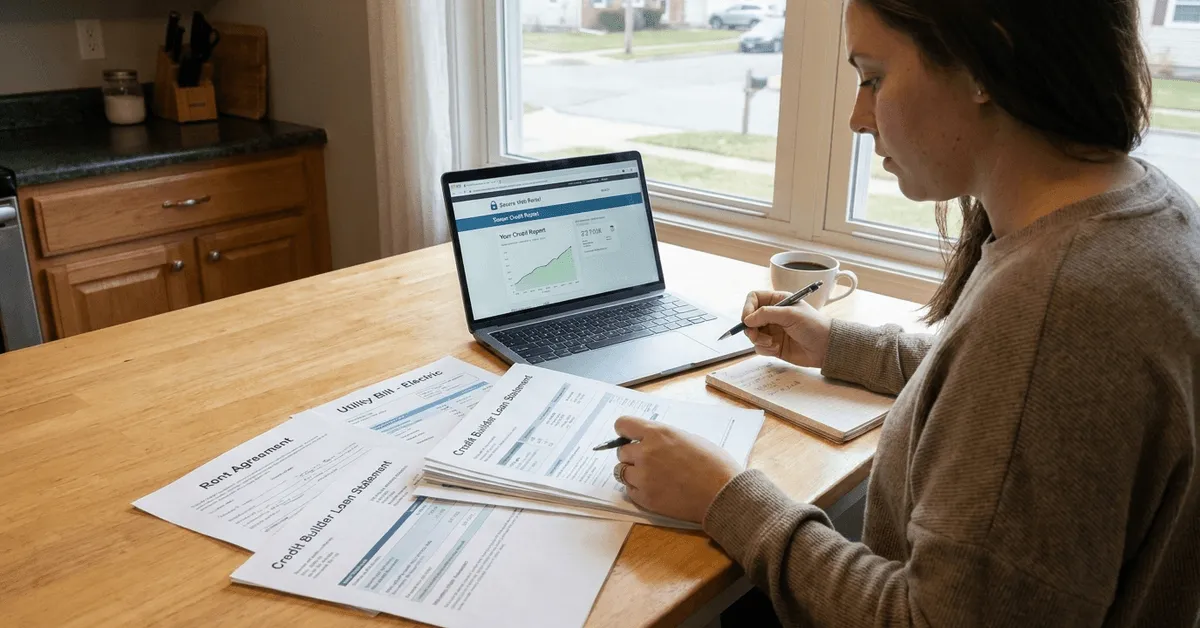
A credit-builder loan commonly holds the borrowed amount in a restricted savings account while repayments are made. Access to the money usually comes after the agreement has been completed.
The purpose is to establish a repayment record rather than provide immediate spending money. Banks, credit unions, nonprofit organizations, and specialist providers offer different versions in some markets.
For example, a small loan repaid over twelve months may generate a series of reported payments. However, interest and administration charges can mean the amount received is lower than the total paid.
Costs and Reporting Matter More Than Branding
The label alone says little about value. A useful comparison includes the total repayment amount, fees, interest rate, payment schedule, early-exit terms, and the credit bureaus receiving account information.
Not every provider reports to every bureau, and reporting practices can change. Written product disclosures are more useful than broad promises about building credit quickly or achieving a particular score.
Missed payments may be reported negatively, even when the loan proceeds remain locked away. A credit-building product is still a financial commitment, not a risk-free shortcut to a better credit profile.
Secured Personal Loans and Credit Union Options
A savings-secured loan uses money already held in an eligible account as collateral. Some credit unions call this a share-secured loan, although product names and eligibility rules vary by country.
Unlike an unsecured loan, this arrangement gives the lender access to pledged savings if repayment fails. That security may support eligibility, but approval and favorable pricing are never automatic.
The main trade-off is that part of your savings becomes unavailable while interest or fees may still apply. Paying borrowing costs solely to create a credit record can be poor value when cheaper options exist.
Credit unions may offer smaller loans or financial education alongside lending. Membership conditions, deposit protection, affordability checks, and bureau reporting still depend on the institution and location.
Can Rent Payments Help Build Credit?
Rental Reporting Can Add Useful Information
Rent reporting allows eligible rental payment information to reach participating credit bureaus. Depending on the arrangement, a landlord, property manager, or separate service supplies the data.
This can be relevant for renters who already pay a major monthly expense but have little borrowing history. Availability varies widely, and not every credit bureau or scoring model uses rental information.
Some services report future payments only, while others may include eligible past payments. Fees, verification requirements, landlord participation, and dispute procedures differ between reporting arrangements.
The Benefit Depends on Who Reads the Report
A rental entry appearing on one report does not mean every future lender will consider it. The lender may use a different bureau, a different scoring model, or its own internal assessment process instead.
Rental reporting also deserves a close look at privacy and negative reporting rules. Some services require access to banking data, and treatment of missed or disputed rent can differ between providers.
Where a landlord already offers reporting without an extra charge, the cost calculation may be straightforward. A paid service needs a clearer benefit, particularly when household finances are already tight.
Utility Bills, Mobile Contracts, and Other Household Payments
Electricity, water, broadband, and mobile payments do not automatically build credit everywhere. Some providers report account information directly, while others report only serious arrears or unpaid debts.
Certain optional services use eligible bill payments or bank transaction data to supplement a credit file. Their usefulness depends on local availability, participating bureaus, and the lender reviewing it.
Payment method matters less than reporting. Paying a bill by bank transfer, debit card, or direct debit does not itself create credit history when the account information never reaches a relevant bureau.
A mobile contract can involve a credit check in some markets, but that alone does not establish a positive repayment record. A prepaid phone plan usually works differently from a financed handset agreement.
Other Loans Can Build Credit, but Borrowing Has a Cost
Existing student loans, vehicle finance, mortgages, and personal loans may contribute to credit history when reported. Their primary purpose, however, is funding a genuine need rather than manufacturing a score.
Taking on a large loan purely for credit building can create unnecessary interest costs and repayment pressure. A payment record has limited value if maintaining it leaves too little money for essential expenses.
Buy now, pay later borrowing is not a dependable universal credit-building method. Reporting varies across providers and countries, and missed payments or collections may create consequences that outlast a purchase.
Overdrafts also differ between banking systems. Some appear on credit files, while others do not provide the kind of positive history someone expects; fees and repeated reliance can create separate problems.
How Credit-Building Options Differ Around the World
United States and Canada
In the United States, credit-builder loans, some rental reporting services, and eligible installment accounts can add information. Results depend on bureau coverage, account details, and the scoring model used.
Canada has its own credit reporting system, with Equifax and TransUnion operating separate files. Loan reporting and rental reporting availability depend on the provider, so American product descriptions may not apply.
United Kingdom and Australia
In the United Kingdom, reported loans, certain household accounts, and participating rent reporting arrangements can contribute information. Electoral registration can also support identity checks where applicable.
Australia uses comprehensive credit reporting for eligible credit accounts, including repayment history information. Ordinary rent and utility payments do not automatically build a positive file in the same way.
India and Other Credit Markets
In India, eligible loans reported by regulated lenders can establish repayment history with credit information companies. Routine UPI transfers and debit card purchases do not independently create that history.
Elsewhere, credit bureaus may operate alongside public credit registries or more limited reporting systems. Local banking regulators and recognized bureaus provide a better reference than advice written for another country.
What Usually Does Not Build Credit by Itself
Saving money is financially valuable, but an ordinary savings balance generally does not create a loan repayment record. The same is usually true of receiving wages or maintaining a healthy current account balance.
Debit card spending normally uses money already available in an account rather than borrowed funds. Frequent purchases therefore do not usually build conventional credit history on their own.
Income and savings may still matter during affordability checks or lending decisions. They serve a different purpose from a credit history, which documents how eligible accounts and commitments were handled.
Another common misconception is that paying interest is necessary for a strong profile. Interest itself does not build credit; the relevant information concerns reported accounts and how they are managed over time.
How Long Does It Take to Build Credit Without a Card?
There is no reliable universal deadline. Reporting schedules, account age requirements, bureau processing, and scoring models all affect when a new account becomes visible and whether a score can be generated.
Where providers report monthly, an account may take one or more reporting cycles to appear. Establishing a meaningful history can take longer, particularly when the file begins with little or no information.
Progress may also look uneven. A new application can involve a credit inquiry, and opening a loan changes the information in a file; an immediate score increase is not a necessary sign that the account is working.
Likewise, paying off a loan can affect scores differently under different models. Keeping debt outstanding just to preserve a number can add costs without improving overall financial health or borrowing readiness.
Credit Report Accuracy and Credit-Building Safety
Incorrect account details, duplicate debts, and identity mix-ups can distort a credit file. Access rights and dispute procedures vary by jurisdiction, but checking the underlying information helps explain unexpected results.
For U.S. consumers, the federally authorized AnnualCreditReport.com service provides access to reports from the three nationwide bureaus. A report is not the same as a credit score.
Promises of guaranteed approval, instant score increases, or removal of accurate negative information deserve caution. Legitimate credit building depends on real reporting and time, not a purchased new identity.
Application pages may request sensitive identity and financial information. Official provider websites, clear privacy terms, transparent pricing, and applicable regulatory records help distinguish genuine services from imitations.
Building Credit Without a Credit Card Starts With Affordable Progress
Building credit without a credit card is possible when suitable accounts report useful information. Credit-builder loans, eligible existing borrowing, and some rental arrangements can each play a role.
The strongest approach is not the one with the most accounts or the biggest advertised score increase. It is an affordable arrangement that fits local reporting rules and remains manageable throughout its term.
For eligible U.S. residents, Mission Asset Fund’s official Lending Circles application pathway offers a place to explore participation. Local availability and eligibility requirements apply.
A healthier credit profile is useful, but financial stability remains the larger goal. Consistent reported payments, accurate records, and controlled borrowing costs provide a stronger foundation than debt taken on for appearances.