Opening a bank account with bad credit can feel difficult, especially after a rejection. Yet a low credit score does not automatically prevent someone from getting a safe place to receive and manage money.
This guide is for people rebuilding their finances, recovering from account problems, or starting again in a new country. It explains which account features matter and what may affect an application.
The key distinction is surprisingly useful: credit history and banking history are not the same . Understanding that difference can make the search more focused and help avoid unnecessary fees.
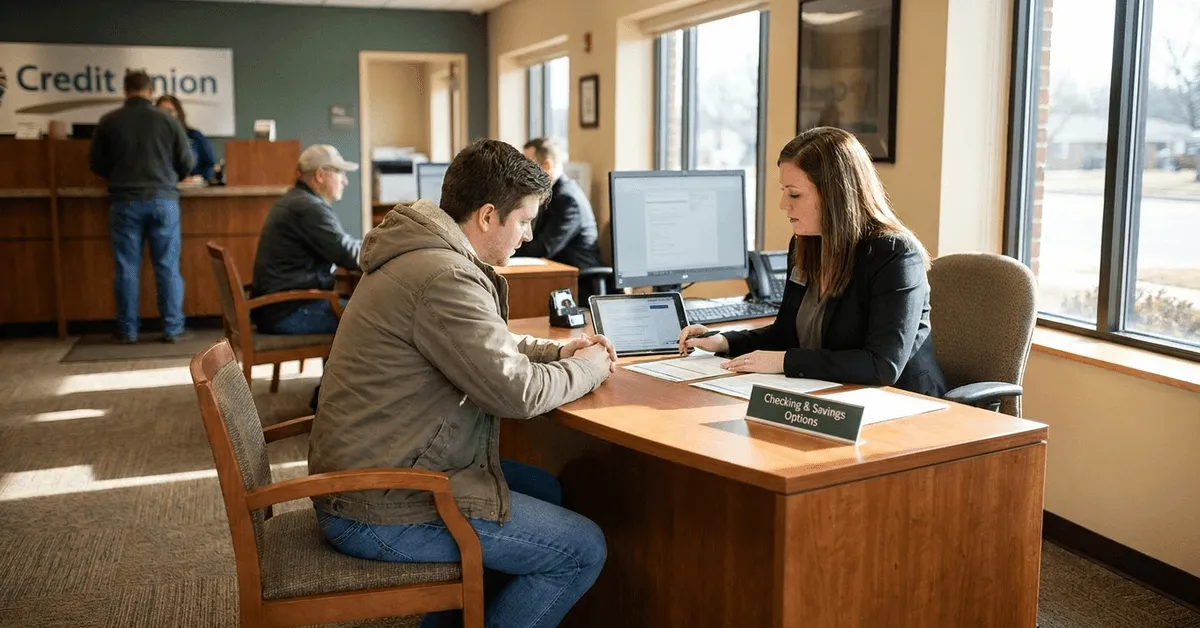
Can You Open a Bank Account With Bad Credit?
In many countries, the answer is yes. A basic transaction account usually holds your own money rather than lending you funds, so a poor credit score may matter less than it would for a loan or credit card.
Approval still depends on the provider, the account, and local rules. Identity verification, residency requirements, previous account misuse, and unpaid banking debts can all influence the final decision.
Some banks offer accounts without an overdraft facility, which reduces their lending risk. These can be a practical starting point, although monthly charges and service restrictions still deserve attention.
Why an Overdraft Changes the Picture
An overdraft allows spending beyond the available balance, making it a form of borrowing. A bank may assess creditworthiness separately before offering this feature, even when the underlying account is available.
For someone focused on stability, an account without borrowing features may be enough. Receiving wages, paying bills, and using a debit card often matter more than access to additional credit at this stage.
Bad Credit vs. Negative Banking History
A credit report generally records borrowing and repayment behavior. Depending on the country, it may include credit cards, loans, missed payments, defaults, and certain publicly available financial records.
Banking history concerns how previous deposit accounts were managed. An unpaid negative balance, suspected fraud, or an account closed for misuse may affect applications independently of a traditional credit score.
In the United States, some institutions use specialty consumer reporting agencies, including ChexSystems or Early Warning Services. Their records are distinct from the familiar nationwide credit bureau reports.
| Potential issue | What it concerns | Possible effect |
|---|---|---|
| Low credit score | Borrowing and repayment history | May affect overdrafts or accounts with credit features |
| Unpaid bank balance | Money owed on a previous account | May affect eligibility for another deposit account |
| Identity mismatch | Inconsistent or unverifiable personal details | May delay or prevent account opening |
| Suspected account misuse | Fraud or other account-related concerns | May trigger additional checks or refusal |
| Limited local history | Little information in the new country | May require alternative documents or a different provider |
Bank Account Options for People With Bad Credit
Basic Bank Accounts
A basic bank account generally focuses on essential services rather than borrowing. Depending on the provider, it may include incoming payments, transfers, a debit card, and access to online banking.
In the United Kingdom, fee-free basic bank accounts are available to eligible customers through designated providers. They generally do not offer an arranged overdraft, but eligibility checks still apply.
Second-Chance Checking Accounts
In the United States, some banks and credit unions offer second-chance checking accounts. These products may accommodate certain past account problems, although approval is never automatic.
Possible trade-offs include monthly fees, fewer features, or restrictions on checks and overdrafts. Some providers offer a route to a standard account after satisfactory use, but others make no such commitment.
Standard Accounts Without Borrowing Features
A standard checking or current account may still be available, even with poor credit. A specialized product is not always necessary, particularly when the main issue is loan repayment rather than account misuse.
Credit unions and community banks may also be worth considering. Their membership conditions, account screening, and fees vary, so being smaller or locally based does not necessarily mean easier approval.
Digital Accounts and Prepaid Alternatives
Digital accounts can be convenient, but an attractive app does not establish whether the provider is a bank. Some services hold funds through partner institutions, while others operate under different rules.
A prepaid card may help with everyday spending when a bank account is unavailable. However, loading fees, withdrawal charges, payment limitations, and different safeguarding arrangements can reduce its usefulness.
How Requirements Differ Around the World
There is no single worldwide rule for opening a bank account with bad credit. Account access rights, identification standards, reporting systems, and deposit protection depend on the jurisdiction involved.
Across the European Union, legally resident consumers generally have a right to a basic payment account, subject to applicable conditions. That does not create an unrestricted right to every account or bank.
Canada has rules supporting access to basic banking at federally regulated banks, subject to identification requirements and permitted refusal grounds. Other institutions may operate under different frameworks.
Elsewhere, simplified accounts or financial inclusion programs may offer another route. Local financial regulators and official consumer agencies are useful sources for checking current eligibility and protections.
How to Prepare a Bank Account Application
1. Clarify Which Services Are Actually Necessary
A useful starting point is a short list of essential services. Someone receiving wages and paying household bills may need different features from a freelancer accepting international transfers every week.
- Salary, pension, benefit, or other incoming payments
- Debit card access and affordable cash withdrawals
- Transfers, direct debits, and recurring bill payments
- Branch access, cash deposits, or customer support
- International payments and foreign currency spending
This distinction can prevent paying for features that add little value. An account with fewer extras may be more suitable than a premium package, especially when the immediate goal is reliable everyday banking.
2. Review Eligibility Before Applying
Published eligibility rules often cover age, residence, identification, and the intended use of the account. Some providers also restrict applications from people who already hold another usable account.
It may help to ask whether the application involves a credit check, a banking-history check, or both. The answer can explain which records matter, although staff may not be able to predict an approval decision.
3. Gather Consistent Identification Documents
Common requirements include government-issued identification, a residential address, and a tax identification number where applicable. Some banks also request employment details or information about income sources.
Requirements are not identical everywhere, and alternative documents may be accepted in certain circumstances. This can matter for newcomers, students, refugees, or people without conventional proof of address.
Consistent names, birth dates, and address details can reduce avoidable delays. A recent move or name change is not necessarily a problem, but supporting records may help explain differences between documents.
4. Understand Funding and Verification
Some accounts require an initial deposit, while others do not. A minimum opening deposit is different from an ongoing minimum balance, and confusing the two can lead to unexpected maintenance charges later.
An online application may also involve identity questions, document uploads, or additional verification. A request for more information does not necessarily mean the application has failed or credit is the problem.
What to Do if a Bank Account Application Is Denied
A rejection can be frustrating, but it does not identify the cause by itself. Where available, the refusal notice or an explanation from the provider may show whether documents, account history, or eligibility mattered.
In the United States, a denial based on a consumer report generally triggers an adverse action notice. This identifies the reporting company and explains relevant rights, including access to a free report.
The Consumer Financial Protection Bureau’s bank account resources explain common account issues and provide official guidance for U.S. consumers seeking help.
When the Information Is Incorrect
Incorrect account records can sometimes be disputed with the reporting agency and the institution that supplied them. Supporting evidence might include payment confirmations, closure letters, or identity theft records.
Accurate negative information usually cannot be removed simply because it is inconvenient. Resolving an unpaid balance may help, but it does not automatically erase a record or guarantee a future application.
When Another Account Type May Fit Better
If the refusal relates to previous account management, a second-chance option may be more relevant than another standard application. If identity verification failed, different documentation may be the better next step.
Repeated applications without understanding the problem can waste time and may trigger additional screening concerns. A more targeted approach gives each application a clearer purpose, even if progress feels slower.
Fees That Matter More Than an Approval Promise
An accessible account is not automatically an affordable one. A low advertised monthly charge can become expensive when cash withdrawals, transfers, replacement cards, or routine transactions carry separate fees.
The most useful comparison reflects normal monthly activity rather than an ideal month. For someone paid in cash, deposit access may matter more than a small interest payment on the account balance.
| Cost or condition | Why it matters | Useful comparison question |
|---|---|---|
| Monthly maintenance fee | Reduces the balance regularly | Is there a waiver, and is it realistic to meet? |
| Minimum balance | May affect fees or eligibility | Is the requirement daily, monthly, or opening-only? |
| ATM charges | Can accumulate with frequent withdrawals | Are convenient fee-free machines available? |
| Overdraft-related charges | May increase the cost of a shortfall | Which transactions can still create a negative balance? |
| International payment fees | Affect transfers and overseas spending | What fees and exchange-rate margins apply? |
| Cash deposit charges | Can matter for cash-based income | Where can cash be deposited, and at what cost? |
How to Recognize Safer Banking Options
Legitimate providers explain who operates the account, how fees work, and which protections apply. A promise of guaranteed approval, especially alongside an upfront payment to an intermediary, deserves caution.
Deposit insurance and safeguarding are not interchangeable. A regulated bank deposit may qualify for a statutory insurance scheme, while money held through a nonbank service may receive different protection.
Protection can depend on the legal entity, account structure, customer eligibility, and coverage limits. A familiar brand name alone is not enough to establish what would happen if the provider failed financially.
Sensitive documents belong only in verified application channels. Unsolicited messages requesting passwords, verification codes, or transfers to a so-called safe account are warning signs rather than normal onboarding.
Does Opening a Bank Account Improve Your Credit?
A standard bank account usually does not build credit simply because it stays open or receives regular deposits. Deposit activity and borrowing behavior are generally reported through different systems.
There can still be an indirect benefit: dependable bill payments and better cash-flow visibility may reduce missed obligations. That is useful financial progress, even when a credit score does not immediately change.
Credit-building products are a separate decision and may involve borrowing costs or other risks. There is no need to add debt merely to obtain a place for wages, essential spending, and a modest emergency buffer.
Keeping a New Account in Good Standing
Once an account is open, predictable use can help prevent another disruption. Balance alerts, a clear bill calendar, and a small cushion may reduce accidental shortfalls without requiring a complicated budget.
Available funds and displayed balances are not always identical. Pending card transactions, delayed deposits, merchant adjustments, and temporary holds can affect how much money is actually ready to spend.
Keeping contact details current also matters, particularly when a bank requests updated documents. An unanswered verification request can lead to restrictions even when the account has otherwise been managed responsibly.
A Practical Route Back to Reliable Banking
Opening a bank account with bad credit is often possible , but the right route depends on the real obstacle. Credit problems, negative banking records, and missing documents call for different solutions.
The strongest option is usually an eligible, affordable account that covers everyday needs without unnecessary borrowing. Clear fees, suitable payment tools, and verified protections matter more than reassuring marketing.
For eligible U.S. applicants, Capital One’s official 360 Checking page provides account details and access to its application. Availability and approval depend on the bank’s requirements.
That example is not a guaranteed-approval or worldwide option. For readers elsewhere, a locally regulated provider offering a suitable basic account may provide a more relevant path toward dependable everyday banking.