A convincing message, an unexpected phone call, or a stolen password can put everyday savings at risk. Bank fraud affects people worldwide, including those who already feel comfortable banking online.
Learning how to protect your bank account from fraud is less about spotting every possible trick and more about building reliable habits. Several small safeguards can work together to reduce your exposure.
This guide is for anyone using bank accounts, payment apps, cards, or online transfers. It explains practical protections, common warning signs, and realistic next steps if money or personal details are exposed.
How Bank Account Fraud and Scams Differ
Bank account fraud often involves someone accessing an account or making transactions without permission. Criminals may use stolen login details, compromised cards, or personal information gathered elsewhere.
A scam can work differently: the account holder is deceived into sending money or sharing access. The payment may look authorized to the bank, even though manipulation or impersonation caused it.
That distinction matters because reimbursement rules can differ between unauthorized transactions and payments someone was tricked into approving. Outcomes also depend on local law and the payment method involved.
Common Banking Scams and Their Warning Signs
Many scams begin with an ordinary-looking interaction rather than a technical attack. A message about a blocked account or suspicious purchase creates pressure before the recipient has time to reflect.
Scammers can copy logos, imitate familiar writing styles, and spoof caller identification. A recognizable name or number is therefore not reliable proof that a message genuinely came from your bank.
- Bank impersonation: Someone claims your money is at risk and asks for a transfer to a supposedly safe account.
- Phishing messages: An email or text leads to a convincing imitation of a banking login page.
- Fake support calls: A caller requests screen sharing, remote access, or approval of an unexpected transaction.
- Investment and relationship scams: Trust develops over time before requests for transfers, cryptocurrency purchases, or urgent financial help appear.
- Payment diversion: A criminal substitutes bank details on an invoice or impersonates someone expecting a legitimate payment.
The common thread is usually pressure, secrecy, or an unusual payment request. Even a detailed story becomes less convincing when the requested action would hand someone control of your money or account.
Stronger Passwords Reduce Account Takeover Risk
Unique Credentials for Financial Accounts
A unique banking password limits the damage if another website suffers a data breach. Reusing one password across shopping, email, and financial accounts gives criminals several doors to try with the same key.
Length generally matters more than predictable substitutions such as changing a letter to a symbol. A reputable password manager can generate and store long, distinct passwords without relying on memory alone.
Passkeys and Safer Recovery Options
Where a bank supports passkeys , they can offer stronger protection against phishing than passwords. Availability varies, and the security of the device and its recovery process still deserves attention.
Recovery questions can become a weak point when answers are available on social media. Where permitted, unpredictable answers stored securely are preferable to facts that acquaintances or strangers could discover.
Multi-Factor Authentication Adds Another Barrier
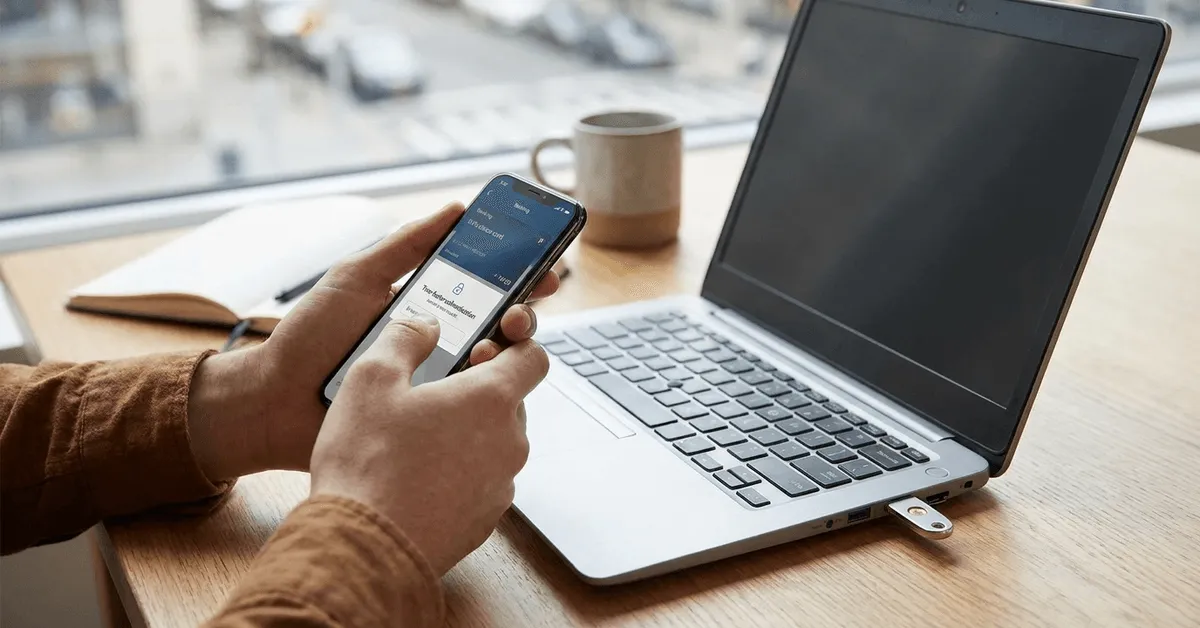
Multi-factor authentication, or MFA, asks for another form of verification beyond a password. This can make account takeover harder when stolen credentials are the only information a criminal possesses.
Not all methods provide equal protection. Where supported, phishing-resistant options such as passkeys or security keys are stronger choices; authenticator apps can also reduce reliance on text-message codes.
Text-message verification can still provide useful protection when stronger options are unavailable. However, phone-number takeover and deceptive requests for codes remain risks worth understanding.
The U.S. Cybersecurity and Infrastructure Security Agency explains how multi-factor authentication strengthens account security. Banking options vary by provider.
Verification Works Best Through a Separate Channel
An unexpected fraud warning may be genuine, but responding directly is not the only option. Opening the banking app independently or using a verified number provides a safer route to checking the account.
A number printed on a bank card or an established account statement is generally more dependable than one supplied in a suspicious message. Search advertisements can also lead to fraudulent support pages.
During a suspicious call, ending the conversation before contacting the bank independently can reduce pressure. A separate device may help if there is any concern that the original connection remains open.
One-time codes and approval prompts deserve special care. A caller asking for a code or an approval to reverse fraud may actually be trying to authorize a login, payment, or newly registered device.
Safer Bank Transfers Start Before Payment
Transfers can be difficult to recover once funds leave an account, particularly across borders or through fast payment systems. A brief verification step often has more value before payment than afterward.
For a new recipient, independent confirmation of account details can reduce payment diversion risk. This is especially useful when a supplier, landlord, or familiar contact suddenly announces changed banking details.
Recipient-name checks, where available, provide another signal rather than a guarantee. A mismatch deserves attention, while a matching name does not prove that the person requesting payment is trustworthy.
A small test payment can help confirm that account details work, but it cannot establish that a recipient is honest. Scammers may accept a small amount first to make a much larger transfer feel safer.
| Situation | Risk signal | Safer verification option |
|---|---|---|
| Bank warning call | A request to move money into a safe account | Independent contact through the banking app or card number |
| Changed invoice details | A new account supplied by email | Confirmation using a previously established contact method |
| Unexpected login approval | A prompt for an action you did not start | Account review through the official app |
| Urgent request from a relative | Secrecy or refusal to speak normally | A separate call to a number already known to you |
Account Alerts Can Shorten the Time to Discovery
Transaction alerts can make unusual activity easier to notice while there is still time to respond. Depending on the bank, notifications may cover purchases, transfers, cash withdrawals, or account changes.
Low-value alerts can be useful because criminals sometimes test stolen payment details with small transactions. At the same time, notification settings need to remain manageable enough that important alerts stand out.
Periodic statement reviews remain valuable even when alerts are active. Unfamiliar merchant names, duplicate charges, new recipients, or unexpected fees may deserve clarification through the bank's verified support channel.
Where available, lower transfer limits and temporary card controls can reduce exposure. Their usefulness depends on the account, and they do not necessarily block recurring charges or every type of transaction.
Email and Phone Security Protect Banking Access
A banking account does not exist in isolation. Email often receives password-reset messages, while a phone number may receive verification codes, making both attractive targets for account takeover attempts.
A unique email password and strong MFA help protect that recovery channel. Reviewing recovery addresses, forwarding rules, and signed-in devices may also reveal changes made by someone who gained access.
A mobile carrier may offer an account PIN or extra protection against unauthorized number transfers. These features vary by country and provider, but they can make certain phone-number takeover attempts harder.
Unexpected loss of mobile service can have an innocent explanation, although it can also signal a SIM swap. When it coincides with financial alerts, prompt contact with the carrier and bank becomes important.
Device Security Supports Safer Online Banking
Updated operating systems, browsers, and banking apps reduce exposure to known security weaknesses. Automatic updates can help, especially on devices used regularly for payments, email, and account recovery.
Official app stores and a bank's independently verified website are safer starting points for finding banking software. Even then, developer details and app authenticity deserve attention before installation.
Screen locks and device encryption help protect stored information if a phone or laptop disappears. A shared device introduces additional risks, particularly when passwords or active banking sessions remain accessible.
Public Wi-Fi is not automatically unsafe, and encrypted connections provide meaningful protection. Still, mobile data or a trusted network may be preferable, especially when a network requests unusual downloads.
A VPN does not make a fraudulent website trustworthy or prevent someone from approving a scam payment. It addresses some network privacy risks, not every threat involved in online banking or identity theft.
Personal Information Can Make Scams More Convincing
Criminals may combine public posts with information from data breaches to build a persuasive story. Knowing your name, address, or recent activity does not prove that a caller represents a legitimate institution.
Bank statements, identity documents, card photographs, and account screenshots can expose useful details. Sharing only what is necessary through a verified, appropriate channel reduces avoidable information leakage.
Family conversations can help establish a simple verification habit for urgent money requests. A familiar voice or video is no longer conclusive evidence of identity because convincing impersonation tools exist.
What to Do If Bank Fraud Is Suspected
Once suspicious activity appears, speed matters more than achieving certainty about every detail. A bank may be able to restrict access, block a card, or attempt a payment recall, depending on the circumstances.
- Contact through a verified channel: The bank's official app, card number, or established statement can provide a dependable starting point.
- Describe the incident accurately: Whether someone accessed the account or persuaded you to approve a transfer can affect the bank's response.
- Secure affected accounts: From a trusted device, password changes and removal of unfamiliar sessions may limit continuing access.
- Preserve available evidence: Messages, receipts, account details, timestamps, and case numbers can support an investigation.
- Consider local reporting: Police, national fraud-reporting services, or consumer authorities may provide additional guidance.
If remote-access software was involved, using a separate trusted device for recovery can be safer. Disconnecting the affected device from networks may limit continued access while qualified assistance is arranged.
Recovery scams often target people who have already lost money. An unsolicited promise to retrieve funds for an advance payment is another warning sign, even when the person claims official connections.
Reporting, Recovery Support, and Consumer Rights
There is no universal reimbursement rule for bank fraud. Reporting deadlines, customer responsibilities, transfer protections, and dispute procedures differ across countries, institutions, and payment services.
Written confirmation of a fraud report and a record of case numbers can make follow-up easier. If a dispute remains unresolved, a local financial ombudsman or regulator may explain the available escalation process.
For identity theft affecting U.S. readers, a free official recovery option is available through the FTC's identity theft reporting and recovery service, which offers tailored recovery steps.
Readers elsewhere may find comparable assistance through their national consumer authority or cybercrime reporting service. These reports support recovery efforts but do not guarantee repayment of stolen funds.
Conclusion: Strong Habits Make Bank Fraud Harder
Protecting a bank account does not require predicting every new scam. Unique credentials, stronger authentication, independent verification, and useful alerts create layers that make many common attacks harder.
Perhaps the most valuable habit is allowing time for a second check when money is involved. Urgency can be manufactured, while a genuine request can usually withstand verification through a trusted channel.
For anyone reviewing their banking security today, checking authentication settings and contact details is a practical starting point. If fraud has already occurred, verified bank support is the priority.