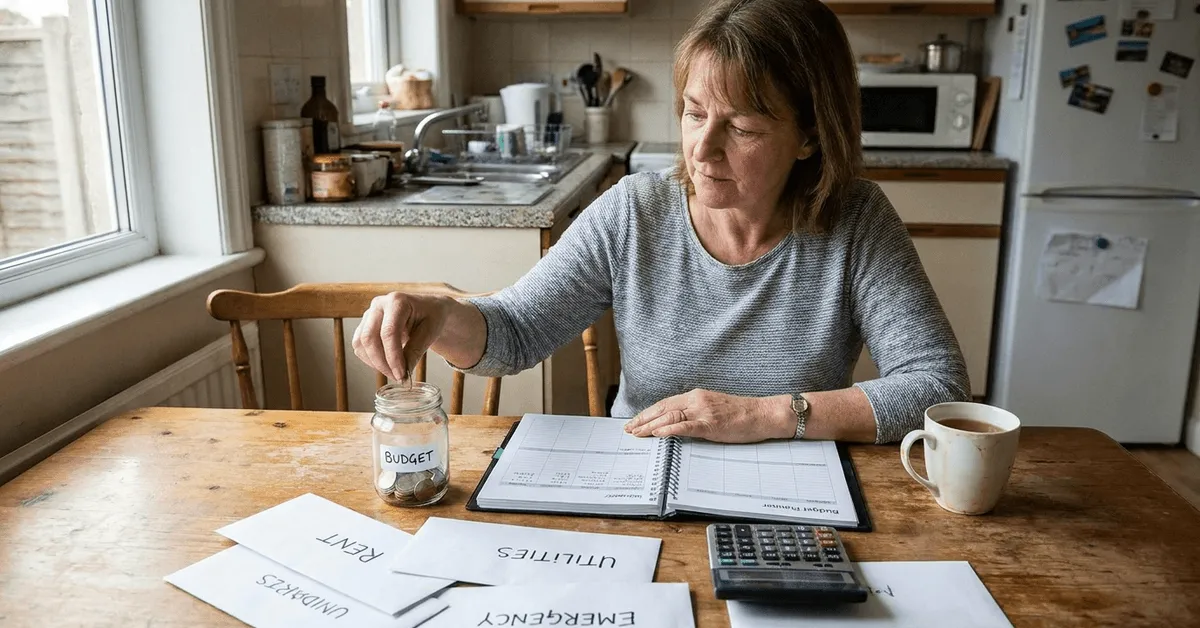
An unexpected bill can disrupt a carefully balanced household budget. Without savings, even a modest expense may lead to costly borrowing. An emergency fund creates breathing room when life becomes expensive.
Learning how to build an emergency fund from scratch starts small. This guide is for beginners, irregular earners, and households rebuilding savings after a difficult period or an expensive surprise.

The aim is not to save an impressive amount as quickly as possible. It is to create a useful cash buffer without ignoring today's bills. A realistic system often matters more than a perfect starting balance.
What an Emergency Fund Is Actually For
An emergency fund is money reserved for necessary, unexpected costs. Examples include urgent medical treatment, essential home repairs, or basic living expenses during an interruption to household income.
The defining features are necessity, urgency, and unpredictability. A broken refrigerator may qualify if replacing it cannot wait. A discounted holiday usually does not, even when the offer feels urgent.
Some expensive bills are predictable, although they arrive infrequently. Annual insurance premiums, school supplies, and routine servicing generally belong in separate savings categories rather than emergency cash.
This distinction protects savings from becoming a general spending pot. It also makes financial planning less discouraging: a planned bill does not have to feel like another emergency that erased your progress.
How Much Should an Emergency Fund Cover?
A common long-term benchmark is three to six months of essential costs . That range is a starting framework, not a requirement for everyone. The right amount depends on the risks your household actually faces.
Essential expenses usually include housing, basic food, and utilities. They may also include transport, insurance, necessary healthcare, childcare needed for work, and minimum payments on existing debts.
Someone with reliable income and strong benefits may need less cash than a self-employed worker supporting several family members. Job security, health needs, and local safety nets all affect the calculation.
The calculation uses essential spending rather than your full salary. If basic monthly costs equal 1,200 in your local currency, a reserve covering three months would be 3,600, while six months would be 7,200.
| Essential monthly spending | One-month reserve | Three-month reserve | Six-month reserve |
|---|---|---|---|
| 600 | 600 | 1,800 | 3,600 |
| 1,200 | 1,200 | 3,600 | 7,200 |
| 2,000 | 2,000 | 6,000 | 12,000 |
These examples work in any currency because the method is proportional. They are illustrations, not recommended balances for every country. Local living costs and personal obligations determine the useful target.
Starting With a Small Emergency Fund Milestone
A target covering several months can feel distant when savings are zero. A starter emergency fund makes the first stage more manageable. Its purpose is to absorb a smaller shock before it becomes expensive debt.
The first milestone might equal one common unexpected household bill. For one person, that could mean an essential appliance repair. For another, it might cover urgent transport or a medical insurance excess.
After that first buffer, one week of essential expenses offers a next step. One month can follow, with larger reserves built gradually afterward. Smaller milestones make progress visible without changing the overall goal.
A modest balance is not a failed version of a larger emergency fund. Even partial coverage can reduce the amount that must be borrowed. That reduction may mean fewer interest charges and less pressure next month.
Finding Room in a Budget Without Ignoring Basic Needs
A useful starting point is the difference between income and spending. Recent bank statements can reveal that gap more clearly than memory. Several months of records help capture bills that do not arrive every week.
Some expenses are fixed, while others vary or can be renegotiated. Unused subscriptions and avoidable account fees may offer room. Housing, medicines, and adequate food deserve a different level of protection.
The most sustainable savings amount leaves space for ordinary life. A transfer that repeatedly causes an overdraft is probably too large. Smaller contributions can work better when they remain affordable consistently.
Sometimes the problem is insufficient income, not careless spending. Benefits, hardship arrangements, or nonprofit debt support may matter more than cutting another small purchase from an already strained budget.
Making Emergency Savings a Repeatable Habit
A recurring transfer can turn saving money into a routine budget item. For regular earners, scheduling it after payday may reduce friction. The transfer still needs to leave enough money for bills due before payday.
Keeping emergency savings separate from everyday spending adds clarity. A clearly named account can make its purpose easier to remember. Separation helps, although instant access remains important in a real crisis.
Automation is useful only when it matches the way money arrives. Someone paid unpredictably may prefer a small manual transfer after each payment rather than a fixed instruction that risks overdraft fees.
A missed contribution does not cancel the value of earlier deposits. Savings habits usually develop through adjustments, not perfect streaks. The relevant question is whether the arrangement still fits current cash flow.
Building an Emergency Fund With Irregular Income
Freelancers, seasonal workers, and commission earners face extra uncertainty. Their savings plan must account for both unexpected expenses and the ordinary differences between stronger and weaker income months.
A conservative budget can use a lower-income month as its baseline. Higher earnings then create room for reserves after essential costs, business obligations, and any required tax allocations have been covered.
A percentage-based contribution may fit variable income better. For example, saving 5% of each payment adjusts the deposit naturally. The percentage remains a personal choice, not a universal financial rule.
A separate income-smoothing buffer can also help with predictable gaps. That money covers normal slow periods rather than genuine surprises. Separating these purposes makes the emergency fund balance more meaningful.
Where to Keep an Emergency Fund Safely
Access and Protection Come Before Maximum Returns
The main priorities are accessibility, stability, and low account costs. An emergency fund is not primarily a way to maximize investment returns. Its job is to remain available when other parts of life become uncertain.
A savings account at an appropriately regulated institution may fit. Deposit protection depends on local rules, account eligibility, coverage limits, and the institution holding the money behind a familiar brand.
Interest Rates Are Only Part of the Comparison
Account comparisons also involve withdrawal rules and transfer speed. Minimum balances, monthly fees, and introductory interest conditions can matter more than a slightly higher advertised savings interest rate.
Shares, cryptoassets, and locked investments can be poor substitutes. Their value may fall, or access may be restricted when money is needed. Inflation matters, but emergency cash serves a different purpose from investing.
Balancing Emergency Savings and High-Interest Debt
Saving while carrying expensive debt can feel contradictory, understandably. Debt interest may exceed the return available on a savings account. Yet having no cash buffer can make the next surprise another borrowing event.
One possible approach combines a small starter reserve with debt repayment. After that initial cushion, more spare money may go toward costly debt. The balance depends on interest rates, income stability, and essential risks.
Minimum contractual payments and urgent priority bills still matter.Missed housing payments or essential utility bills can carry serious risks. Building savings generally should not depend on deliberately neglecting them.
When repayments are already unmanageable, generic savings targets may not fit. Qualified local debt advice can help clarify realistic options. Rules on collections, hardship support, and debt relief differ across countries.
How Long Does It Take to Build an Emergency Fund?
A basic timeline divides the remaining savings goal by regular deposits. A target of 1,200 with monthly contributions of 100 takes 12 months, assuming no withdrawals, fees, interest, or changes to the contribution amount.
That estimate is useful for planning, but real progress is rarely smooth. An unexpected repair may reduce the balance halfway through the year. The fund has still performed its purpose if it helped cover a necessary cost.
Occasional extra income can shorten the timeline without becoming essential. A genuine bonus, tax refund, or sale of unused belongings may help. Money needed for taxes or upcoming bills is not spare cash for this purpose.
Increasing deposits after a pay rise can also accelerate progress. However, higher earnings sometimes arrive alongside higher essential costs. A sustainable increase matters more than committing every additional unit earned.
When to Use the Fund and How to Rebuild It
A simple decision test asks whether an expense is necessary and unexpected. It also considers whether payment can reasonably wait without harm. These questions reduce impulse withdrawals while allowing genuine flexibility.
Urgent dental treatment may qualify; a routine planned checkup usually differs. A work-critical repair may also qualify when alternatives are limited. The same purchase can have different importance in different households.
After a withdrawal, the next savings target may temporarily become smaller. Rebuilding the starter cushion first can restore some immediate protection. Larger milestones can follow once ordinary bills are manageable again.
Periodic reviews help the reserve reflect changes in actual living costs. A new dependent, relocation, or loss of employer benefits may raise the target. Lower expenses or stronger support can sometimes justify a different balance.
Applying for an Emergency Savings Account: An Official Example
There is no single emergency fund application available worldwide. An emergency fund is usually your own savings, held in a suitable account. Applications, identity checks, and eligibility depend on the provider and country.
For eligible UK savers, NS&I provides a government-backed savings example. Its official Direct Saver information and application page explains current terms. This country-specific option is not a universal recommendation or endorsement.
Readers considering an application can review eligibility on that official page. Current withdrawal arrangements, interest terms, and access requirements deserve attention before any application or transfer of emergency savings.
Conclusion: Financial Security Starts With a Useful First Buffer
Building an emergency fund from scratch does not require a dramatic first deposit. It requires a realistic purpose, accessible savings, and room to contribute. Small amounts become valuable when they reduce reliance on costly borrowing.
The strongest target reflects your essential expenses and actual financial risks. Someone else's balance is not a reliable measure of your own progress. A reserve that works for your household matters more than an impressive number.
Over time, that first cushion can grow into several months of breathing room. Its greatest return may be the freedom to handle a setback more calmly. Financial resilience begins when an unexpected bill no longer removes every option.