Finding free samples by mail without paying shipping is possible, but genuine offers come with limits. Availability depends on location, household eligibility, stock, and the purpose of each campaign.
This guide is for people who want to try products without buying them, paying delivery fees, or accidentally joining a subscription. It explains how legitimate sampling works and where unexpected costs can appear.
The useful distinction is not between a small sample and a large one. It is between an offer that costs nothing to receive and an arrangement that shifts the expense into shipping, membership, or future payments.
What Free Samples With Free Shipping Actually Mean
A genuinely free mailed sample has no product charge and no mandatory delivery payment. The brand, retailer, or research company covers those costs because the campaign serves a marketing or product research goal.
That does not mean every offer is available without conditions. Participants may need to meet eligibility rules, answer questions, or provide feedback. Those requirements should be explained before enrollment.
A sample described as free with a purchase belongs in another category. The item may have no separate price, but receiving it still requires spending money. The same distinction applies to paid subscription boxes.
No shipping charge also differs from free delivery above a spending threshold. When a checkout requires a minimum order, the offer is not a standalone way to receive a product without making a purchase.
Why Companies Send Products Without Charging
Product sampling gives companies a way to introduce unfamiliar items and learn how people respond. A small trial can reduce uncertainty for shoppers while helping a brand understand demand, packaging, or usability.
Some campaigns support a new launch, while others focus on an existing product entering another market. Brands may want feedback from a narrow audience rather than the largest possible number of people who register.
This explains why qualification questions can feel surprisingly specific. A pet food campaign may need households with a certain animal, while a cleaning trial may depend on flooring, appliances, or household routines.
The commercial benefit belongs to the company, but participation can still be useful for the recipient. Trying a suitable product at home may prevent a disappointing purchase, although it does not guarantee savings.
Where Legitimate Free Product Samples Come From
Official Brand and Manufacturer Campaigns
Manufacturers sometimes run sample requests through their own websites or verified campaign partners. These promotions usually identify the product, eligible territory, available quantity, and basic participation terms.
A familiar brand name alone does not establish that a page is genuine. Imitation promotions can copy logos and product photographs. The website address and its relationship to the actual company matter more than design.
Established Sampling and Product Testing Programs
Sampling platforms connect brands with potential participants and may manage registration, matching, delivery, and feedback. Some distribute small trial sizes; others run selective tests involving full-size products.
For a concrete example, SampleSource’s official sampling website explains its program for the United States and Canada. Current release details and eligibility determine whether a visitor can request samples.
How Eligibility Works for a Worldwide Audience
Most mailed sampling campaigns are local or regional rather than global. A website may accept visitors worldwide while restricting delivery to one country, selected provinces, or a limited group of postal addresses.
These limits often reflect distribution costs, labeling requirements, and the markets where a product is sold. An international audience can use the same evaluation process without expecting identical local offers.
Location settings are therefore more than a website preference. A country-specific program may use its own account system, campaign terms, and privacy policy, even when it shares branding with an overseas version.
Forwarding services usually undermine the goal of receiving free samples. They can add handling charges, international postage, or customs costs, and some campaigns exclude forwarding addresses entirely from eligibility.
The Usual Application and Delivery Process
Registration commonly begins with an email address and a household profile. Depending on the campaign, applicants may also provide an age range, shopping preferences, household size, or categories they regularly use.
A completed profile is not the same as an approved sample request. Some programs invite matching members later, while others open limited request windows. In either case, registering does not guarantee a shipment.
When an applicant qualifies, the next stage may involve confirming an address and accepting campaign conditions. A genuine no-cost application should explain any required activity without introducing a delivery payment.
Dispatch times vary because sampling is not ordinary retail fulfillment. Campaigns may wait for applications to close before shipping products, and low-value sample mailings do not always include individual tracking.
Product Categories Commonly Used in Sampling
Personal Care and Household Products
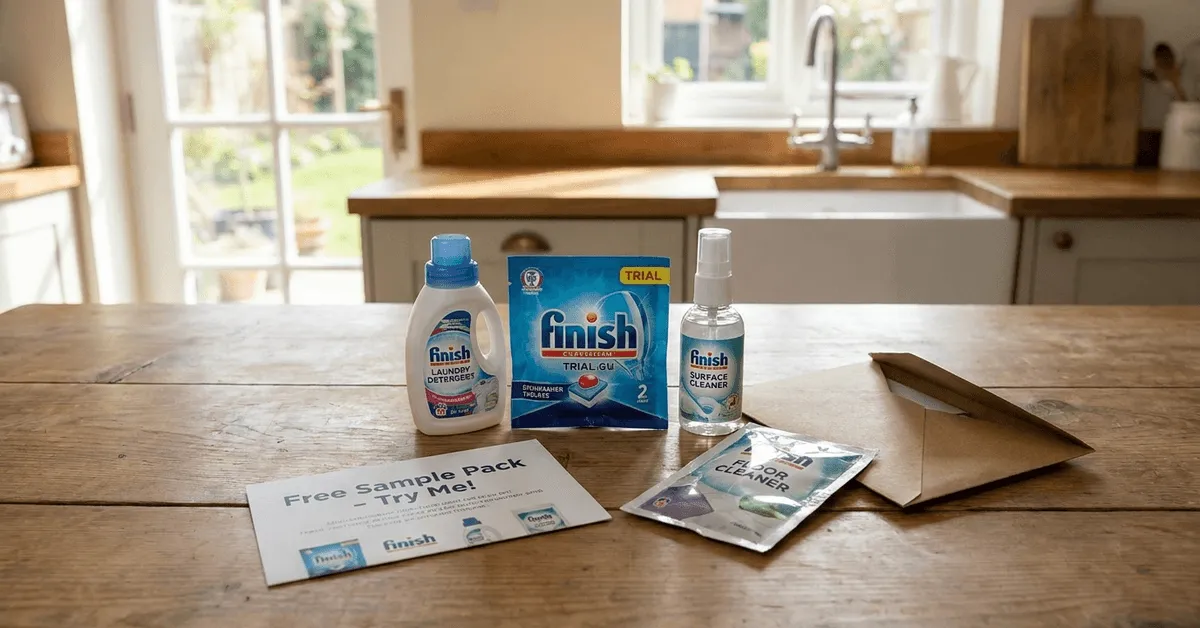
Shampoo sachets, moisturizer packets, laundry doses, and cleaning products are practical sampling formats because a small amount can demonstrate basic features. Their size also makes distribution less expensive for brands.
Beauty samples can help someone assess texture, fragrance, or packaging, but a brief trial has limits. It cannot establish long-term results, and even a small quantity may cause irritation or an allergic reaction.
Food, Pet Products, and Other Trials
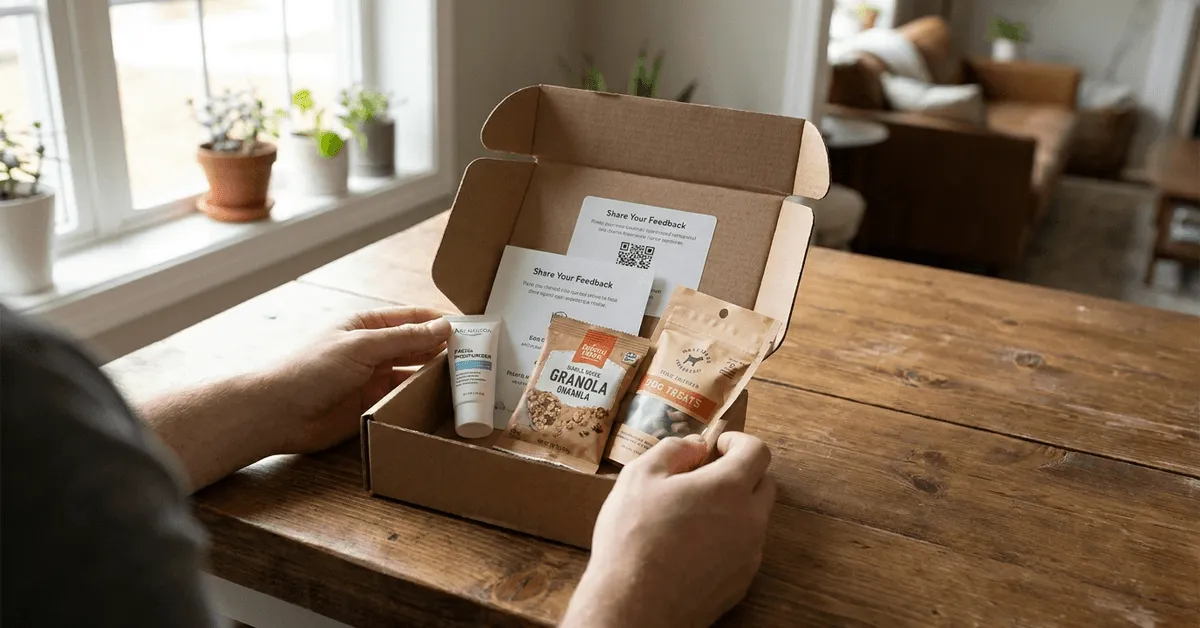
Packaged snacks, beverages, and pet food also appear in sampling campaigns. Availability depends on local regulations and delivery conditions, while perishable items usually require more controlled distribution arrangements.
Free products still require the same safety checks as purchased ones. Ingredient lists, allergen statements, age restrictions, storage guidance, and suitability for a particular person or animal remain important.
How Hidden Charges Change a Free Sample Offer
The clearest warning sign is a delivery fee attached to an allegedly no-cost mailed sample. Even a small handling charge means the offer does not meet the goal of receiving a product without paying shipping.
Some promotions use a free trial model rather than a sampling model. A customer receives an introductory item but authorizes later billing, often unless cancellation happens within a stated period after enrollment.
Card details, payment authorizations, and recurring order language deserve particular attention. These features may belong to a lawful paid offer, but they are not necessary features of a genuinely free mailed sample.
Another variation involves buying a product first and requesting money back later. That is a reimbursement arrangement, not a no-payment sample, and approval rules or processing delays can leave the buyer out of pocket.
Scam Signals and Website Safety
Fraudulent sample pages often promise unusually valuable products to almost everyone. A supposed free phone, luxury bundle, or unlimited supply may be a way to collect personal information rather than deliver anything.
Other warning signs include unexplained redirects, unrelated surveys, requests for bank credentials, or demands to install software. A normal physical sample request has no reason to require remote access to a device.
An encrypted connection helps protect information in transit, but the padlock symbol does not prove that a business is trustworthy. Deceptive websites can use encryption too, alongside convincing logos and page layouts.
Browser security warnings are another reason to pause an application. No article, directory, or familiar-looking promotion can guarantee that every linked website will remain safe or that a campaign cannot change.
Privacy: What a Free Sample Can Cost in Data
Although no money changes hands, a sampling program may collect useful consumer information. Contact details, preferences, and survey answers can support campaign matching, market research, or permitted marketing.
A mailing address is normally relevant when a physical item must arrive. By contrast, a request for a banking password or unrelated identity documents would be difficult to justify for an ordinary household sample.
Marketing consent and campaign participation are not always identical. Some forms distinguish optional newsletters from necessary service messages, while others explain additional data uses within their terms and privacy notice.
Privacy rights differ by jurisdiction, including rights relating to access, deletion, and marketing objections. Account closure may not erase every record immediately when a company has a lawful reason to retain it.
Product Testing, Reviews, and Honest Feedback
Product testing often asks for more involvement than a simple sample drop. A campaign may require use over several days, a questionnaire, photographs, or a review. The obligations should be clear before participation begins.
Receiving a free item does not make a positive review appropriate by default. Useful feedback describes the actual experience, including any limitations, rather than repeating promotional claims supplied by a brand.
When feedback is published publicly, the free product may create a material connection that requires disclosure under applicable rules. Platform policies can impose disclosure requirements as well as local law.
A sample also does not provide evidence for broad health or performance claims. Personal impressions can explain scent, convenience, or usability, but they cannot establish that a product treats a condition or works for everyone.
Realistic Expectations About Availability and Value
There is no dependable timetable for receiving free products by mail. One person may qualify for several campaigns, while another receives none for months. Brand budgets and audience requirements influence those outcomes.
Limited quantities can disappear quickly, but urgency is not proof of legitimacy. A genuine campaign can close when stock runs out; a deceptive page can display a countdown that restarts whenever the page is refreshed.
The value of an offer depends partly on whether the product is useful. A small sample of something already relevant to a household may provide more practical value than a larger item that will never be opened.
Time matters too. Repeated surveys, extensive profile forms, and required reviews can outweigh the value of a tiny product. Free sampling works best as an occasional benefit, not a reliable source of essential supplies.
Conclusion: Truly Free Samples Start With Clear Terms
The most reliable approach to free samples by mail is understanding the exchange: a company funds a limited trial, and eligible participants may provide information or feedback without paying for the item or delivery.
Clear eligibility rules, transparent privacy information, and no mandatory payment make an offer easier to assess. Guaranteed acceptance, hidden subscriptions, or requests for sensitive credentials point in another direction.
For readers interested in applying, Home Tester Club’s official website provides country selection and access to its product testing program. Participation depends on local availability, campaign criteria, and selection.