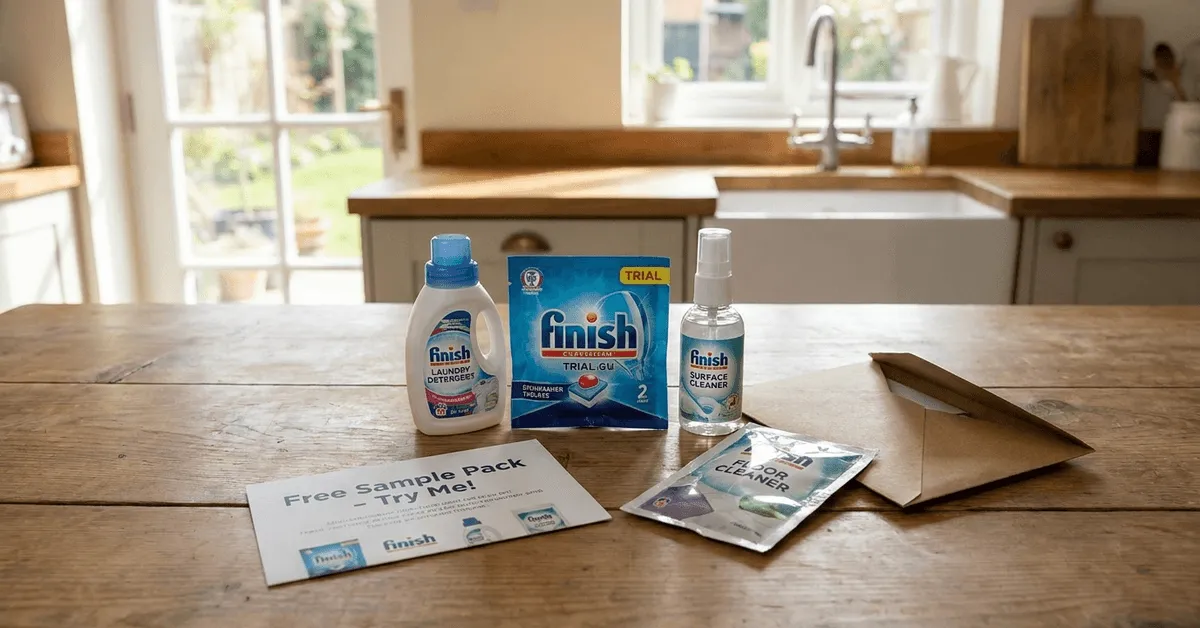
Finding free beauty and skincare samples online can make trying unfamiliar products less expensive. The challenge is separating genuine opportunities from misleading offers and unnecessary purchases.
This guide is for anyone curious about skincare, makeup, or haircare who wants to understand how sampling works. It explains common requirements, regional restrictions, privacy concerns, and realistic expectations.
A sample can help you explore a texture, shade, or fragrance before buying a larger size. Still, availability varies, and a small sachet cannot answer every question about a product's suitability or long-term results.
What Counts as a Truly Free Beauty Sample?
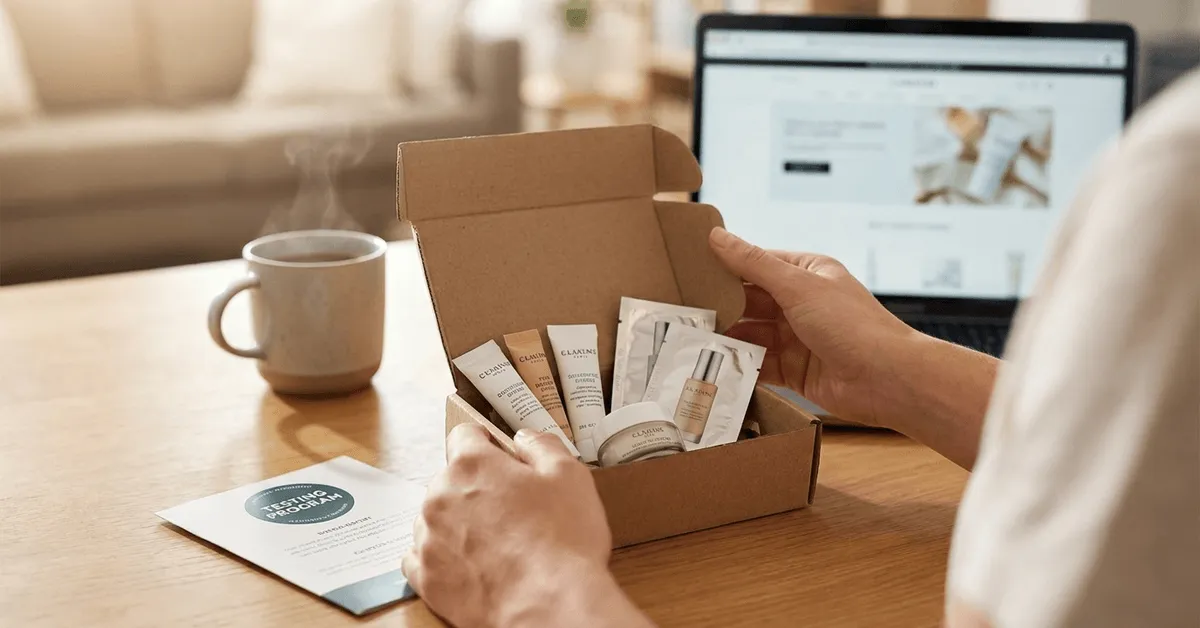
A genuinely free sample has no required product payment or delivery charge. Some programs request feedback instead, so the exchange may involve your time and information rather than money changing hands.
Other offers include a complimentary item only after a qualifying purchase. These can be useful extras, but they are different from free samples without purchase and should not be treated as equivalent.
Shipping-only offers deserve a separate category. Even when the item costs nothing, a delivery fee means the overall transaction is not free, and its value depends on the quantity and any additional conditions.
The clearest offers explain the product size, eligibility rules, delivery arrangements, and any feedback obligations before enrollment. Missing details do not prove fraud, but they make an offer harder to assess.
Where Legitimate Free Skincare Samples Usually Come From
Official Beauty Brand Campaigns
Beauty brands sometimes distribute samples when introducing a new formula or promoting an existing range. Campaigns may appear on an official website, through an email newsletter, or within a verified account.
These promotions often have limited stock and a defined delivery area. An offer visible on a global social account may still serve only one country, so international visibility does not mean worldwide eligibility.
Retailer Sampling and Loyalty Programs
Beauty retailers may provide sample choices at checkout, occasional member rewards, or targeted trial invitations. Membership itself can be free, while a particular sample offer may still require a purchase.
Loyalty points also have an opportunity cost if they could cover something else. A miniature redeemed with points is better described as a reward than a completely free product, even when no cash is collected.
Consumer Product Testing Communities
Product testing communities connect participating brands with people who match a campaign's audience. Selection may reflect location, beauty routines, skin concerns, shopping habits, or other screening answers.
Some campaigns provide small samples, while others send full-size products for evaluation. Neither format is guaranteed, and joining a community does not create an entitlement to receive products regularly.
How Beauty Product Testing Applications Work
The usual process starts with an account and a personal profile, followed by occasional screening questions. These help determine whether a person matches a specific campaign rather than a general mailing list.
A skincare campaign might target people who already use moisturizer but have never tried a particular brand. Another may seek shoppers with a certain hair texture, age range, or established cosmetic preference.
Accurate profile information matters more than trying to guess an ideal answer. Inconsistent responses can weaken the usefulness of feedback and may conflict with the testing community's participation rules.
After selection, a campaign may require confirmation, an address, and agreement to its tasks. Those tasks might include a questionnaire, a product review, or another clearly described form of feedback after testing.
Official Platforms That Offer Beauty Testing Opportunities
Influenster
Influenster is a product discovery and review platform that offers sampling opportunities to selected members. Beauty can be one of several product categories, depending on the campaigns available in a market.
Its official website is a starting point for understanding membership and current program information. Access, selection requirements, and campaign tasks can change, so older descriptions may no longer apply.
BzzAgent
BzzAgent operates consumer product testing campaigns that can include beauty and personal care items. Participation depends on matching an available campaign, not simply creating an account or expressing interest.
Details about supported locations and participant responsibilities belong in the program's current terms. A platform being legitimate does not mean every visitor can enroll or receive the same opportunities.
| Sample source | Typical requirement | Important limitation |
|---|---|---|
| Official brand campaign | Registration or a short application | Limited quantities and delivery regions |
| Retailer checkout sample | An eligible order | Usually not free without purchase |
| Product testing community | Profile matching and campaign feedback | Selection is not guaranteed |
| Loyalty program reward | Membership, points, or account eligibility | Rewards may use points with other value |
Why Free Beauty Samples Vary by Country
Sampling budgets, distribution agreements, and local product rules influence where brands run campaigns. A promotion available in one country may have no equivalent elsewhere, even when the brand sells globally.
Address requirements can be strict because fulfillment partners serve defined territories. Parcel forwarding may be excluded, and using an unsupported address can result in cancellation or unexpected costs.
International shipping can also introduce customs charges, taxes, or delivery complications. A free item is not necessarily free to receive when it crosses a border, particularly if duties are payable locally.
For a worldwide audience, local versions of official brand websites often provide more relevant information than overseas offer lists. Local terms can clarify delivery coverage, age requirements, and stock limits.
How to Recognize Misleading Sample Offers
A common warning sign is a free sample that becomes a paid subscription during checkout. Trial pricing, recurring delivery, and cancellation conditions may appear separately from the headline describing the product.
Another concern is a page demanding payment details before clearly identifying the supplier or explaining charges. A recognizable logo alone does not establish that a brand owns or authorizes the website.
Urgent countdowns and claims that everyone qualifies are not proof of dishonesty, but they deserve scrutiny. Genuine sampling programs can have deadlines without promising guaranteed products to every applicant.
HTTPS protects data while it travels between a browser and website; it does not establish that an offer is trustworthy. Domain spelling, transparent terms, and verifiable ownership provide additional context.
Privacy and Personal Information in Sample Applications
A delivery address is usually necessary when a company sends a physical product. Questions about preferences can also be relevant, but requests for unrelated sensitive information deserve closer consideration.
Banking credentials, account passwords, and identity documents are not ordinary requirements for a basic beauty sample request. Any unusual demand needs a clear, credible explanation before it can be evaluated.
A privacy notice can explain who collects information, why it is needed, and whether it is shared. Marketing permissions may be separate from campaign administration, although the exact arrangement varies by service.
A dedicated email address can make sampling messages easier to organize and reduce clutter in a main inbox. It does not prevent data collection, so privacy settings and consent choices still matter.
What a Skincare Sample Can Actually Tell You
A small sample is often enough to assess texture, scent, spreadability, and how a formula sits under makeup. It may also reveal immediate discomfort, although a comfortable first application cannot guarantee tolerance.
Longer-term claims are harder to evaluate from a sachet or miniature. Changes involving acne, pigmentation, or fine lines may require consistent use, and results depend on the formula, routine, and individual skin.
Ingredient information and directions remain important even when the product is free. Small packaging may provide limited space, making the manufacturer's official product information particularly useful.
Sensitive skin can react to products marketed as gentle, natural, or suitable for everyone. Those descriptions are not guarantees, and an unfamiliar product can still cause irritation or an allergic response.
Using Beauty Samples With Realistic Safety Expectations
A cautious introduction can make it easier to identify which product causes a reaction. Trying several unfamiliar formulas together may save time, but it also makes irritation and unexpected changes harder to trace.
Testing a small amount according to product guidance may reveal some sensitivity, but it cannot rule out every reaction. A known allergy or ongoing skin condition may warrant advice from a qualified clinician.
Broken seals, unusual odors, and unclear labeling can undermine confidence in a sample's condition. Products from unknown resellers may also have uncertain storage histories, even if their packaging looks familiar.
A sunscreen sample has a practical limitation: a tiny packet may not contain enough for the intended application and reapplication. Its usefulness depends on the amount supplied and the labeled usage directions.
Reviews, Disclosures, and the Real Cost of Participation
A free product does not require a positive opinion. Useful feedback describes what happened during use, including limitations, rather than repeating promotional claims or promising that others will get the same result.
When a review follows a gifted sample, that relationship may need clear disclosure under local advertising rules and platform policies. Transparency helps readers distinguish a personal purchase from an incentivized trial.
Time is another cost. Screening forms, delivery coordination, testing, and reporting can add up, especially when selection is infrequent. The value of participating depends partly on whether those tasks feel worthwhile.
Full-size products can sound more rewarding than sachets, but size alone does not make a campaign suitable. An unwanted formula with extensive reporting duties may be less useful than a small, relevant sample.
Common Questions About Free Beauty and Skincare Samples Online
Can Samples Arrive Without a Purchase?
Yes, some brand promotions and testing campaigns do not require a purchase. However, availability changes, and an offer may still require registration, eligibility screening, or feedback after the product arrives.
Are Full-Size Beauty Products Ever Included?
Some testing campaigns distribute full-size items because participants need enough product for a meaningful trial. That does not mean all campaigns do so, and the word sample does not identify a standard package size.
How Long Does Delivery Usually Take?
There is no reliable delivery schedule that applies to every program. Campaign timing, stock preparation, and postal conditions all matter. An application confirmation is not necessarily a shipping confirmation.
Does Joining More Platforms Guarantee More Samples?
More memberships may expose someone to additional opportunities, but they also increase emails and data sharing. Campaign matching, available stock, and location still determine whether any invitation leads to delivery.
A Smarter Way to Explore Free Beauty Samples
The real value of free beauty and skincare samples online is not collecting the largest number of packages. It is learning which products might suit your needs without committing to unnecessary full-size purchases.
Clear terms, realistic expectations, and careful handling of personal information make the process more useful. A legitimate opportunity should remain understandable even after its promotional wording is stripped away.
For anyone ready to explore applications, Influenster's official website and BzzAgent's official website provide starting points. Current eligibility and campaign availability determine whether participation is possible.