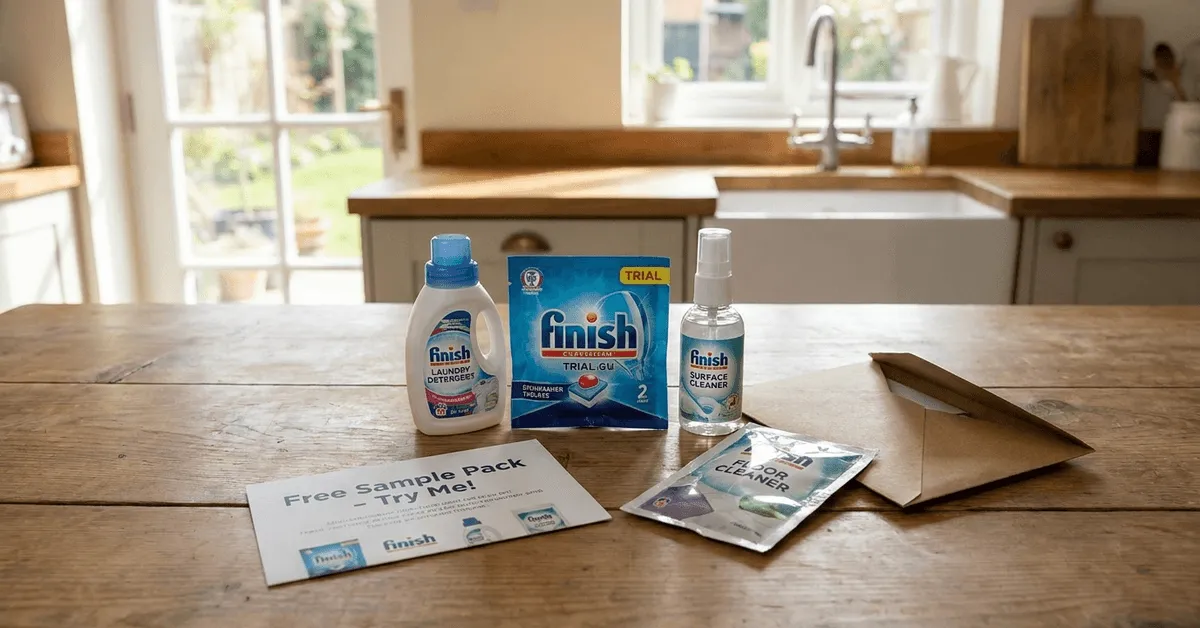
Free perfume samples can make fragrance shopping less expensive and more informed. For anyone comparing popular brands, small testers offer a useful first impression. The challenge is finding legitimate opportunities.
What Free Perfume Samples Actually Include
A perfume sample is a small quantity of fragrance intended for evaluation. It may arrive as a spray vial, a dabber, or a scented card. These formats offer different experiences, even when they feature the same perfume.
Spray vials usually provide the most practical introduction to a fragrance. They allow several applications and make skin testing easier. However, the amount supplied depends on the campaign, retailer, and available stock.
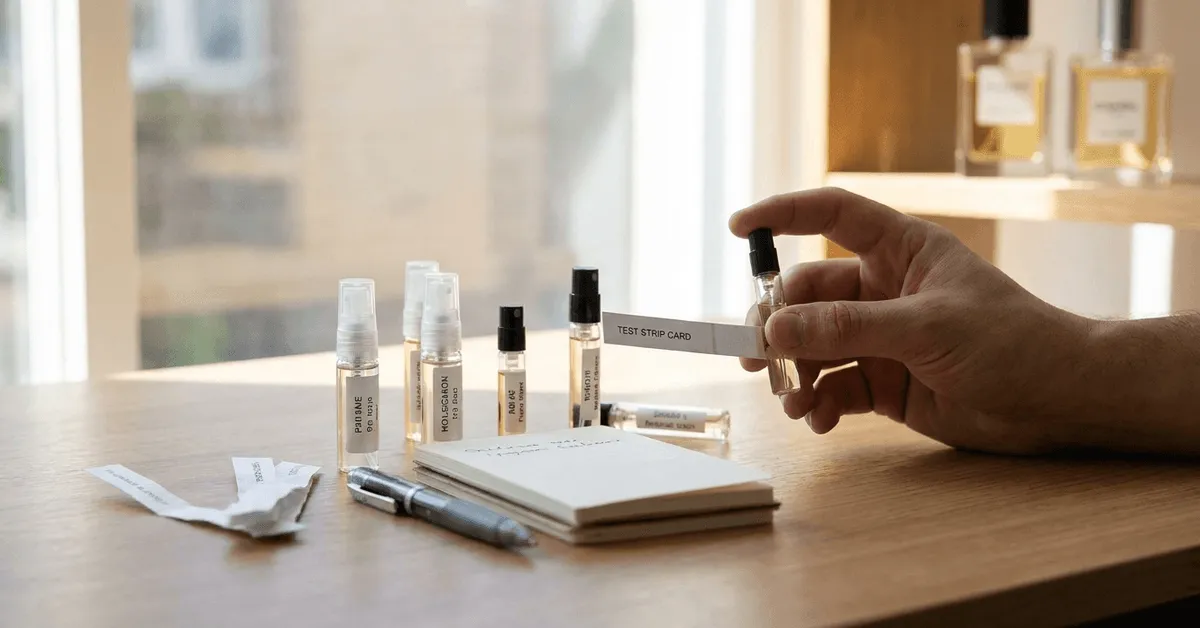
Scented cards can help someone recognize a fragrance family or first impression. They reveal less about how perfume develops during wear. A pleasant paper sample does not necessarily predict the experience on skin.
Free fragrance samples are not always available without another transaction. Some require a purchase, while others involve campaign selection. Understanding that distinction prevents a disappointing search.
Where Popular Perfume Brands Distribute Samples
Official Brand Websites and Local Campaigns
Brand websites sometimes feature fragrance launches, sampling forms, or event announcements. These opportunities are usually temporary rather than permanent.
A missing sample page does not mean the brand never offers them.
Names such as Dior, Chanel, and Yves Saint Laurent often attract sample searches. However, brand recognition alone does not establish that an offer exists. Availability needs confirmation through the relevant official channel.
Country-specific websites matter because fragrance promotions often have narrow delivery areas. A campaign available in one market may exclude neighboring countries. Language settings alone do not establish eligibility.
Legitimate campaigns generally identify the organizer and explain participation requirements. Some also state a closing date or stock limit. Those details help distinguish an actual promotion from an outdated search result.
Department Stores and Fragrance Counters
Department stores remain a familiar source of perfume testing opportunities. Many fragrance counters provide paper blotters, while some have take-home vials. What is available depends on store policy and current supplies.
A counter visit does not create an entitlement to a complimentary sample. Staff may have testers for demonstration but no sealed vials to distribute. This difference explains why experiences vary between locations.
Some stores prepare small samples from a tester where local policy permits. Others distribute only manufacturer-supplied packaging. Neither practice can be assumed across every branch of the same retail chain.
A specific fragrance name can make a sampling conversation more useful. It gives staff a clear starting point rather than a broad request for anything free. Even then, stock and store rules determine the outcome.
How Retailer Samples With Purchase Work
Beauty retailers sometimes include complimentary samples with qualifying orders. Although the sample itself has no separate price, the order still costs money. This is different from a genuinely purchase-free offer.
On the official Sephora website , sample availability and shopping benefits depend on the market. The relevant local storefront provides the applicable information. No particular fragrance should be assumed available.
A checkout sample selection may change before an order ships. Retailer policies can allow substitutions or limit choices when supplies run low. For that reason, a selected perfume sample is not always a guaranteed delivery.
Perfume samples with purchase make financial sense only when the underlying order already serves a purpose. Extra spending can outweigh the sample's value. A complimentary vial does not make an unnecessary purchase economical.
Free Perfume Samples by Mail Through Product Testing
How Consumer Testing Programs Operate
Consumer testing programs connect selected participants with products for evaluation. Beauty campaigns can include fragrance, although other categories may be more common. Registration does not guarantee a perfume invitation.
Selection often depends on location, profile information, campaign requirements, and available quantities. Some programs also consider previous participation. A completed profile is an application, not a confirmed shipment.
Testing campaigns may request a survey, product feedback, or an honest review. Those tasks are part of the participation requirements. Receiving a product does not justify a positive rating that misrepresents the experience.
Where a review is published, disclosure requirements may apply to gifted products. Local advertising rules and platform policies can differ. Clear wording about receiving a free sample helps readers understand the relationship.
What an Application Can and Cannot Promise
A legitimate application can establish interest in future sampling opportunities. It cannot guarantee that a particular luxury brand will select an applicant. Claims of automatic approval deserve careful scrutiny.
Some campaigns provide a small vial, while others may supply a larger product. The exact format belongs in the campaign information. Images of full-size bottles do not necessarily describe what participants receive.
Household limits are common in promotional campaigns and product testing. Multiple registrations can violate the published terms. Accurate details help prevent avoidable eligibility problems and delivery mistakes.
Application windows can close quickly when enough eligible participants respond. However, urgency alone is not proof of legitimacy. A countdown timer offers little reassurance without clear terms and an identifiable organizer.
Why Free Perfume Sample Availability Varies Worldwide
Free perfume samples by mail are rarely distributed on identical terms worldwide. Brands organize promotions around local launches and budgets. Postal restrictions can further narrow the delivery area.
Many perfumes contain alcohol, which can affect how they are shipped. Carriers and postal operators apply their own rules to these products. That can make international sample delivery more complicated than expected.
A global brand may run a campaign through a local retailer or marketing partner. The promotion can be genuine without covering every country. The participating territory remains an essential part of the offer.
Forwarding services may not accept perfume or may impose additional restrictions. They can also introduce charges that exceed a sample's practical value. A local opportunity is often simpler than a cross-border workaround.
How to Recognize Legitimate Perfume Sample Offers
Clear Ownership and Realistic Promises
A credible sample offer identifies the company collecting the application. It usually explains eligibility, data use, and any participation conditions. Missing ownership details make an offer harder to evaluate confidently.
A familiar logo is not enough to establish that a page belongs to a brand. Impersonation pages can copy images and product descriptions. The website address and campaign context provide more useful evidence.
Some genuine brands use external sampling providers rather than their own domain. That arrangement is not automatically suspicious. Confirmation from the brand's official channels can help establish the connection.
Promises of unlimited designer samples or guaranteed expensive bottles are warning signs. Real campaigns usually have practical limits. Overstated rewards often hide marketing funnels, misleading charges, or data collection.
Payment Requests and Hidden Commitments
A shipping charge means an offer is not completely free, even if the product price is zero. Some paid discovery offers are legitimate retail products. They belong in a different category from no-cost sampling.
A request for payment-card details changes the risk of a supposed free offer. Some pages attach recurring charges to introductory promotions. The full payment terms matter more than the word “free” in a headline.
Legitimate sample campaigns do not need banking passwords or one-time security codes. Those details are unrelated to delivering a fragrance vial. Requests for them are strong indicators of fraud.
Unexpected downloads also have no normal role in requesting a mailed perfume sample. A browser extension or unfamiliar installation adds unnecessary risk. Ordinary campaign participation usually happens through a web form.
What Personal Information Sampling Forms May Request
A delivery campaign commonly needs a name, postal address, and contact email. Age confirmation or a short eligibility questionnaire may also appear. The information requested should match the stated purpose of the campaign.
Marketing consent deserves separate attention from the delivery request itself. Some forms combine several communication preferences in one place. A sample application can otherwise produce more promotional email than expected.
A privacy notice explains who handles personal data and how it may be used. It may also describe sharing with campaign partners. Clear information is especially valuable when an unfamiliar company operates the form.
An application does not guarantee dispatch, even after personal details are submitted. Campaigns may screen applicants or allocate limited stock. A confirmation email can acknowledge entry without promising a parcel.
Testing Perfume Samples Before Buying a Full Bottle
First Impressions Versus Everyday Wear
A fragrance can smell different after its opening notes fade. That development is one reason a quick paper test has limits. A take-home vial provides more context about whether the perfume suits ordinary daily wear.
Skin condition, application amount, climate, and surrounding scents can influence perception. There is no universal wear time for every person. Another reviewer's experience is useful context rather than a personal guarantee.
Repeated wear can reveal qualities that a first impression misses. A scent may feel appealing briefly but become distracting over several hours. The reverse happens too: an understated opening can develop pleasantly.
Perfume can cause irritation or trigger symptoms in sensitive individuals. A small sample is not proof that a fragrance will suit everyone. Discomfort is a reason to stop using it rather than continue evaluating performance.
Making Sample Comparisons More Useful
Simple notes can make similar fragrances easier to distinguish later. Useful details include the perfume name, concentration, and overall impression. Price matters too, particularly when several options feel equally appealing.
Comparing many scents at once can make differences harder to judge. A smaller set is usually easier to remember and assess. The goal is a useful buying decision, not collecting the highest possible number of impressions.
Eau de parfum and eau de toilette versions may differ beyond concentration. They can have noticeably different compositions or performance. A sample of one version does not fully represent another with a similar name.
A sample's greatest value may be discovering that an expensive perfume is not a good match. That result is still useful information. Avoiding an unwanted full bottle can matter more than finding a new favorite scent.
Frequently Asked Questions About Free Perfume Samples
Can Perfume Samples Be Completely Free?
Yes, some campaigns distribute samples without a purchase or shipping payment. They may still impose location, age, or stock restrictions. Other offers require a transaction and are better described as purchase-linked extras.
Do Luxury Brands Always Provide Free Samples?
No brand can be assumed to offer complimentary samples continuously. Availability depends on its current promotions and distribution arrangements. A previous campaign is not evidence that the same opportunity remains open.
Are Perfume Decants the Same as Free Samples?
A decant is fragrance transferred into another container, often for paid resale. An official sample is typically prepared or authorized for sampling. Paid decants are not free samples, and seller reliability can vary considerably.
How Long Does Sample Delivery Take?
There is no reliable delivery estimate that applies to every fragrance campaign. Fulfillment can depend on selection, stock, and local shipping. he organizer's stated timeframe is more useful than a general online estimate.
A Better Way to Find Free Perfume Samples
Finding free perfume samples is less about chasing every offer and more about recognizing credible opportunities. Clear terms, local eligibility, and realistic expectations matter. The best sample supports a better purchasing decision.
For an official application route, eligible readers can explore BzzAgent's product-testing signup. Campaign categories and participation rules vary. Fragrance selection and free products are not guaranteed.
A useful fragrance sample does not need to be large or luxurious to earn its place. It only needs to answer a practical question about personal preference. That small amount of clarity can prevent a much larger unnecessary purchase.