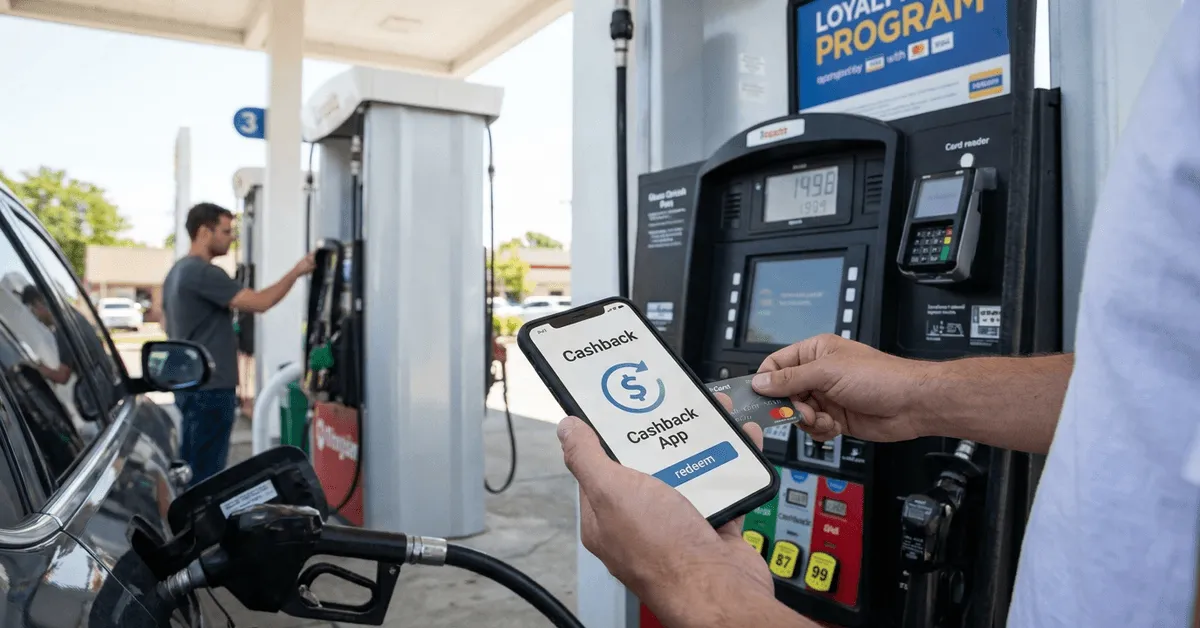
Learning how to maximize cashback on everyday expenses starts with purchases already in your budget. Groceries, transport, utilities, and household essentials can offer savings without extra shopping.
This guide is for anyone comparing cashback cards, shopping portals, or payment apps across different markets. The aim is simple: earn useful rewards while keeping your actual spending firmly in view.
The best approach is not necessarily the card with the biggest advertised percentage. It is the combination of relevant rewards, manageable rules, and low costs that fits your normal financial routine.

How Cashback Works and Where the Savings Come From
Cashback returns part of an eligible purchase through a card issuer, retailer, payment service, or rewards platform. Depending on the program, that return may arrive as cash, credit, or restricted rewards.
A headline rate tells only part of the story. A purchase might qualify for a lower rate, exceed a spending cap, or fall outside the offer entirely because of the merchant category or payment method involved.
Availability also differs by country. Some markets have extensive credit card rewards, while others offer more practical savings through debit cards, retailer loyalty programs, or regulated payment apps.
Cashback Is Not Always Immediately Available
Rewards may remain pending until a merchant confirms the transaction or a return period ends. Some programs also require a minimum balance before redemption, which can delay access to smaller earnings.
Statement credit reduces a card balance, but it may not replace the required monthly payment. Bank transfers, vouchers, and points conversions can work differently, so redemption terms deserve attention.
Finding the Best Cashback Opportunities in Your Budget
A useful starting point is a review of two or three months of spending. This reveals which everyday categories matter most, rather than letting an attractive promotion determine your shopping priorities.
For many households, groceries provide the largest recurring opportunity. For others, fuel, public transport, mobile service, or online household purchases may account for a much bigger share of spending.
Housing costs and taxes can look tempting because the amounts are large. However, payment processing fees may exceed the reward, and some providers exclude these transactions from cashback altogether.
| Expense category | Potential cashback route | Important limitation |
|---|---|---|
| Groceries | Category rewards or supermarket loyalty offers | Warehouse clubs and general retailers may be excluded |
| Fuel and transport | Fuel rewards, transit categories, or payment app offers | Eligible operators and payment methods vary |
| Utilities and mobile service | Eligible recurring bill payments | Processing fees can outweigh rewards |
| Online household shopping | Shopping portals and retailer-linked offers | Tracking and coupon restrictions may apply |
| Dining and takeaway | Restaurant categories or merchant offers | Delivery platforms may receive different classifications |
Merchant Categories Can Change the Result
Card rewards often depend on a merchant category code assigned within the payment system. A shop that sells groceries does not necessarily count as a supermarket under your card's specific reward rules.
Digital wallets and third-party checkout services may also affect eligibility, depending on the offer. A small purchase can provide a useful test before you rely on a particular rate for larger spending.
Choosing Between Flat-Rate and Category Cashback
A flat-rate cashback card generally offers the same advertised earning rate across eligible purchases. Its main advantage is simplicity, especially when spending is spread across many different categories.
A category-based card may offer higher rewards on selected expenses and a lower rate elsewhere. It can work well when those categories match your established spending, rather than your hoped-for spending.
Rotating categories add another layer of administration. An attractive quarterly rate may require activation, apply only to selected merchants, and stop once an eligible spending limit has been reached.
A Simple Comparison Can Be More Useful Than a Ranking
Suppose monthly eligible spending is $400 on groceries and $600 elsewhere. A hypothetical card paying 3% on groceries and 1% elsewhere would return $18, assuming no fees, caps, exclusions, or interest.
A hypothetical flat-rate card paying 2% on the same $1,000 would return $20. The higher grocery percentage looks stronger in isolation, but the broader spending pattern changes the outcome in this example.
These dollar figures are illustrations, not current product offers. The same comparison works in another currency when the spending amounts, eligibility conditions, and reward rates are adjusted locally.
Calculating Net Cashback After Fees and Interest
The most useful number is net cashback , not the total displayed in a rewards dashboard. Annual fees, transaction charges, interest, and reward-related extra purchases can all reduce the real benefit.
A practical estimate is rewards actually redeemed minus costs incurred to earn them. Any extra spending encouraged by an offer also belongs in the calculation, even when the purchase feels like a bargain.
When an Annual Fee Might Be Worth Paying
Suppose a card costs $60 annually and earns one percentage point more than a suitable no-fee alternative. It would require $6,000 in eligible annual spending to recover that fee through extra cashback alone.
That break-even calculation assumes the additional rate applies throughout, with no restrictive cap. Benefits you would not otherwise purchase should not automatically count at their advertised retail value.
Why Interest Usually Changes the Priority
Credit card interest can quickly exceed modest rewards, particularly when a balance carries forward. For someone paying interest, reducing borrowing costs will often matter more than optimizing cashback.
Paying the full statement balance by the due date generally avoids purchase interest where a grace period applies. Existing balances, cash advances, and local account terms can affect how that protection works.
The Consumer Financial Protection Bureau's credit card resources explain common costs and terms. The guidance is U.S.-specific, although many comparison principles are broadly useful.
Stacking Cashback Offers Without Losing the Savings
Cashback stacking means combining compatible benefits on one planned purchase. A retailer promotion, shopping portal reward, and eligible payment card reward may sometimes work together successfully.
Compatibility is never automatic. A coupon from another website might invalidate portal rewards, while gift card payments or certain product categories may be excluded under the merchant's offer terms.
A Realistic Example of Combining Rewards
Imagine a planned household purchase costs $100 after a retailer discount. If a portal awards 4% and a card awards 2% on that same eligible amount, the combined reward would be $6 before any other costs.
Actual calculations may exclude tax, delivery, or part of the basket. Some rewards also use different purchase amounts, so adding two headline percentages does not always produce the correct final return.
A lower final price elsewhere can still beat a stacked offer. Comparing the delivered price after likely rewards is more meaningful than choosing whichever checkout displays the largest cashback number.
Tracking Rules Matter More Than They First Appear
Shopping portals commonly depend on a tracked referral to attribute a purchase. Switching between apps, blocking required tracking, or using an unapproved coupon may prevent the expected reward from appearing.
Order confirmations and offer screenshots can help with a missing-reward claim. Even so, pending cashback is better treated as uncertain until it is confirmed and becomes available under the program rules.
Using Cashback on Bills, Subscriptions, and Transport
Recurring expenses can make rewards easier to manage because the purchases happen anyway. Mobile bills, broadband, subscriptions, and eligible transport payments may offer predictable earning opportunities.
A payment fee deserves a separate calculation. If a bill provider charges 2.5% for card payments and the card returns 1%, the transaction creates a net cost rather than a saving, before any other charges.
Automatic payments can reduce missed bills, but they do not make unused services worthwhile. An occasional subscription review may produce larger savings than improving the cashback rate on those same charges.
Foreign Currency Purchases Need Extra Care
For international spending, foreign transaction fees and exchange rates can outweigh rewards. A card earning cashback is not necessarily the cheapest option for travel, overseas subscriptions, or imported goods.
Paying in the merchant's local currency often avoids merchant-provided currency conversion, but the overall result depends on your issuer's terms. The exchange rate and all applicable fees still matter.
Managing Welcome Bonuses and Limited-Time Offers
A welcome bonus can improve first-year value when its conditions fit purchases already planned. It becomes less attractive if reaching the target requires extra shopping, borrowing, or expensive payment workarounds.
The relevant details include the qualifying period, eligible transactions, previous-customer restrictions, and reward delivery rules. Returns or reversed transactions can reduce progress toward a spending requirement.
Opening several accounts for bonuses can also create administrative strain and affect credit assessments, depending on the country. A reward is rarely worthwhile when it complicates an upcoming borrowing application.
Cashback Security, Privacy, and Local Rules
A reliable cashback strategy includes checking who operates the service and how it handles personal data. An unusually generous offer is not enough evidence that a website, app, or browser extension is trustworthy.
Some services request access to shopping activity or linked financial accounts. That access deserves a deliberate decision, especially when the likely annual reward is small compared with the information shared.
Reward balances may not have the same protections as bank deposits. Redemption rules, account closures, and program changes can affect access, making unusually large unredeemed balances worth reconsidering.
Tax Treatment Is Not the Same Everywhere
Cashback linked directly to a purchase may be treated differently from referral income, account-opening incentives, or business rewards. There is no single worldwide tax rule covering every type of payment.
Local tax authority guidance or a qualified adviser can clarify unusual cases. For business purchases, cashback may also affect recorded expenses, depending on the accounting method and applicable local rules.
A Low-Maintenance Routine for Better Cashback
A manageable setup often outperforms an elaborate collection of accounts. One suitable everyday payment method, with perhaps one complementary category option, may capture useful savings without constant monitoring.
A short monthly review can cover rewards received, fees charged, missing transactions, and upcoming offer deadlines. This also makes it easier to notice whether cashback has started influencing unnecessary purchases.
- Before a purchase: An existing budget and a competitive final price provide the strongest starting point.
- At checkout: Eligible categories, payment fees, and offer compatibility determine the likely reward.
- After purchase: Receipts and transaction records support tracking and any missing-reward claim.
- Each month: Actual net savings show whether the setup remains worthwhile.
Redemption thresholds also deserve a place in that review. A program offering a slightly higher percentage may be less useful if your normal spending leaves its rewards inaccessible for a very long time.
Comparing an Official Cashback Card Application
For eligible U.S. residents considering a credit card, the official Blue Cash Everyday application page offers current terms and a route to apply if the product suits their needs.
This is a regional example, not a universal recommendation or an assurance of approval. Applicants elsewhere would need locally available products, with eligibility, affordability, and borrowing costs assessed first.
An application makes sense only when the account fits your circumstances independently of its rewards. Rates, fees, benefits, and eligibility can change, so the current official disclosures take priority.
Conclusion: Better Cashback Starts With Better Spending Decisions
The strongest way to maximize cashback on everyday expenses is to reward an existing budget, not expand it. Relevant earning categories, competitive prices, and low costs matter more than impressive percentages.
A simple system that produces reliable net savings is enough. When cashback remains a small benefit attached to necessary purchases, rather than a reason to buy, it can make everyday spending work a little harder.