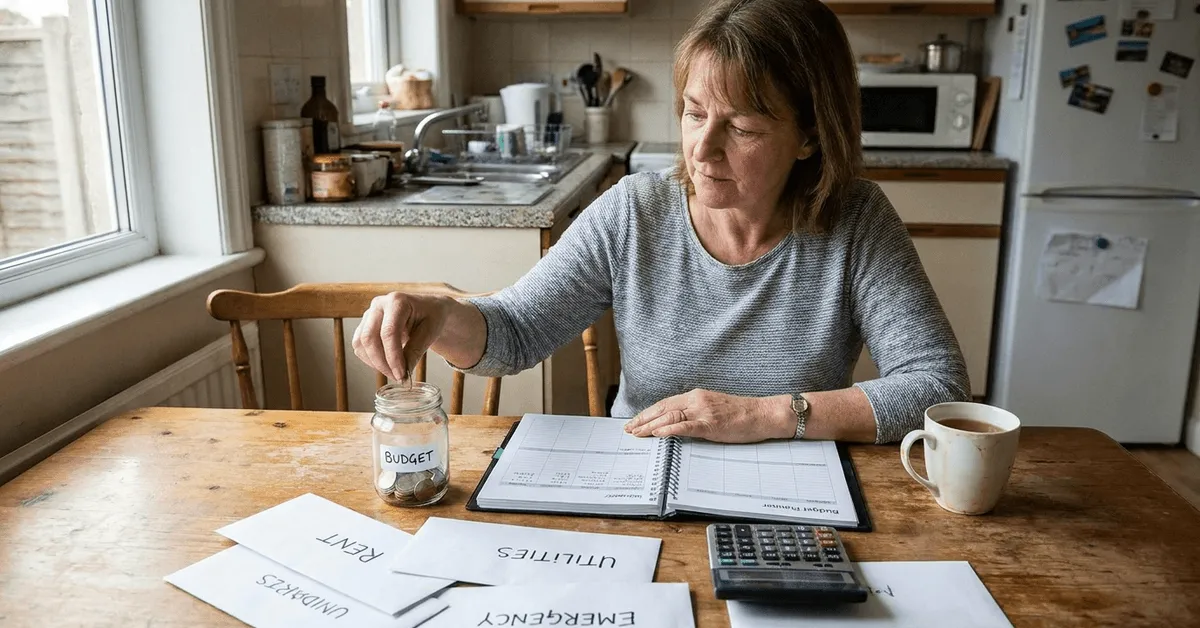
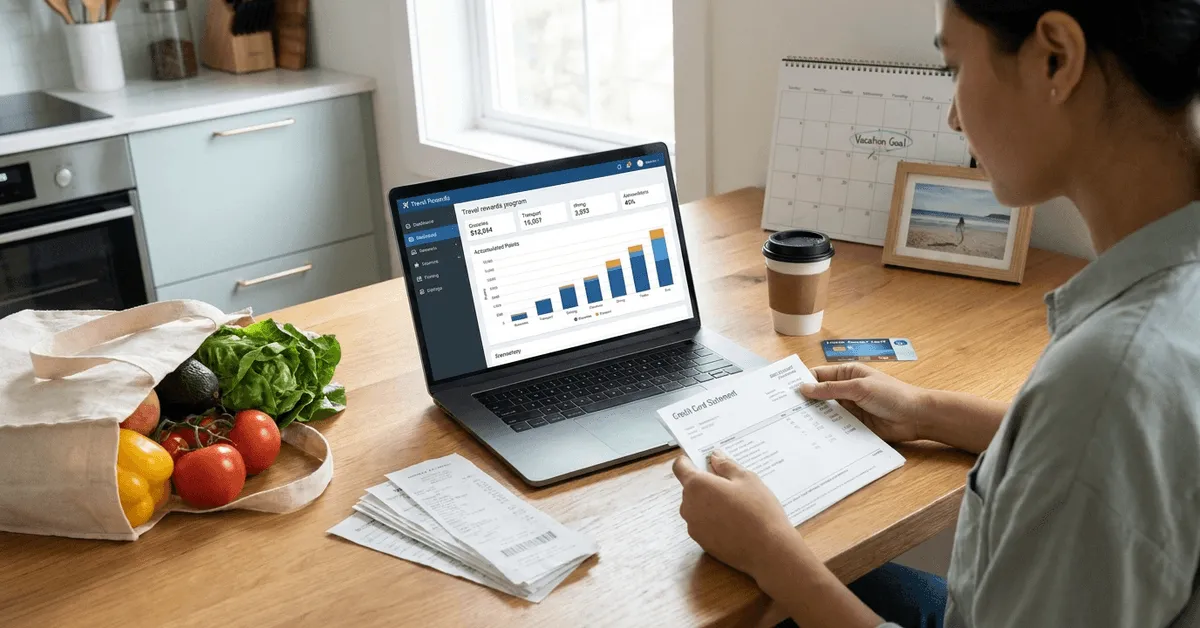
Opening a bank account can feel difficult when there is no payslip to upload. Yet students, unemployed adults, caregivers, and people with irregular earnings may still qualify for everyday banking.
This guide explains how to open a bank account without proof of income, which documents may replace salary records, and where eligibility rules differ. The aim is clarity, not promises of approval.
The important distinction is simple: having no salary does not mean having no identity documents or financial checks. A suitable account may not require employment, but verification still matters.
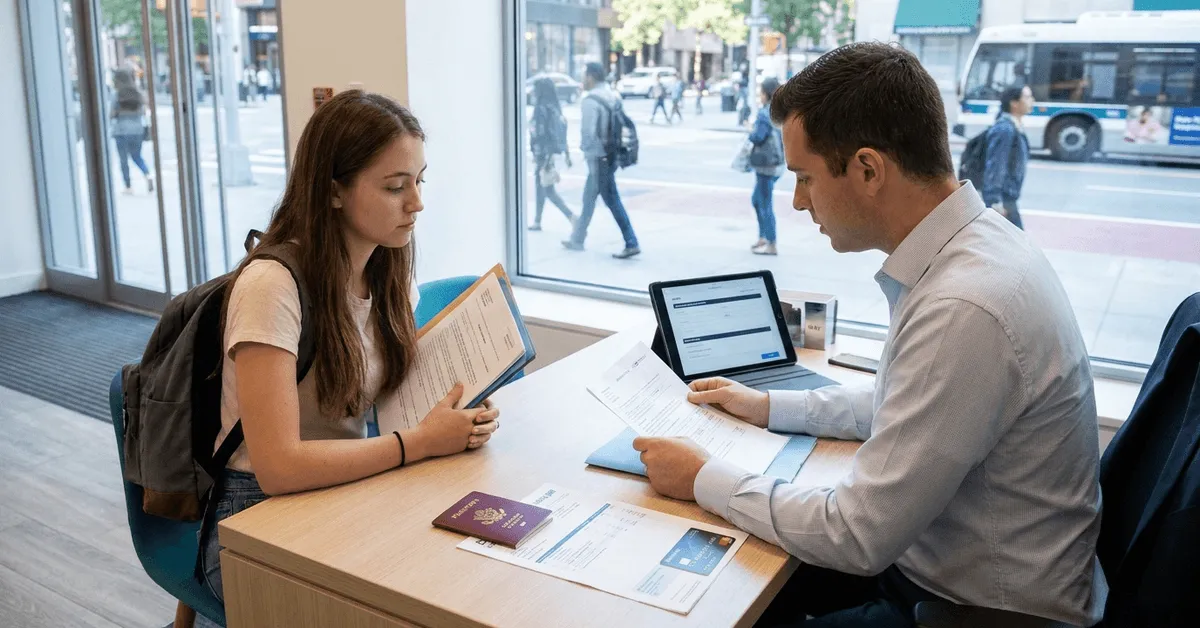
Can You Open a Bank Account Without Proof of Income?
In many countries, a standard deposit or payment account does not require a regular salary. However, eligibility depends on the provider, account features, residency rules, and local regulations.
A bank may accept an applicant who receives family support, government benefits, scholarship payments, or occasional freelance income. None of those situations automatically guarantees acceptance.
Proof of income usually shows how much money someone earns, often through payslips, tax records, or an employer letter. Banks do not necessarily require these documents for every account.
Identity checks serve a different purpose. Even when salary evidence is unnecessary, a provider may still need identification, an address or accepted alternative, and information about tax residency.
Proof of Income vs. Source of Funds: An Important Difference
A person can have no employment income while still holding legitimate savings. For example, money might come from past earnings, family gifts, a scholarship, an inheritance, or a government payment.
Source of funds means where particular money came from. A bank may ask about this when reviewing an application, receiving an unusual transfer, or checking activity after an account has opened.
Supporting evidence depends on the circumstances. A benefits letter, scholarship confirmation, previous bank statement, or documented gift may help, but the provider decides which evidence it accepts.
A request for additional documents does not necessarily mean applicants need a job. It may simply mean the bank needs a clearer explanation of their finances before it can complete its checks.
Documents Commonly Needed Without Salary Records
A useful starting point is the provider's official document checklist. Requirements can differ even between accounts at the same bank, particularly for residents, newcomers, students, and minors.
Some institutions verify identity digitally, while others require original documents at a branch. A photograph of a document may not be enough when certification or an in-person check is required.
- Identity: A passport, national identity card, or another government-issued document accepted locally.
- Address: A recent utility bill, tenancy document, government letter, or another accepted alternative.
- Tax details: Relevant tax residency information and a tax identification number where required.
- Immigration status: A residence permit, visa, or other documentation if applicable.
- Financial information: An honest explanation of expected deposits and account use.
Applicants without conventional address documents may have alternatives through certain banks or local inclusion programs. Acceptance is not universal, so a provider's published policy matters most.
Bank Account Types That May Not Require Proof of Income
Basic Bank Accounts
Basic bank accounts generally focus on essential services such as receiving payments, making transfers, and using a debit card. They often exclude overdrafts and other borrowing facilities.
These accounts can suit people who do not qualify for a provider's standard current account. However, some have specific eligibility conditions and are not available to every applicant who wants one.
Standard Checking or Current Accounts
A regular checking account or current account may also be available without salary evidence. Some banks ask about occupation and expected activity without requiring payslips during the application.
A minimum opening deposit is different from a minimum income requirement. Someone may qualify without employment but still need a small initial payment or a continuing balance to avoid certain fees.
Student and Youth Accounts
Student accounts often place more emphasis on enrollment and age than on earnings. Nevertheless, proof of study, residency restrictions, or parental involvement may apply, depending on the product.
An advertised student overdraft is a separate consideration from basic account access. Borrowing features may involve credit checks and additional eligibility rules, even when the account itself does not.
Digital Accounts and Payment Accounts
Some digital providers offer straightforward applications without routine salary uploads. That convenience does not remove identity verification, residency requirements, or later requests for evidence.
Not every financial app provides a bank deposit account. Depending on the country and legal entity, customer money may have deposit insurance, safeguarding arrangements, or different protections entirely.
How Requirements Differ Around the World
United States
In the United States, many checking accounts do not require employment or a salary. Banks commonly request identity details, an address, and a Social Security number or another accepted tax identifier.
Some institutions accept an Individual Taxpayer Identification Number or particular foreign documents. Policies vary, and a bank may also review deposit-account history before deciding an application.
United Kingdom
In the United Kingdom, employment is not a universal requirement for current accounts. Basic accounts may be relevant when an applicant does not qualify for a standard account or borrowing facilities.
UK residency and identity requirements still apply according to the provider's rules. Applicants without standard address evidence may find that discussing accepted alternatives with the bank is helpful.
European Union
EU rules provide a right to a basic payment account for consumers legally resident in the EU, subject to applicable conditions. This is not a promise that every bank must offer every applicant any account.
The EU's official guide to basic payment account rights explains access and refusal rules. National procedures and individual circumstances still affect how those rights apply.
Other Countries and Nonresident Applications
Elsewhere, account access may depend on national identity systems, residence status, local phone numbers, or account limits. Some countries offer simplified accounts, but their restrictions vary widely.
A worldwide guide cannot replace local eligibility rules. In particular, an account marketed online may serve only residents of selected countries, even if its website is accessible from almost anywhere.
A Practical Application Process Without Payslips
The simplest application route is usually an account whose published requirements match the applicant's real circumstances. Choosing a premium product with salary conditions can create avoidable obstacles.
- Eligibility review: Relevant checks include residence, age, accepted identification, and any existing-account restrictions.
- Product comparison: Useful factors include monthly fees, opening deposits, transfer costs, and cash access.
- Document preparation: Clear, current documents can reduce delays caused by unreadable or expired evidence.
- Accurate application: Employment status and expected account activity should reflect the applicant's actual situation.
- Follow-up verification: A bank may request additional explanations or documents before reaching a decision.
Someone who is unemployed can describe that status accurately while explaining how the account will be funded. Savings, family assistance, and benefits are different sources and should not be mislabeled.
Opening times vary considerably. An automated identity check may finish quickly, while document review, nonresident applications, or questions about funding can extend the process by days or longer.
Fees and Restrictions Worth Comparing
An account without an income requirement is not automatically a free account. Monthly maintenance charges, foreign exchange costs, and out-of-network ATM fees may matter more than the opening process.
Fee waivers deserve particular attention. A product might accept applicants without employment while waiving its monthly charge only for customers who receive qualifying deposits or maintain a set balance.
| Feature | What it means | Why it matters |
|---|---|---|
| Opening deposit | Money required to activate the account | May be necessary even without an income requirement |
| Monthly fee | A recurring account charge | Can reduce a small balance over time |
| Minimum balance | A balance needed for eligibility or fee relief | May be difficult to maintain with irregular income |
| Overdraft | A facility allowing eligible customers to borrow | May involve separate checks, interest, and charges |
| Transfer and ATM fees | Charges for moving or withdrawing money | Can affect everyday affordability |
| Deposit protection | Protection available under the relevant legal scheme | Depends on the institution, jurisdiction, and account |
For someone receiving small or irregular payments, predictable costs can be more valuable than rewards. A modest account with suitable payment features may work better than one with expensive extras.
Why a Bank May Request More Information Later
Account opening is not the end of a bank's legal obligations. Providers may monitor transactions and ask for updated identification or explanations when activity differs from the expected account use.
A large incoming transfer, international payment, or sudden change in activity can prompt questions. Such a request does not automatically indicate wrongdoing, but it may require supporting documents.
Personal accounts may also have restrictions on business use. Someone receiving freelance or trading income regularly may need a different product, depending on the provider's terms and local rules.
Using another person's identity, altering documents, or inventing an employer can lead to rejection, closure, and legal consequences. A legitimate no-income application still depends on accurate information.
What Happens if an Application Is Declined?
A rejection does not always mean that having no income was the problem. Identity mismatches, unsupported residency, account-history concerns, or an unsuitable product can also affect the decision.
The provider may be able to explain whether missing documents can be corrected or another account is available. However, legal restrictions can sometimes limit the reasons a bank is permitted to disclose.
Where a formal complaint or independent review process exists, it may provide a route for challenging an error. Consumer rights differ by country, and a complaint does not guarantee an account will open.
Frequently Asked Questions About Banking Without Income Proof
Can an Unemployed Person Open a Bank Account?
Often, yes. Being unemployed does not automatically prevent access to a deposit account, although the applicant must still satisfy identification, residency, funding, and product-specific requirements.
Can an Account Be Opened With No Money?
Some accounts have no minimum opening deposit, while others require initial funding. A zero opening balance does not necessarily mean there are no monthly fees, inactivity conditions, or other charges.
Does No Income Mean No Credit Check?
Not necessarily. Providers use different screening processes, and borrowing features may involve credit checks. Deposit-account screening can also differ from the checks used for loans or credit cards.
Can Benefits or Family Support Fund the Account?
Many accounts can receive legitimate benefits or family transfers, subject to their terms and payment capabilities. The provider may ask where the money comes from or request evidence in some circumstances.
An Official Application Route for Eligible UK Residents
For a concrete example, Nationwide offers FlexBasic for applicants who meet its UK eligibility criteria. It is a basic current account, not a worldwide product or a guaranteed option for every applicant.
Eligible UK readers considering an application can review Nationwide's official FlexBasic application information. Current terms, eligibility, and verification checks apply.
Conclusion: No Salary Does Not Have to Mean No Banking
Opening a bank account without proof of income is possible in many situations. The strongest starting point is an account that fits the applicant's residence, documents, funding sources, and daily needs.
The key is separating salary evidence from identity and funding checks. A bank may not need a payslip, yet still need enough reliable information to understand who the applicant is and how money will arrive.
Affordable fees, appropriate protections, and realistic eligibility matter more than promises of instant approval. With those priorities in view, people without regular earnings can assess their options confidently.