Learning how to earn free gift cards can make everyday digital habits a little more useful. The opportunity is real, although the value usually comes from small rewards rather than substantial income.
This guide is for shoppers, students, and budget-conscious adults who want to understand legitimate rewards programs. It explains earning methods, regional restrictions, privacy trade-offs, and redemption.
The most useful approach is also the least dramatic: choosing programs that fit existing habits. A gift card has genuine value when earning it does not require unnecessary spending or excessive effort.
How Free Gift Card Rewards Programs Work
Rewards programs give members points, credits, or cashback for eligible activities. Depending on the service, those rewards may be exchanged for retailer gift cards, account credit, or other benefits.
Businesses fund these rewards through advertising, market research, shopping commissions, or customer loyalty budgets. That funding explains why a program can offer something without charging a membership fee.
Still, free does not mean there is no exchange involved. Members may contribute their time, attention, purchase information, or survey responses, and those trade-offs deserve a little consideration.
Points, Cashback, and Gift Cards Are Different
Points are an internal reward currency, while cashback usually represents a monetary amount under program rules. A gift card is a redemption option, and its availability may change by country or account.
A large points balance does not necessarily mean a large reward. The meaningful comparison is the usable gift card value after accounting for redemption thresholds, restrictions, and any applicable costs.
Legitimate Ways to Earn Free Gift Cards
Search and Everyday Activity Rewards
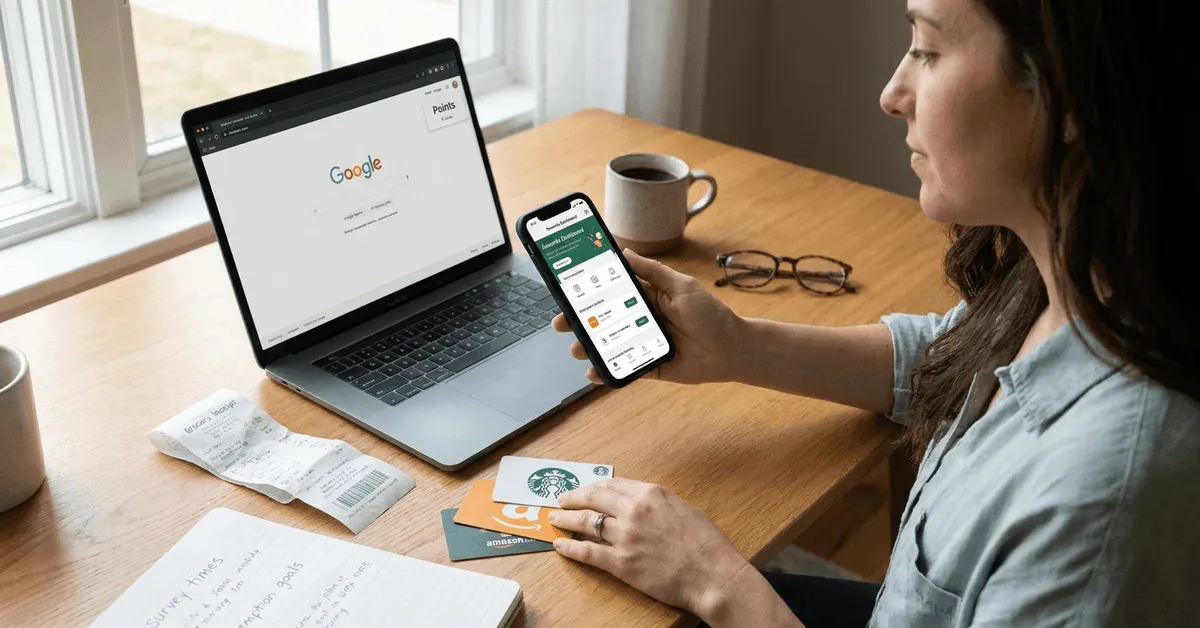
Some programs award points for eligible searches, quizzes, or other routine activities. These options can suit people who already use the relevant services and prefer not to make purchases to earn rewards.
Daily earning limits, qualifying activities, and available rewards vary. Automated searches, scripts, or artificial activity may violate program rules, even when the underlying service is free to join.
Paid Surveys and Market Research
Survey rewards compensate eligible participants for sharing opinions or experiences. Invitations often depend on location, age, household characteristics, and the audience a research project needs.
Screening questions can lead to disqualification, sometimes without a reward. That makes surveys less predictable than they first appear, particularly when invitations are infrequent in a participant's country.
Shopping Cashback and Loyalty Points
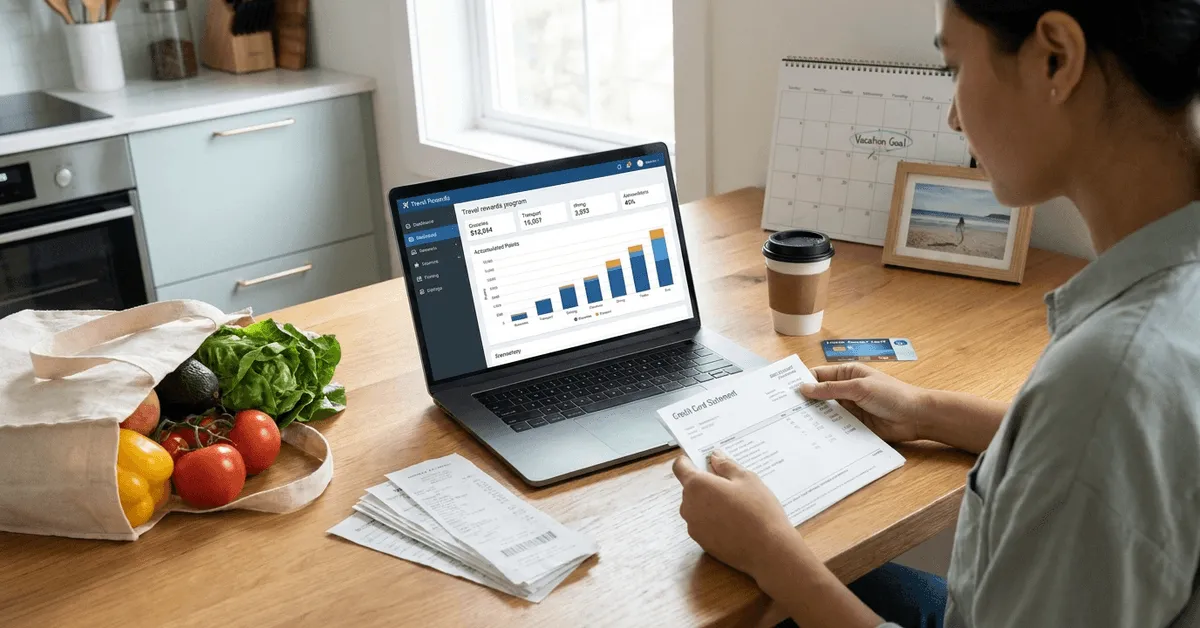
Shopping programs may provide cashback or points on qualifying purchases, with gift cards among the redemption choices. These rewards work best when attached to spending that was already planned beforehand.
A purchase made only to unlock a reward can easily cost more than the reward is worth. Returns, excluded products, tracking failures, and merchant approval periods can also affect the final amount earned.
Receipt Rewards and Promotional Offers
Some services award points for eligible receipts or specific product purchases. Availability is often local, and a receipt may reveal store details, purchase patterns, payment information, and shopping locations.
Promotional offers sometimes involve trials, subscriptions, or spending requirements. They are not genuinely cost-free when a payment is necessary, even if the eventual reward arrives as a retailer gift card.
Comparing Gift Card Earning Methods
The best rewards method depends less on popularity than on personal circumstances. A useful comparison considers spending requirements, time commitment, privacy, and whether the available cards are usable locally.
| Method | Typical contribution | Main limitation | Potential fit |
|---|---|---|---|
| Search and activity rewards | Attention and eligible activity | Daily limits and regional availability | People already using supported services |
| Market research surveys | Time and personal responses | Screen-outs and inconsistent invitations | People comfortable sharing opinions |
| Shopping cashback | Qualifying purchases | Spending requirements and tracking rules | Shoppers with planned purchases |
| Retail loyalty programs | Repeat purchases or eligible engagement | Brand-specific redemption options | Existing customers of participating retailers |
| Receipt rewards | Purchase records and receipt uploads | Location restrictions and data collection | People comfortable sharing shopping data |
Recognizable Rewards Programs and Important Limitations
Microsoft Rewards
Microsoft Rewards offers points for eligible activities, which can include searches, quizzes, and purchases. Activities, earning opportunities, and reward catalogs depend on the member's market and eligibility.
Gift cards may be available among the rewards, but no particular retailer or denomination is guaranteed. The account's current redemption catalog is more reliable than an older article or social media screenshot.
Google Opinion Rewards
Google Opinion Rewards program information explains its survey model. Availability and reward types differ by country and operating system, so the details matter.
It is not universally a gift card program. Depending on the supported version and location, rewards may involve Google Play credit or PayPal payments rather than a choice of retailer gift cards directly.
Retailer and Supermarket Loyalty Programs
Established retailers sometimes offer vouchers, loyalty credit, or gift card redemptions through their own programs. However, a discount coupon is not necessarily equivalent to a gift card with spendable value.
The distinction matters when comparing offers across countries. A voucher requiring a minimum purchase may offer less practical value than a smaller gift card that covers something already on the shopping list.
Worldwide Availability: Why Location Matters
A rewards platform can operate internationally without offering the same experience everywhere. Supported countries, age requirements, identity checks, and local reward catalogs may all differ significantly.
Gift card region restrictions deserve particular attention. A card issued for one country or currency may not work on another country's storefront, even when the retailer uses the same brand worldwide.
Virtual private networks and false location details are not reliable solutions to regional limits. Such practices may breach terms, trigger account reviews, or leave accumulated points unavailable for redemption.
- Country eligibility and any minimum age requirements.
- The retailer's supported country, storefront, and currency.
- Whether the reward works online, in stores, or both.
- Expiration dates, account restrictions, and minimum purchases.
- Whether identification or a supported phone number is required.
How Much Are Gift Card Rewards Really Worth?
There is no dependable universal earning rate for free gift card programs. Results depend on eligibility, available activities, survey qualification, redemption values, and how much time a member chooses to spend.
Small, occasional rewards are a more realistic expectation than steady income. Claims about guaranteed daily earnings often ignore screening failures, purchase requirements, regional differences, or earning limits.
A Simple Way to Evaluate Time Value
A hypothetical example makes the calculation clearer. If a person earns a usable $5 gift card after 100 minutes of activity, the equivalent reward rate is $3 per hour before considering any related costs.
That figure is only an illustration, not an expected payout. The same person might find the activity worthwhile during spare moments but unattractive when it replaces paid work, study, or much-needed rest.
Effective reward rate equals usable reward value divided by time spent earning it. Including screening time, offer research, and redemption problems produces a more honest comparison between programs.
Redemption Rules That Can Reduce Your Rewards
Minimum Thresholds and Expiration
A program may require a minimum balance before a gift card becomes available. A generous-looking earning rate becomes less useful if reaching that threshold takes longer than the member expects to participate.
Points and gift cards may follow different expiration policies. Inactivity rules, account closures, and local consumer laws can affect balances, so the current terms matter more than assumptions about permanent value.
Processing Times and Reward Availability
Some redemptions arrive quickly, while others require processing or account verification. A reward request should not be treated as immediately available spending money until delivery and activation are complete.
Popular gift cards can become unavailable, and reward prices may change. Redeeming a useful amount when eligible can reduce exposure to catalog changes, although each program's conditions still deserve attention.
Gift Card Scams and Unsafe Rewards Offers
Legitimate rewards programs explain who operates them, how rewards are earned, and what restrictions apply. Clear terms do not guarantee a perfect experience, but missing ownership information is a warning sign.
An unexpected message promising an expensive gift card for almost no effort deserves skepticism. Fraudulent pages often imitate familiar brands while collecting login credentials, payment details, or personal information.
- Upfront processing or release fees for supposedly free rewards.
- Gift card code generators or claims of unlimited balances.
- Requests for passwords, recovery codes, or remote device access.
- Downloads from unofficial sources or unexplained browser extensions.
- Pressure to act immediately before an unverifiable offer disappears.
HTTPS protects a connection, but it does not prove that a business is trustworthy. A convincing logo, a polished page, or a supposed security badge can also appear on a fraudulent rewards website today.
Gift card codes should be treated like money because sharing them can allow someone else to spend the balance. A legitimate support interaction should not require sending a redeemed code to an unknown person.
Privacy, Account Security, and Tax Considerations
Rewards accounts can contain valuable personal and behavioral information. Unique passwords, multifactor authentication where available, and careful permission choices can reduce the risk of account misuse.
Survey participation deserves particular care when questions involve health, finances, or household members. Skipping an uncomfortable question may affect eligibility, but a small reward does not outweigh personal boundaries.
Tax treatment varies by jurisdiction and by how a reward was earned. Purchase-linked rebates may be treated differently from survey compensation, referral bonuses, or prizes, depending on the applicable local rules.
A Sustainable Approach to Earning Gift Cards
Managing a small number of suitable programs is often easier than maintaining many barely used accounts. Fewer accounts mean fewer passwords, fewer redemption thresholds, and less time spent tracking scattered balances.
A brief monthly review can show whether the effort remains worthwhile. Useful measures include time spent, rewards actually redeemed, unwanted purchases avoided, and whether the gift cards replaced normal spending.
Honest participation also protects long-term access. Duplicate accounts, fabricated survey answers, referral abuse, and automated activity may breach program terms and lead to canceled rewards or account restrictions.
Conclusion: Small Rewards Work Best When They Stay Simple
The strongest way to earn free gift cards is through legitimate programs that match existing habits. Real value comes from usable rewards, reasonable time commitments, and spending no more than originally intended.
For eligible readers, joining through the official Microsoft Rewards website is one option. Country availability, current terms, and the local rewards catalog determine whether it is suitable.
A modest gift card can still make a useful difference when it covers something needed. The goal is not the biggest points balance, but a practical benefit earned without sacrificing privacy, money, or too much time.