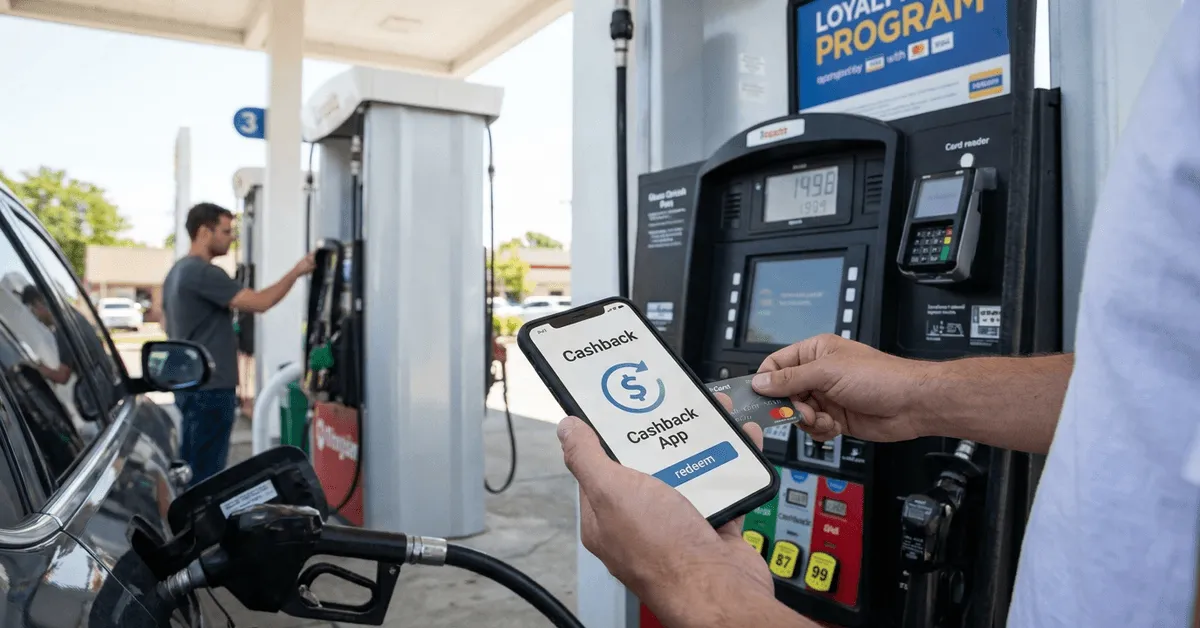
Combining a sale price with a coupon and cashback can lower the cost of a planned purchase. The challenge is knowing which offers work together, which cancel out, and when the saving is actually real.
This guide is for shoppers who want a clearer way to compare online deals, whether buying household essentials, clothing, or electronics. The same principles can apply across many countries and currencies.
Cashback stacking means combining compatible savings on one purchase. It works best as a budgeting tool, not a reason to buy more, and the final result depends on each retailer's terms and conditions.

What Cashback Stacking Actually Means
Different savings layers serve different purposes
A store discount reduces the listed price, while a coupon applies an additional promotion where permitted. Cashback usually arrives later, after a rewards provider confirms that the purchase qualifies.
Payment rewards can sometimes add another layer through an eligible debit card, credit card, or wallet. However, these benefits are separate agreements, and compatibility should never be assumed in advance.
The checkout price is not the effective cost
The checkout total is the amount paid immediately. The effective cost is what remains after eligible rewards are confirmed and received, with shipping, taxes, fees, and other unavoidable charges included.
This distinction matters because pending cashback is not money already available to spend. A purchase should still fit the household budget even if the reward takes longer than expected or never becomes payable.
Which Coupons, Discounts, and Rewards Can Work Together?
The most useful combinations involve benefits from different sources rather than several offers competing for the same discount slot. Even then, the retailer and rewards provider control what is allowed.
| Savings layer | How it works | Common limitation |
|---|---|---|
| Store sale | Reduces the product price | Selected items or dates only |
| Coupon code | Applies an eligible checkout discount | May exclude sale merchandise |
| Cashback portal | Tracks qualifying purchases for a later reward | Unapproved coupons may invalidate cashback |
| Loyalty program | Offers member prices, points, or vouchers | Some benefits cannot be combined |
| Payment rewards | Rewards eligible spending through a payment provider | Caps, fees, and transaction exclusions may apply |
A retailer might allow a sale item, one approved coupon, and a portal reward on the same order. Another might exclude that product category entirely, even though its general cashback offer appears attractive.
Coupon stacking is different from cashback stacking. Using several coupon codes on one order is often restricted, while combining one approved coupon with a separate reward may still be permitted.
Loyalty points also deserve a separate calculation. Their practical value depends on redemption rules, expiration dates, and whether a future purchase would be necessary to use them before they expire.
How to Calculate Your Real Savings
Percentage discounts usually apply sequentially
A 20% store discount followed by a 10% coupon does not normally produce a 30% discount. The second reduction applies to the already reduced price, unless the promotion explicitly describes another method.
The example below uses US dollars only for illustration; the arithmetic works in any currency. It assumes every offer is compatible and both rewards apply to the final merchandise amount without exclusions.
| Stage | Calculation | Result |
|---|---|---|
| Original merchandise price | Starting amount | $100.00 |
| 20% store discount | $100.00 − $20.00 | $80.00 |
| 10% coupon | $80.00 − $8.00 | $72.00 paid |
| 5% portal cashback | $72.00 × 5% | $3.60 reward |
| 1% payment reward | $72.00 × 1% | $0.72 reward |
| Illustrative effective cost | $72.00 − $3.60 − $0.72 | $67.68 |
The combined saving is $32.32, or 32.32% of the original price, under these assumptions. Simply adding every advertised percentage would overstate the result because the percentages use different starting amounts.
Shipping, taxes, duties, or payment fees would increase that effective cost. Actual reward calculations may exclude some charges, and a rewards provider may use a different eligible amount than the checkout total.
A useful comparison formula
A practical formula is: total paid, plus unavoidable extra costs, minus confirmed cash rewards. Points or vouchers are better tracked separately unless their usable value is clear and realistically achievable.
How a Compatible Shopping Sequence Works
Price comparison comes before rewards
A strong starting point is the normal selling price across several trustworthy retailers. An impressive discount against an inflated reference price can still leave a product more expensive than elsewhere.
Comparisons are more reliable when they involve the same model, size, condition, warranty, and delivery terms. A cheaper marketplace listing may not offer the same protections or accessories as another seller.
Offer checks come before checkout
The relevant terms include eligible categories, coupon restrictions, minimum spending, and reward caps. Product exclusions matter especially for electronics, gift cards, subscriptions, and marketplace sellers.
Where portal tracking is required, the provider's instructions determine the shopping sequence. Typically, the purchase follows a tracked retailer visit, but individual programs may require additional steps.
A simple purchase record can include the offer, eligible coupon, order confirmation, and expected reward. This makes later checks easier without turning an occasional saving into a complicated administration task.
Why Cashback Sometimes Fails to Track
Cashback tracking connects a qualifying shopping visit with a completed purchase. Depending on the service, that connection may rely on browser cookies, a linked payment card, an app, or another approved method.
Moving between devices, switching into a retailer app, or following another advertising link can interrupt some tracking arrangements. Another rewards extension may also claim credit for the same transaction.
Privacy settings and tracking protection can affect certain programs, but weakening browser security is not a sensible trade-off. A provider's official guidance may explain supported options and their limitations.
Order edits, canceled items, or a coupon found outside the provider's approved list can also affect eligibility. When tracking fails, the program's missing-reward process may help, subject to its evidence requirements.
Coupon Restrictions That Can Change the Deal
Minimum spending and excluded products
A coupon may require a minimum qualifying subtotal after other discounts. Shipping, taxes, gift cards, or excluded brands may not count toward that threshold, even when they appear in the same shopping basket.
Adding an unnecessary item to unlock a discount can increase spending overall. A useful comparison is the final cost of the original basket against the expanded basket, rather than the size of the coupon alone.
New-customer and single-use offers
First-order discounts usually depend on the retailer's definition of a new customer. Creating extra accounts or misrepresenting eligibility can violate program rules and put both discounts and rewards at risk.
Single-use codes, targeted offers, and member benefits may have separate conditions. A code that works at checkout does not automatically mean a cashback provider will approve the transaction for a reward.
Payment Rewards Without Unnecessary Borrowing
Payment rewards can improve a purchase only when their value exceeds any associated costs. Interest, annual fees, processing charges, and foreign transaction fees can easily outweigh a small cashback percentage.
For someone using a credit card, avoiding interest generally matters more than optimizing a modest reward. A balance carried beyond an applicable interest-free period can make an apparently good deal expensive.
Debit rewards and other payment benefits may be alternatives where available, although their terms still matter. Buying something on credit is not necessary for cashback stacking, and borrowing solely for rewards adds risk.
Card-linked offers may require activation before purchase and payment with a specific eligible card. Digital wallets, installment services, or third-party checkout methods can change how a transaction is recognized.
Cashback Rules for International Shopping
Country eligibility and regional websites
A cashback platform operating in one country may not accept residents of another or reward purchases on a retailer's foreign website. Supported locations, payout methods, and qualifying storefronts can differ.
Even familiar brands may run separate regional programs with different partners and conditions. An offer displayed in one currency should not be assumed to apply to every version of that retailer's store.
Currency conversion and cross-border costs
Exchange-rate differences, conversion charges, import duties, and international delivery can erase an attractive reward. Return shipping can be particularly costly when a purchase crosses a national border.
For worldwide comparisons, the useful figure is the estimated delivered cost in the shopper's own currency. Cashback is then a possible reduction, rather than a substitute for checking the full landed price.
Returns, Payouts, and the Value of Your Time
Cashback often remains pending while the retailer checks the order and any return period. The confirmation timeline varies, and a displayed reward should not be treated as guaranteed income before approval.
A full return usually reverses the associated reward, while a partial return may reduce or invalidate it under the offer terms. Returning an item can also bring an order below a coupon's required spending threshold.
Withdrawal thresholds, available payout methods, expiration rules, and account conditions affect how useful a reward really is. A small balance has limited practical value if it cannot reasonably be withdrawn.
Time has a cost, too. Spending an hour searching for an uncertain extra saving may offer less value than choosing a competitive price and using one straightforward, compatible reward on a planned purchase.
Safe Shopping and Realistic Savings Habits
Legitimate savings do not require sharing account passwords, disclosing one-time security codes, or paying an unexpected fee to release a reward. Requests like these are reasons for caution, not normal discount steps.
The FTC's online shopping guidance explains useful consumer checks. Local consumer protection agencies can provide more relevant help with rights and complaints in other countries.
Official retailer websites and established app stores are safer starting points than unsolicited reward messages. An extension's publisher, permissions, and privacy policy also deserve attention before installation.
A short personal checklist can keep the process focused on genuine savings. The most useful questions concern the purchase itself, the full price, offer compatibility, and whether the reward can actually be used.
- A purchase already planned and affordable without cashback.
- A competitive delivered price for the exact product required.
- Written confirmation that the coupon and reward can coexist.
- Reasonable payout conditions and a usable withdrawal method.
- Order records retained until the reward is settled.
Better Savings Come From the Final Cost, Not the Biggest Offer
The strongest cashback stacking strategy is selective: a competitive store price, an eligible coupon, and a reward that does not introduce extra costs. More layers are useful only when they improve the final outcome.
A smaller, dependable saving on something genuinely needed can be worth more than an impressive advertised rate with restrictive terms. The budget remains the priority; discounts and rewards work around it.
For eligible shoppers considering a free cashback membership, the official Rakuten website offers access to registration and terms. Availability and eligibility depend on the market.